
 E-Paper



Photos: Hong Kong’s cardboard grannies face an uncertain future
As China closes the door to imported rubbish, even for semi-autonomous regions such as Hong Kong, the livelihood of the latter’s nearly 2,900 cardboard collectors is under threat. These collectors pick up discarded packing boxes from shops, markets and residential buildings, and sell them for a few dollars to recycling depots, where cardboard is more valuable than plastic. 80% of them are over 60, and among those 80% are women. With Beijing no longer wanting the country to be a global trash can, the depots might be forced closed, leading to a "waste paper crisis" in Hong Kong.
Updated on: Aug 27, 2018 12:24 PM IST


Share via


Copy link

1/9

 View Photos in a new improved layout
Updated on Aug 27, 2018 12:24 PM
Au Fung-lan, 67, a cardboard collector rests after dropping off a load of cardboard at a recycling depot in Hong Kong’s Kwai Fong district. She is one of around 2,900 cardboard collectors, mainly women over the age of 60, who pick up discarded packing boxes from shops, markets and residential buildings, and sell them for a few dollars to recycling depots, where cardboard is more valuable than plastic. (Issac Lawrence / AFP)
2/9
 View Photos in a new improved layout
Updated on Aug 27, 2018 12:24 PM
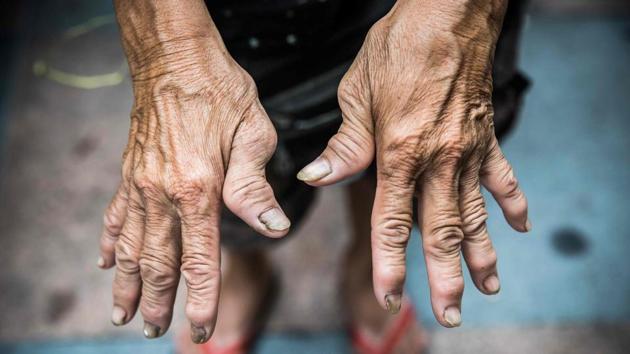
Her fingers are bent from 20 years of collecting cardboard and guiding trolleys loaded with cardboard through the city clogged with traffic and people, but Au Fung-lan says she has no desire to give up this gruelling work. (Issac Lawrence / AFP)
3/9
 View Photos in a new improved layout
Updated on Aug 27, 2018 12:24 PM
A cardboard collector (R) weighs her trolley full of cardboard to determine payment at a recycling depot. These depots then ship it abroad -- up to 95% of it to mainland China in 2016, according to local authorities -- as Hong Kong has no recycling plants of its own. However, as China closes the door to imported rubbish, even from semi-autonomous regions such as Hong Kong, Au’s livelihood is under threat. (Issac Lawrence / AFP)
4/9
 View Photos in a new improved layout
Updated on Aug 27, 2018 12:24 PM
Pragmatic Au tries not to think too much about her work drying up. She continues to put in 14-hour days so she can afford a carer for herself and her 77-year-old husband, also a cardboard collector, when they finally give up work. On people looking down upon her work and questioning why work in old age, Au said, that if she can work, she doesn’t want to rely on anyone. (Issac Lawrence / AFP)
5/9
 View Photos in a new improved layout
Updated on Aug 27, 2018 12:24 PM
Au collects cardboard boxes from a fruit vendor. She turned to cardboard collecting after being laid off as a factory worker and courier. By working from pre-dawn until dusk, she earns up to HK$300 (around $38) daily, selling 300kgs of cardboard at HK$1 (13 US cents) per kg, much higher than the average HK$47.30 a day, according to concern group Waste Pickers Platform (WPP). (Issac Lawrence / AFP)
6/9
 View Photos in a new improved layout
Updated on Aug 27, 2018 12:24 PM
Au (bottom L) pushes her trolley through an intersection on her way to a recycling depot. While working she has been hit by a car twice, injuring her shoulders and feet. Her trolley and cardboard have also been confiscated several times by government hygiene inspectors. But she says she enjoys what she calls the freedom of working for herself. (Issac Lawrence / AFP)
7/9
 View Photos in a new improved layout
Updated on Aug 27, 2018 12:24 PM
Au eats breakfast at a cafe in the Kwai Fong district. China’s imminent waste ban could wipe out this informal economy, which NGO workers say is key to some of the city’s elderly. 80% of the collectors are over 60, with the oldest in their 90s. 80% are women and around a third work at least an eight-hour day, according to WPP. (Issac Lawrence / AFP)
8/9
 View Photos in a new improved layout
Updated on Aug 27, 2018 12:24 PM
Au uses a penknife to collapse cardboard boxes before selling them. WPP estimates at least 193 tonnes of waste paper is delivered to recycling depots by the elderly collectors daily. Many are doing it to supplement pensions and savings in a city where the wealth gap is growing -- the cost of living in Hong Kong ranks fourth highest in the world in 2018, according to the Economist Intelligence Unit. (Issac Lawrence / AFP)
9/9
 View Photos in a new improved layout
Updated on Aug 27, 2018 12:24 PM


