
 E-Paper



Photos: In Nicaragua’s unrest, a university turns fortress, refuge
Students at the Autonomous University of Nicaragua in the capital Managua have barricaded on campus, blocking access, saying this is the only place they feel safe from government security forces and armed supporters. The conflict began in mid-April when anti-government protesters were attacked for marching against cuts to social security pensions. Students responded en masse and they have continued blockading streets and marching against the government for more than two months. Over 200 people have also lost their lives in this period.
Updated on: Jul 06, 2018 11:01 AM IST

Share via


Copy link

1/14
 View Photos in a new improved layout
Updated on Jul 06, 2018 11:01 AM
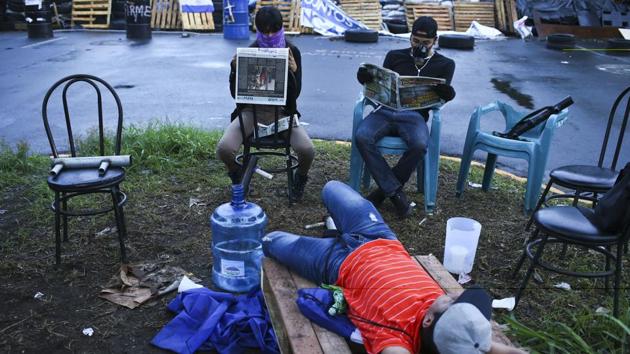
Where they once arranged their lives around a class schedule, students at the Autonomous University of Nicaragua now organize themselves around watch schedules, always keeping an eye on their adversaries: the Nicaraguan government and allied youth groups. (Esteban Felix / AP)
2/14
 View Photos in a new improved layout
Updated on Jul 06, 2018 11:01 AM
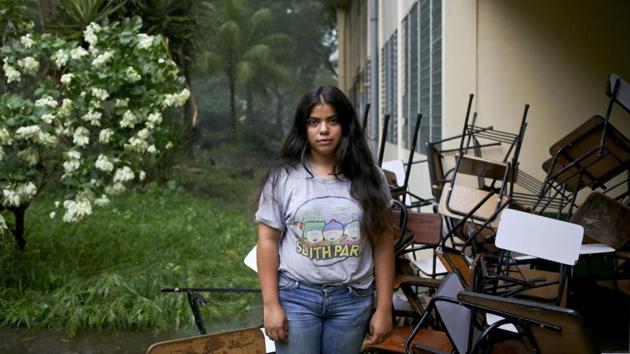
Students like Valeska Sandoval have barricaded themselves inside their school, stacking desks to limit access points to buildings. They say it’s the only place they feel safe and they’ve been joined by students from other schools. (Esteban Felix / AP)
3/14
 View Photos in a new improved layout
Updated on Jul 06, 2018 11:01 AM
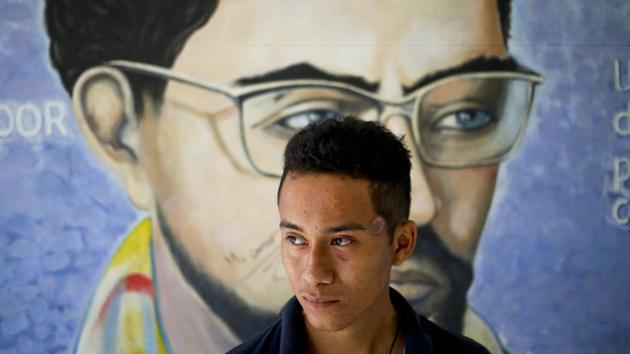
John Cerna poses for a portrait by a mural of Carlos Fonseca, national hero and founder of the Sandinista National Liberation Front. A student from the National Engineering University, he has a scar on his left temple where a bullet grazed him. “We prefer to stay here. We feel safer than in the streets or in our homes where they come to terrorize us, kidnap us or kill us,” Cerna said. (Esteban Felix / AP)
4/14
 View Photos in a new improved layout
Updated on Jul 06, 2018 11:01 AM
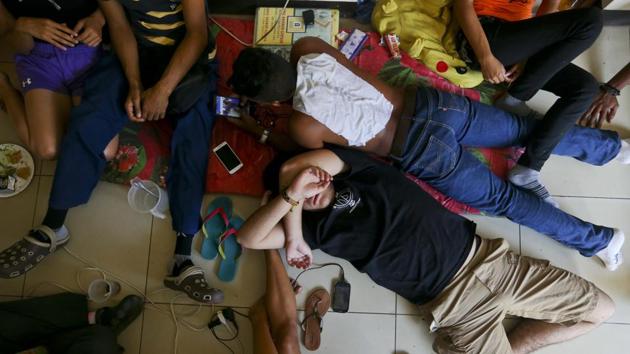
Anti-government students rest inside the university. The conflict began in mid-April when protesters were attacked for marching against cuts to social security pensions. Students responded en masse and have continued blockading streets and marching against the government for more than two months. (Esteban Felix / AP)
5/14
 View Photos in a new improved layout
Updated on Jul 06, 2018 11:01 AM
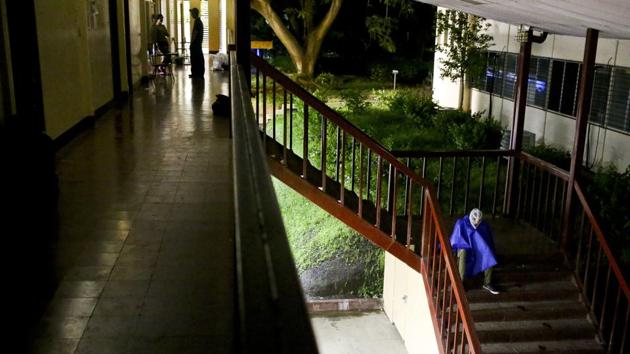
A masked student rests on a stairwell. The students holed up here have masked their identities for protection. The government dismisses them as delinquents and says police have to respond when students disrupt traffic. (Esteban Felix / AP)
6/14
 View Photos in a new improved layout
Updated on Jul 06, 2018 11:01 AM
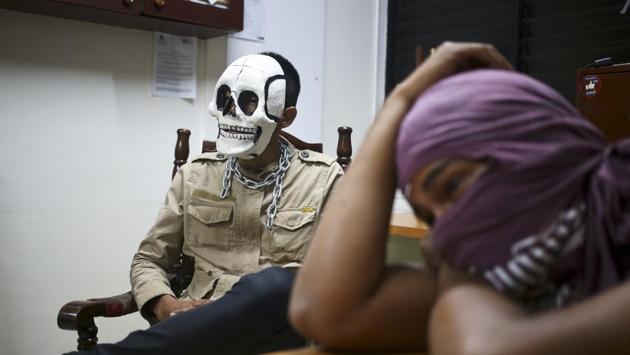
Historically many students, some of them members of President Daniel Ortega’s Sandinista Front, have been supporters of the leftist government. The university, which more than 30,000 students attend, includes revolutionary murals, like the one dedicated to Carlos Fonseca, a founder of the Sandinista Front that toppled the Somoza family dictatorship in 1979. (Esteban Felix / AP)
7/14
 View Photos in a new improved layout
Updated on Jul 06, 2018 11:01 AM
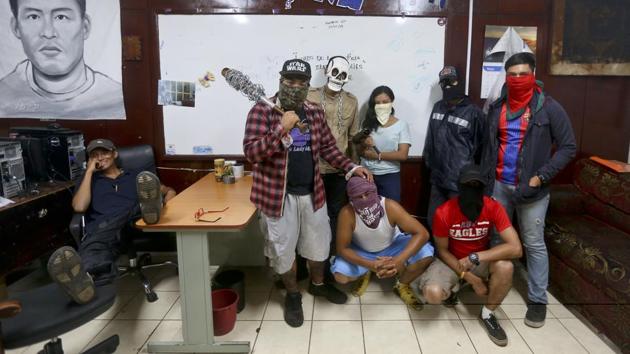
But now many of the same students are calling for Ortega to step down, angry at the violence inflicted on protesters by police and bands of Sandinista Youth that attack demonstrations in an effort to intimidate and break them up. (Esteban Felix / AP)
8/14
 View Photos in a new improved layout
Updated on Jul 06, 2018 11:01 AM
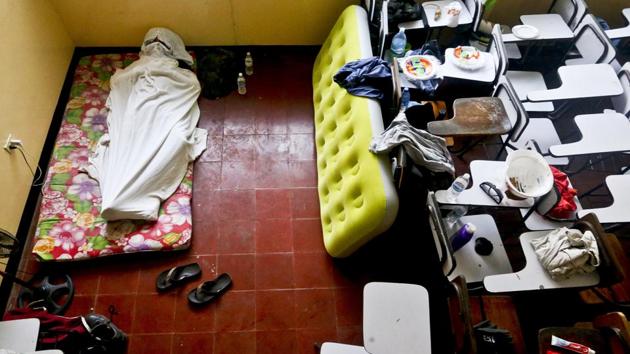
A university student sleeps inside a classroom at the Autonomous University of Nicaragua. Human rights organizations have tallied at least 250 deaths — the majority of them demonstrators but also some bystanders — since street protests began in mid-April in the capital and other cities across Nicaragua. (Esteban Felix / AP)
9/14
 View Photos in a new improved layout
Updated on Jul 06, 2018 11:01 AM
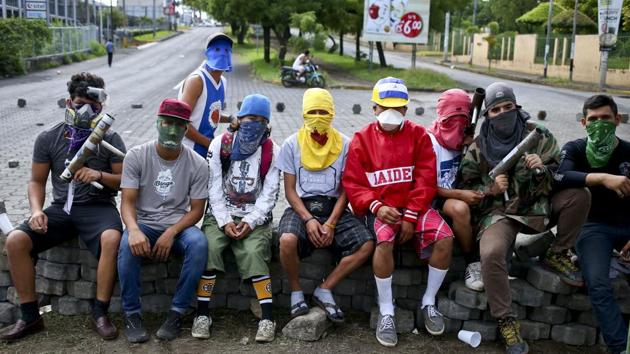
In some neighbourhoods, students created brick and concrete barricades to keep out riot police and pro-government forces who have used tear gas, rubber bullets and even live ammunition to attack protesters. (Esteban Felix / AP)
10/14
 View Photos in a new improved layout
Updated on Jul 06, 2018 11:01 AM
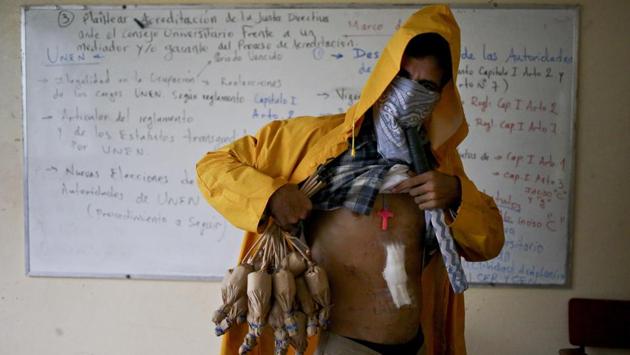
A university student hiding his identity shows a wound he says he got when he was shot by government security forces during a protest, inside the Autonomous University of Nicaragua. The brown paper packages hanging from his hand are homemade explosives. (Esteban Felix / AP)
11/14
 View Photos in a new improved layout
Updated on Jul 06, 2018 11:01 AM
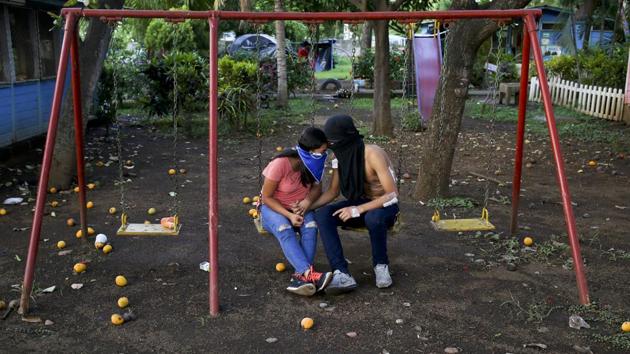
University students share a moment on a swing set inside the university. From the outside, the university looks like a fortress with approaching streets sprinkled with metal spikes to puncture tires. (Esteban Felix / AP)
12/14
 View Photos in a new improved layout
Updated on Jul 06, 2018 11:01 AM
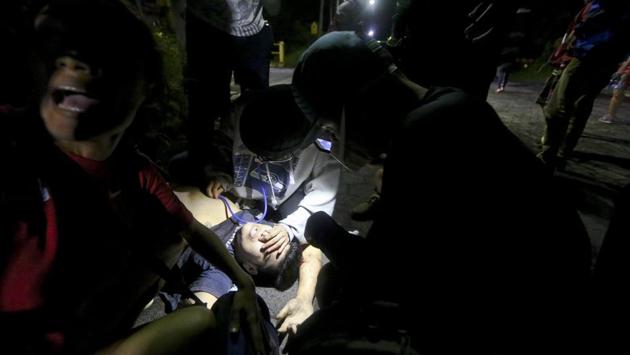
Such measures are meant to fend off raids like one on June 7 when armed pro-government youths rushed the building. Shots rang out and students ran to a barricade where they found 19-year-old Chester Chavarria wounded by gunfire. (Esteban Felix / AP)
13/14
 View Photos in a new improved layout
Updated on Jul 06, 2018 11:01 AM
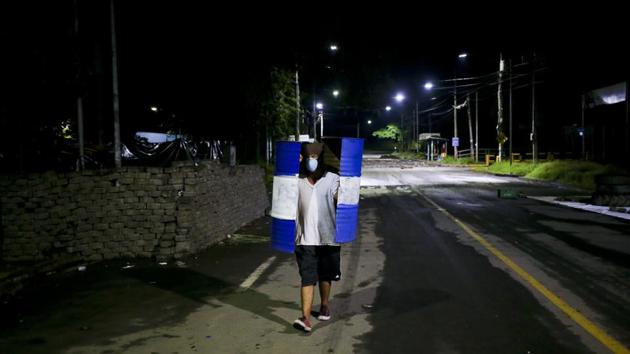
A student walks outside the school carrying a metal trash barrel, cut in half and used as a shield. An ambulance arrived, but students sent it away because they did not trust that he would receive care at a public hospital and feared it might carry attackers. Students took Chavarria to a private hospital where he later died. (Esteban Felix / AP)
14/14
 View Photos in a new improved layout
Updated on Jul 06, 2018 11:01 AM


