
 E-Paper



Photos: Iran seeks global recognition for its prized saffron
Iran says more than 90% of the world's saffron grows from the hard soil in the country’s northeastern Khorasan province, eventually finding its way into Spanish paellas, Indian curries, Swedish saffron buns and much more. But poor marketing means Iran has not always won the credit it deserves as the home of saffron, having mostly exported it wholesale to other countries who label it as their own. The government is now working with local businesses and farmers to fix the problem.
Updated on: Nov 29, 2018 5:14 PM IST

Share via


Copy link

1/13
 View Photos in a new improved layout
Updated on Nov 29, 2018 5:14 PM
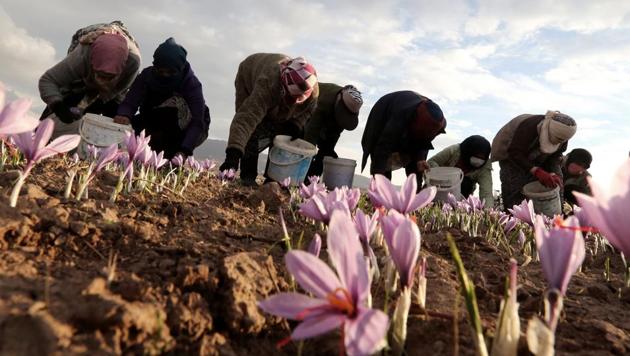
Iranian women pluck saffron flowers at a field in Khorasan province. The labourers edged their way across a field of bright purple flowers gathering up the world’s most expensive spice, a bounty that makes this dusty corner of Iran a crucial part of global cuisine. (Atta Kenare / AFP)
2/13
 View Photos in a new improved layout
Updated on Nov 29, 2018 5:14 PM
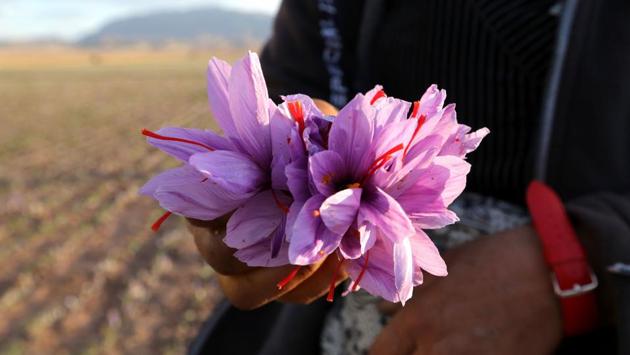
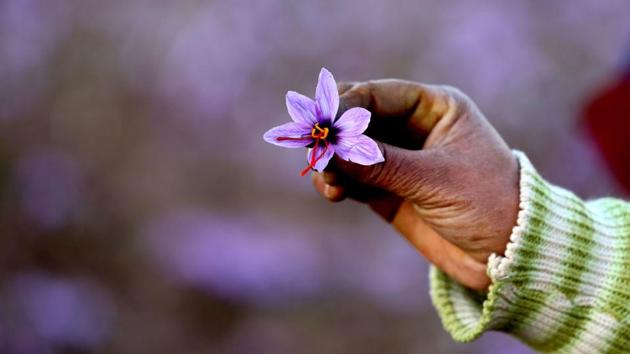
The delicate purple leaves of the Crocus sativus plant hold just three or four of the even more delicate red stamen, better known as saffron, that sprouts for just 10 days a year. These tiny filaments are currently selling in local markets for 90 million rials per kilo -- about $700 on Iran’s volatile exchanges -- and perhaps four times higher abroad. (Atta Kenare / AFP)
3/13
 View Photos in a new improved layout
Updated on Nov 29, 2018 5:14 PM
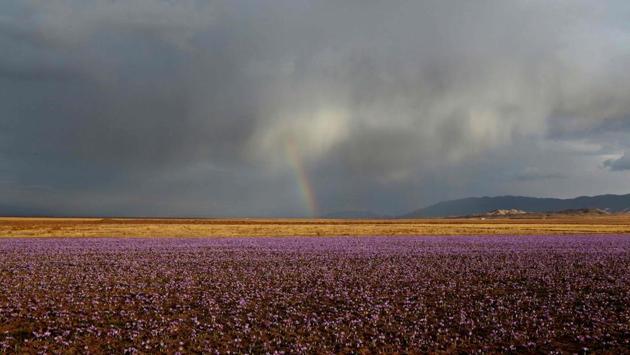
Iran says more than 90% of the world’s saffron grows from the hard soil, here in the Khorasan province -- a figure corroborated by France’s specialist institute of agriculture and fishing FranceAgriMer -- eventually finding its way into Spanish paellas, Indian curries, Swedish saffron buns and much more. (Atta Kenare / AFP)
4/13
 View Photos in a new improved layout
Updated on Nov 29, 2018 5:14 PM
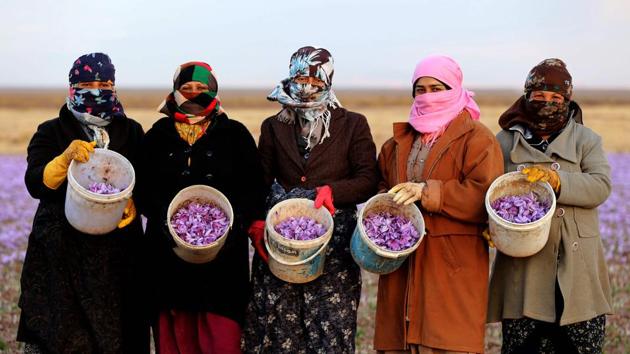
India is a distant second, followed by Greece, Morocco, Azerbaijan, Afghanistan and Spain, according to a FranceAgriMer report in 2013. The star producer in Iran is the small town of Torbat-e Heydariyeh, about 700 kilometres east of Teheran -- which accounts for a third of global production. (Atta Kenare / AFP)
5/13
 View Photos in a new improved layout
Updated on Nov 29, 2018 5:14 PM
But poor marketing means Iran has not always won the credit it deserves as the home of saffron, having mostly exported it wholesale to other countries who label it as their own. “All the cultivation is done here, but the marketing and sales is done elsewhere,” local parliament member Saeid Bastani told AFP. (Atta Kenare / AFP)
6/13
 View Photos in a new improved layout
Updated on Nov 29, 2018 5:14 PM
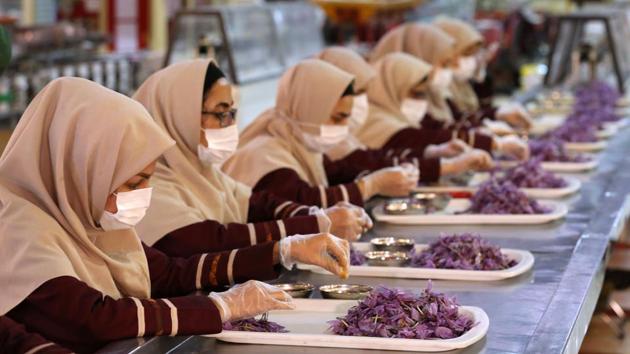
Iranian workers sort and clean saffron flowers. “The people of the world should know that all saffron -- of any brand in any market in the world -- is Iranian whether it says Spain, Italy or Switzerland,” he added with just a sprinkle of patriotic exaggeration. The government is working with local businesses and farmers to fix the problem. (Atta Kenare / AFP)
7/13
 View Photos in a new improved layout
Updated on Nov 29, 2018 5:14 PM
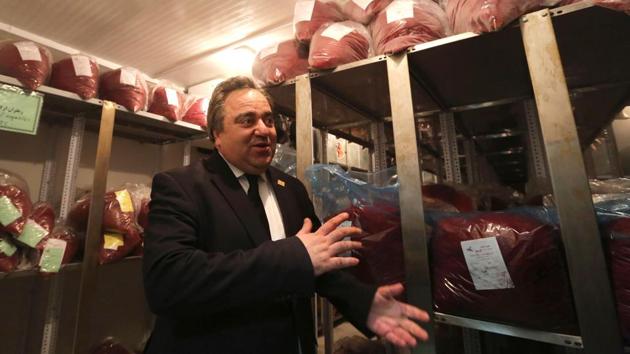
From this swish new factory on the outskirts of Mashhad, Ali Shariati, CEO of Novin Saffron, sends out around 15 tonnes of high-grade saffron to world markets each year and is spearheading “Made in Iran” efforts. “We have to keep innovating and adapting so we can compete with the marketing in other countries,” Shariati said. (Atta Kenare / AFP)
8/13
 View Photos in a new improved layout
Updated on Nov 29, 2018 5:14 PM
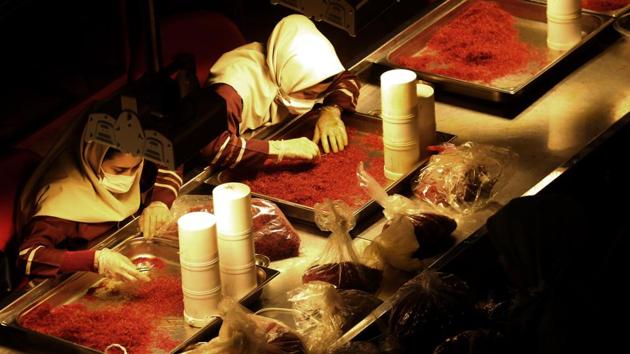
It’s tricky because the major markets each have their own saffron needs that require specific packaging and branding -- Spain wants powder for paella, Britain likes entire threads for Indian cuisine, Sweden likes tiny capsules for seasonal saffron treats. (Atta Kenare / AFP)
9/13
 View Photos in a new improved layout
Updated on Nov 29, 2018 5:14 PM
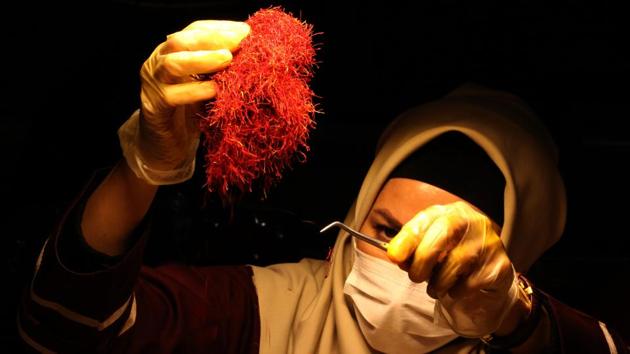
A worker sorts and cleans saffron filaments. Other issues are forcing innovation on the industry -- most pressingly, the drought that has hit Iran’s dry regions for the past two decades. Saffron requires much less water than other crops, but the drought is still causing a migration northwards. (Atta Kenare / AFP)
10/13
 View Photos in a new improved layout
Updated on Nov 29, 2018 5:14 PM
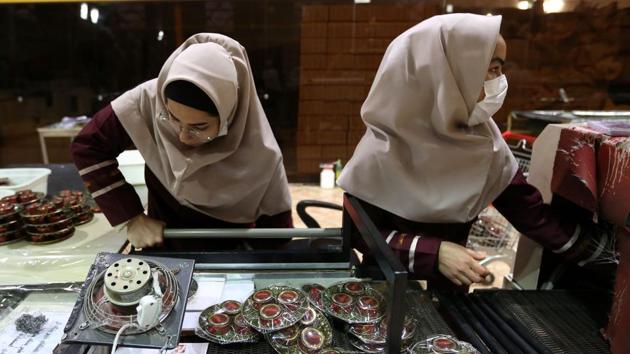
Novin Saffron workers pack filaments. At his factory, Shariati said the problem is easily solvable with better education and support for villagers, which could boost Iran’s production from 400 to 1,000 tonnes per year. The biggest issue for farmers, he recognised, was navigating Iran’s banking sector –notoriously reluctant to lend to small businesses. (Atta Kenare / AFP)
11/13
 View Photos in a new improved layout
Updated on Nov 29, 2018 5:14 PM
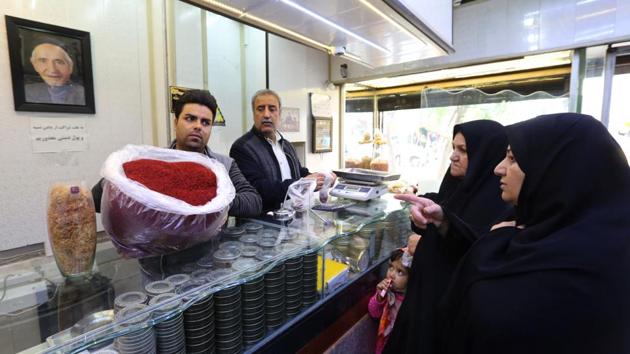
Iranians buy saffron at a shop in Khorasan province. Under a new “fair trade” scheme Shariati’s firm now organises loans on farmers’ behalf, bulk-buys equipment, and educates them on farming techniques. “We want them to deliver more organic saffron and improve their lives at the same time,” he said. (Atta Kenare / AFP)
12/13
 View Photos in a new improved layout
Updated on Nov 29, 2018 5:14 PM
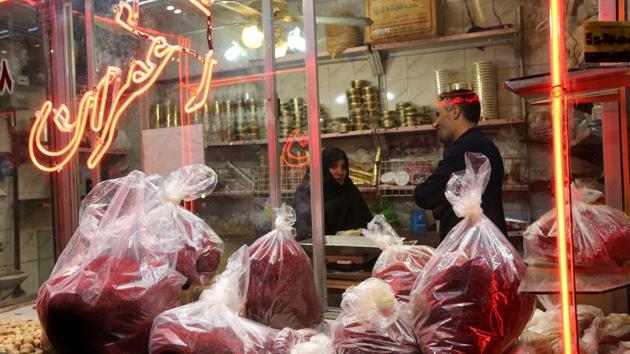
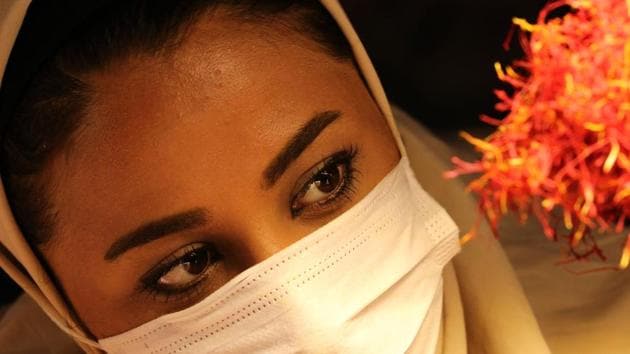
The other obstacle is Iran’s economy, which has lately seen wild fluctuations in the currency, in part due to US sanctions. “The price of bulbs, fertiliser and labourers have all trebled this year, but the price of saffron has only doubled,” said Mohamad Jafari, whose family has been selling saffron in Torbat-e Heydariyeh for half a century. That is good for exports, but another blow for Iranians hit by soaring prices. (Atta Kenare / AFP)
13/13
 View Photos in a new improved layout
Updated on Nov 29, 2018 5:14 PM


