
 E-Paper



Photos: Portrait of a Beirut locality in mourning after the blast
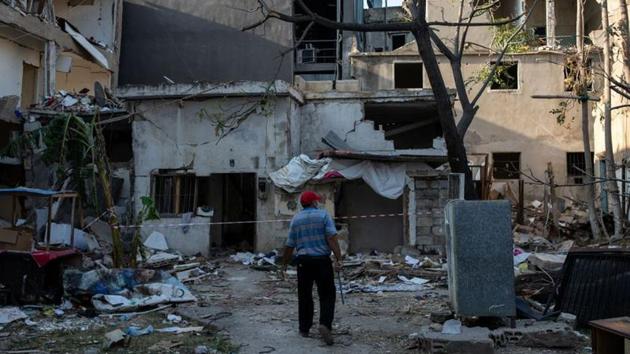
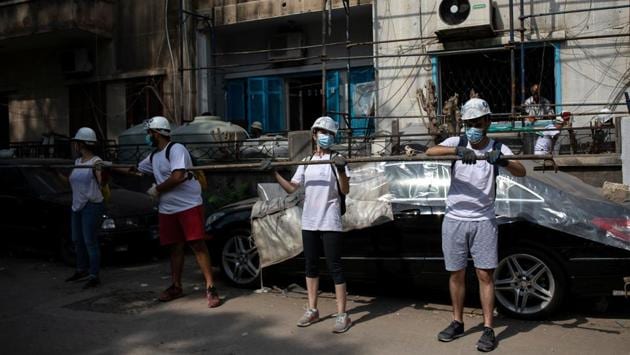
Karantina, a neglected neighborhood in the Lebanese capital near the Beirut port is still reeling in the aftermath of the massive explosion that rattled the city almost a fortnight ago. Residents here are struggling to start afresh, bogged by a lack of financial aid, the loss of family and a sense of belonging of what the neighborhood stood for. Syrian refugee families and migrant workers that dominantly lived in this area have lost their lives’ savings as an aftermath of the explosion. They now look towards an army of young volunteers who have flocked to help from across the country with scant hope of official help in already turbulent times.
Updated on: Aug 17, 2020 3:57 PM IST


Share via


Copy link

1/8
 View Photos in a new improved layout
Updated on Aug 17, 2020 3:57 PM
A man looks at the remains of his house that was damaged in the explosion at the Beirut port in the city’ s Karantina neighbourhood on August 12. Residents in this neglected neighbourhood in the Lebanese capital are still reeling from the explosion on August 4 that flattened homes and killed many neighbours who felt like family, Reuters reported. (Alkis Konstantinidis / REUTERS)
2/8
 View Photos in a new improved layout
Updated on Aug 17, 2020 3:57 PM
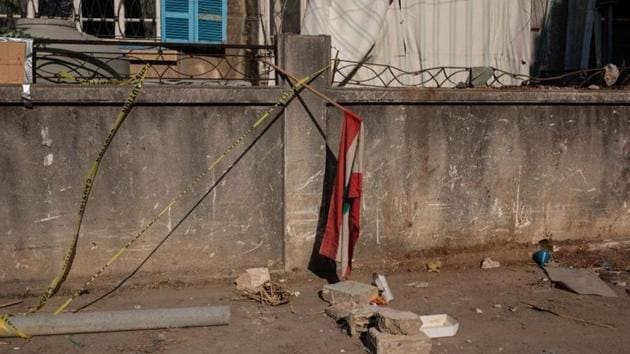
A Lebanese flag hangs outside what remains of a building after the explosion at Karantina in Beirut on August 12. Residents here are struggling to start afresh for lack of financial aid, loss of family and a sense of belonging that the neighbourhood stood for. (Alkis Konstantinidis / REUTERS)
3/8
 View Photos in a new improved layout
Updated on Aug 17, 2020 3:57 PM
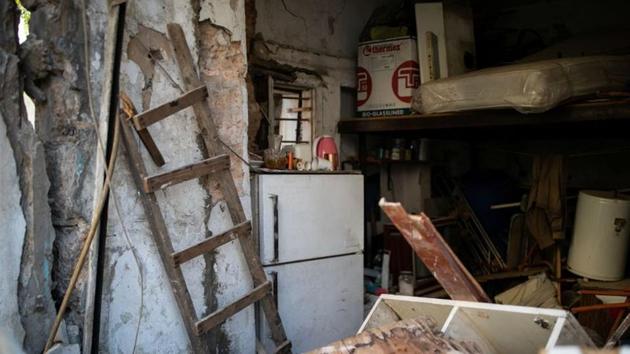
The remains of a house that was damaged by the explosion at the Beirut port, stands in Karantina on August 12. The warehouse explosion killed at least 172 people, wounded thousands and ravaged entire districts. It shattered walls and ripped out balconies in Karantina. (Alkis Konstantinidis / REUTERS)
4/8
 View Photos in a new improved layout
Updated on Aug 17, 2020 3:57 PM
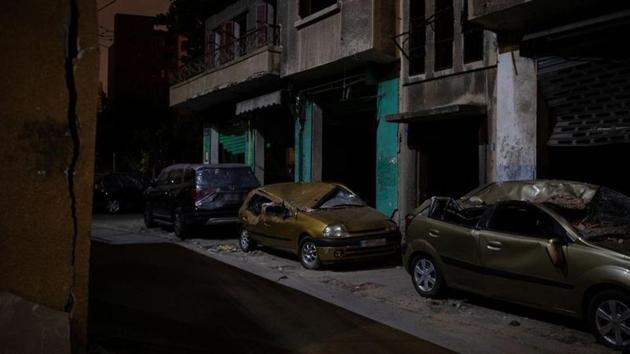
Damaged cars lined up on the side of a road at Karantina on August 12. The cluster of streets, with a slaughterhouse and a waste plant, saw one of the bloodiest massacres of Lebanon’s 1975-1990 civil war. Residents told Reuters that the blast did more damage in a few seconds than 15 years of war could manage. (Alkis Konstantinidis / REUTERS)
5/8
 View Photos in a new improved layout
Updated on Aug 17, 2020 3:57 PM
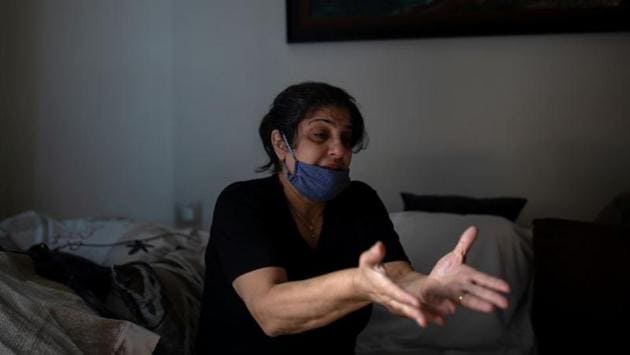
Souad Matar talks to Reuters as she sits in the living room of her home that was damaged in the neighbourhood of Karantina on August 13. “Every time I come back home, I relive that moment. I remember how my daughter fell and I cry,” said Matar, whose mother had died from cancer just days before. “I didn’t even have time to mourn her,” she said. (Alkis Konstantinidis / REUTERS)
6/8
 View Photos in a new improved layout
Updated on Aug 17, 2020 3:57 PM
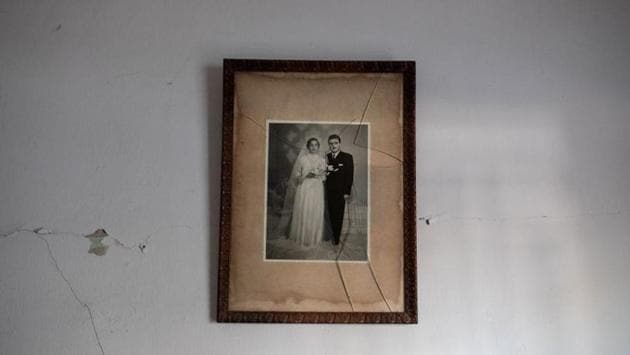
A framed photograph from a wedding hangs in a damaged house at Karantina on August 12. With the wreckage at their doorstep once more after the civil war, families who have spent decades in Karantina are camping in their apartments. They sleep on the floor or on ripped couches, without doors or windows, unsure of how to go on. (Alkis Konstantinidis / REUTERS)
7/8
 View Photos in a new improved layout
Updated on Aug 17, 2020 3:57 PM
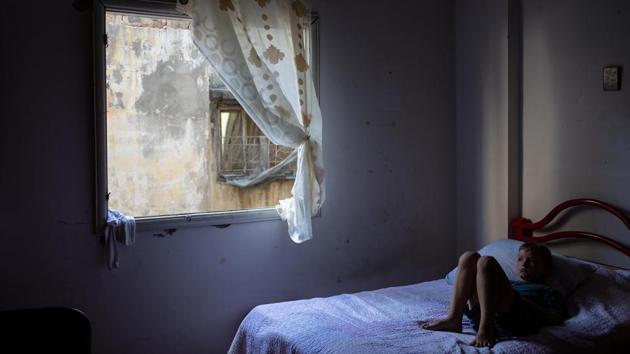
Elie Batrouni, 9, lies on a bed next to a window in his home that was damaged in the explosion, in Karantina on August 13. Batrouni’s mother found Elie, crouched down, yelling “I don’t want to die, I don’t want to die” when the explosion happened. “Now if I just clap, he gets startled and bursts into tears,” his mother said. (Alkis Konstantinidis / REUTERS)
8/8
 View Photos in a new improved layout
Updated on Aug 17, 2020 3:57 PM


