
 E-Paper



Photos: South Africa’s sacred salt spices up top cuisines
Hand-harvested from the banks of a remote river in northwestern South Africa, Baleni salt is developing a growing culinary following. The salt is believed to be sanctified by the spirits of their ancestors, for the crystals come from the water of a holy spring said to have healing powers. After processing this salt, the local women sell it in bulk which is later used in top-end restaurants.
Updated on: Nov 10, 2019 5:24 PM IST


Share via


Copy link

1/10
 View Photos in a new improved layout
Updated on Nov 10, 2019 5:24 PM
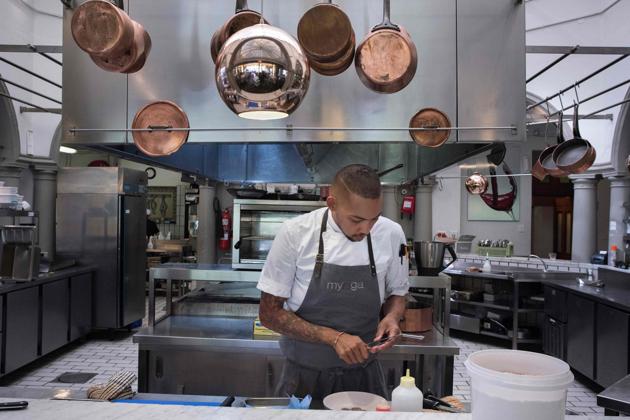
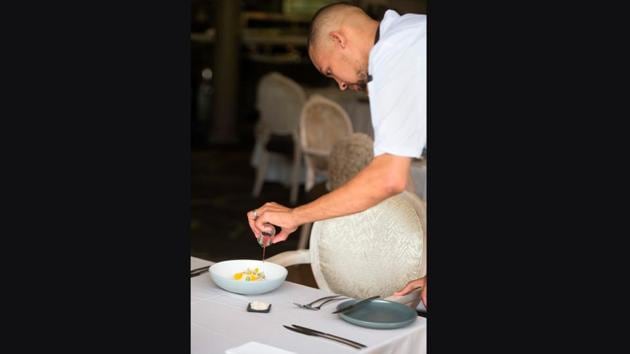
Germaine Esau, Chef de cuisine at the Myoga fine-dining restaurant, uses Baleni salt to prepare a dish of seared tuna, preserved plum Eugenia berries, shiso, radish and macadamia in Cape Town. “It’s like nothing you’ve tasted before,” he says. “It brings all the flavours out and just lifts everything,” he adds. (Michele Spatari / AFP)
2/10
 View Photos in a new improved layout
Updated on Nov 10, 2019 5:24 PM
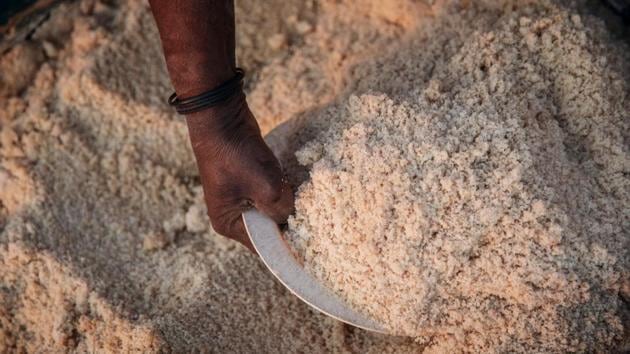
Ndaheni Mashele, 66, collects salt on the bank of the Klein Letaba River near Baleni, in the South African province of Limpopo. Hand-harvested from the banks of a remote river in northwestern South Africa, Baleni salt is developing a growing culinary following, as much for its unique taste as its back story. The salt, say locals, is sanctified by the spirits of their ancestors, for the crystals come from the water of a holy spring said to have healing powers. (Michele Spatari / AFP)
3/10
 View Photos in a new improved layout
Updated on Nov 10, 2019 5:24 PM
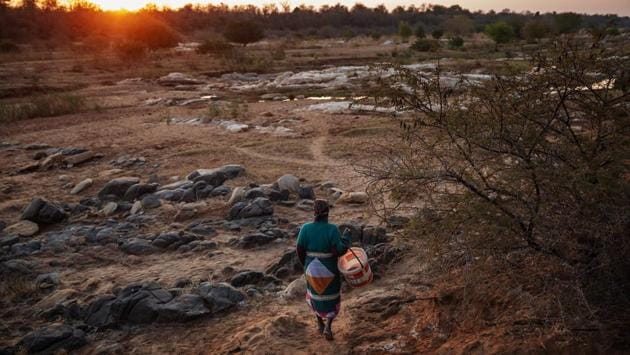
Phephu Mchavi, 62, walks in to the riverbank of the Klein Letaba River near Baleni. The harvesting is done only by women, who often camp in the dry river bed for weeks to make the most of the dry season before the spring rains fall. “The sulphate water from the hot spring flows... the heat from the sun dries it, then we have this sort of salt there,” local guide Thinashaka Tshivhase said. (Michele Spatari / AFP)
4/10
 View Photos in a new improved layout
Updated on Nov 10, 2019 5:24 PM
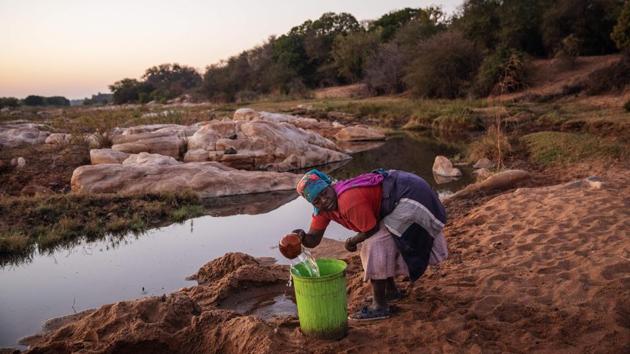
Ndaheni Mashele, 66, collects water from riverbank of the Klein Letaba River. According to Eleanor Muller, who heads a non-profit organisation Transfrontier Parks Destinations that helps the harvesters, archaeologists have confirmed that on that exact site, salt has been harvested using the same technique for the last 2,000 years. “The sacred salt has been a central point of importance for traditional healers in South Africa for centuries and still today,” Muller said. (Michele Spatari / AFP)
5/10
 View Photos in a new improved layout
Updated on Nov 10, 2019 5:24 PM
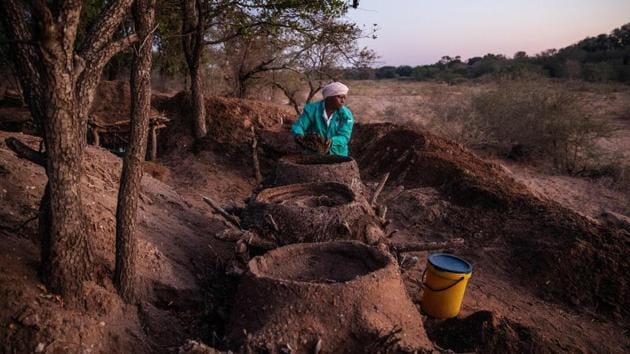
Josephine Macete cleans the mud-made filter used to extract the salt. High in magnesium, chloride and other minerals, the water can treat high blood pressure and aching muscles, according to locals. The sick come and bathe in the spring for healing, while the healthy dip into the spring for good luck and prosperity. (Michele Spatari / AFP)
6/10
 View Photos in a new improved layout
Updated on Nov 10, 2019 5:24 PM
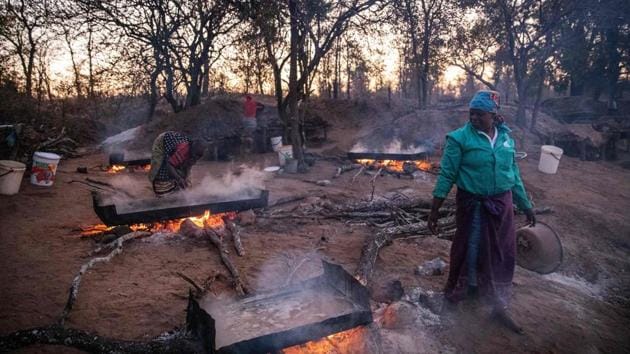
Josephine Macete, 48, oversees salt-rich water boiling on the bank of the Klein Letaba River. Baleni salt is used in numerous luxury restaurants across Cape Town and Johannesburg, where it retails for 125 rand ($8.24, 7.49 euros) per kilo. At the Myoga, Baleni salt became the salt of choice after the restaurant decided to phase out imported products and go for local sources. (Michele Spatari / AFP)
7/10
 View Photos in a new improved layout
Updated on Nov 10, 2019 5:24 PM
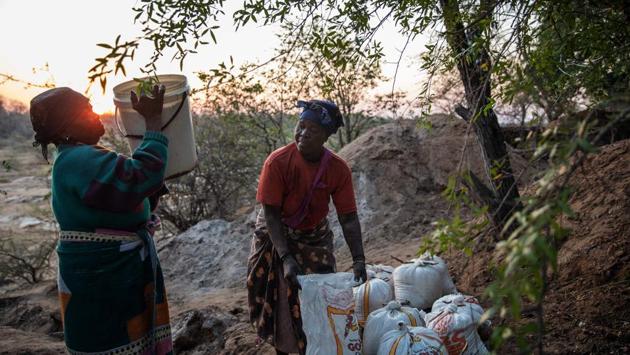
Phephu Mchavi, 62, (L) and Ndaheni Mashele, 66, (R) fill bags with salt. Before they begin their work, the women make offerings of tobacco, coins and mqombothi -- a traditional sorghum malt beer -- at the base of a nearby leadwood tree, to solicit the help of the spirits. “If you don’t start by asking, you stand a chance of not even getting any salt,” warned Ndaheni Mashele another harvester. (Michele Spatari / AFP)
8/10
 View Photos in a new improved layout
Updated on Nov 10, 2019 5:24 PM
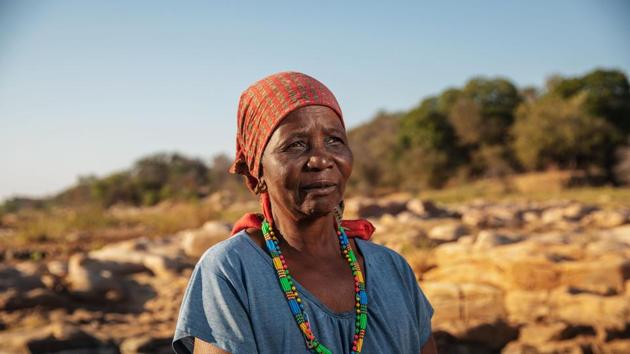
On winter mornings, elderly women from the local Tsonga community reach down to the earth, scraping up soil blanketed by a shiny white, thin crystallised deposit. “This is a sacred place, given to us by our ancestors,” said 73-year-old harvester Emelin Mathebula, teasing salty soil onto a metal plate with a steel rod. (Michele Spatari / AFP)
9/10
 View Photos in a new improved layout
Updated on Nov 10, 2019 5:24 PM
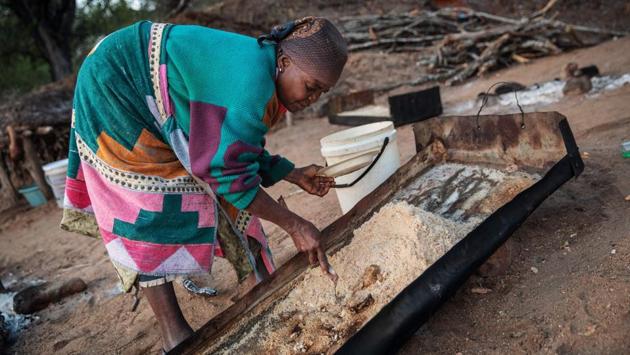
Phephu Mchavi, 62, scratches salt from a metal pan. The concoction of river sand, salty soil and water is filtered up to four times until the colour of the water is almost clear. When the foam hardens, it crystallises, forming the precious salt. The women sell the bulk of it to Muller’s NGO, which then sells it to a company called Oryx, which in turn retails it to top-end restaurants. (Michele Spatari / AFP)
10/10
 View Photos in a new improved layout
Updated on Nov 10, 2019 5:24 PM


