
 E-Paper



Photos: Survivors in Congo recount nightmare of ethnic massacre
A cycle of violence continues between the Hema and Lendu communities in Ituri, cattle herders and farmers who have long fought over land, a conflict that has recently intensified as Democratic Republic of Congo struggles over its future. New conflicts are erupting and old ones are reviving as President Joseph Kabila seeks to maintain his grip on power two years after the legal end of his second term.
Updated on: Mar 09, 2018 9:43 AM IST

Share via


Copy link

1/10
 View Photos in a new improved layout
Updated on Mar 09, 2018 9:43 AM
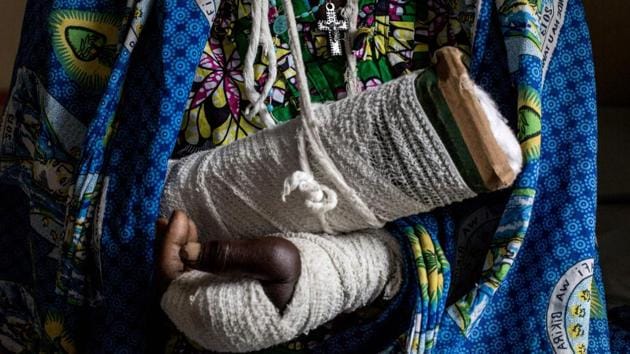
Alphonsime Mojetha, 54, recovers in a hospital room in Bunia, after an attack on her village where she lost her children, and received severe lacerations to her head, arms and hands from a machete attack. The assailants came in waves. First came the ones who killed. Then those who torched homes. And finally, the ones who looted anything of value. Ahead of them, terrorised villagers fled for their lives. (John Wessels / AFP)
2/10
 View Photos in a new improved layout
Updated on Mar 09, 2018 9:43 AM
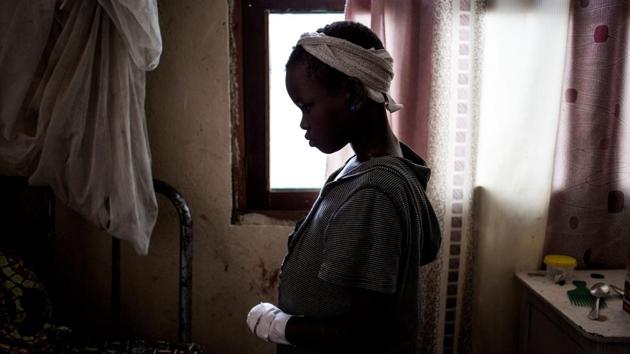
Mace-Grace, 11, recovers in a hospital room after she lost her mother, three siblings and her left hand was cut in an attack. At least 49 people were killed last week, bringing the death toll since December to more than 100, while 200,000 people have fled homes, according to estimates by humanitarian workers. Many of them are women, frequently targeted for sexual assault, and children. (John Wessels / AFP)
3/10
 View Photos in a new improved layout
Updated on Mar 09, 2018 9:43 AM
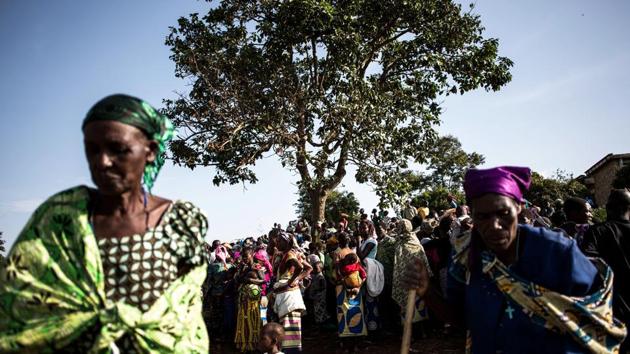
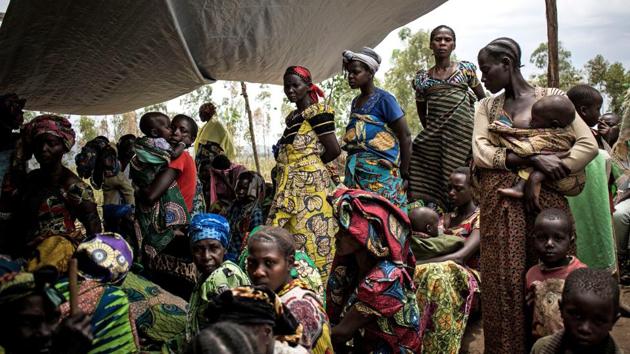
Internally Displaced Congolese wait inside a Internally Displaced Persons (IDP) Camp for a distribution of clothes in Bunia. Most of those displaced are living with host families. About 2,000 are holed up in tents around the regional hospital -- six toilets and four showers are currently available for them, and more are being built. (John Wessels / AFP)
4/10
 View Photos in a new improved layout
Updated on Mar 09, 2018 9:43 AM
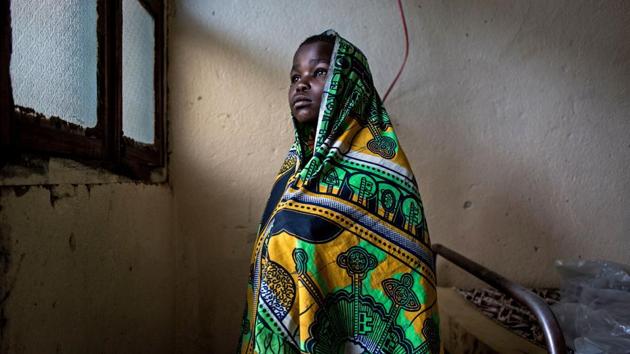
Paulette Buye, 12, was struck in the neck by a machete. Buye, her mother and brother, who suffered machete lacerations to the leg, hid in bushes for three nights before reaching Bunia. Doctors without Borders (MSF) last week said that in the previous month, around 40,000 people had fled across Lake Albert to neighbouring Uganda and 20,000 to Bunia, the capital of Ituri. (John Wessels / AFP)
5/10
 View Photos in a new improved layout
Updated on Mar 09, 2018 9:43 AM
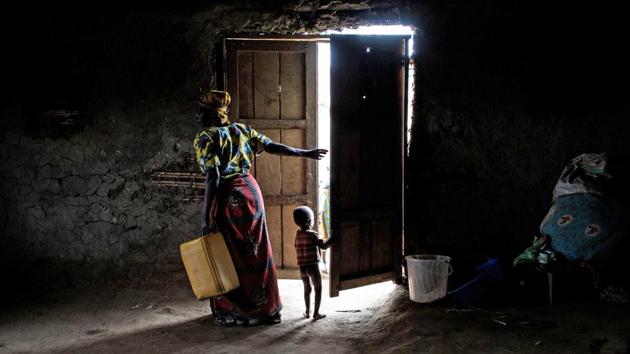
Dirty children, barefoot and clad in dusty rags, wander around the camp. Aid workers are deeply worried about food -- some children are clearly malnourished. “Every day, we need on average 500 kilogrammes of rice, 300 kilos of beans and 40 litres of oil to provide just one hot meal per person,” said Pastor Ignace Bingi, a coordinator with a local NGO, Lasi. (John Wessels / AFP)
6/10
 View Photos in a new improved layout
Updated on Mar 09, 2018 9:43 AM
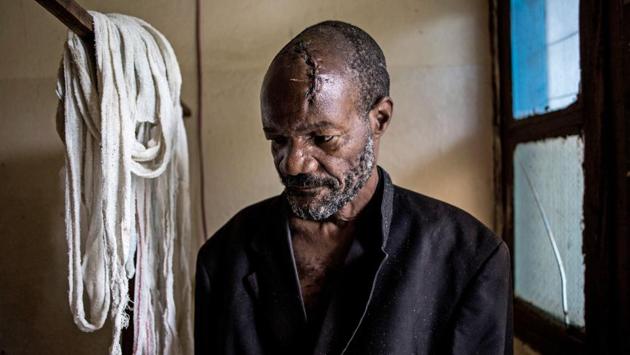
Bawma Yoame, 56, recovers after an attack left him severely wounded with multiple lacerations to his head. Hema and Lendu groups have a long history of violence but in the late 90s and early 2000s their fight became a broader, brutal battle stoked by Rwanda and Uganda, eager to seize gold, diamond and timber along with influence in a wider war that played out in DR Congo. (John Wessels / AFP)
7/10
 View Photos in a new improved layout
Updated on Mar 09, 2018 9:43 AM
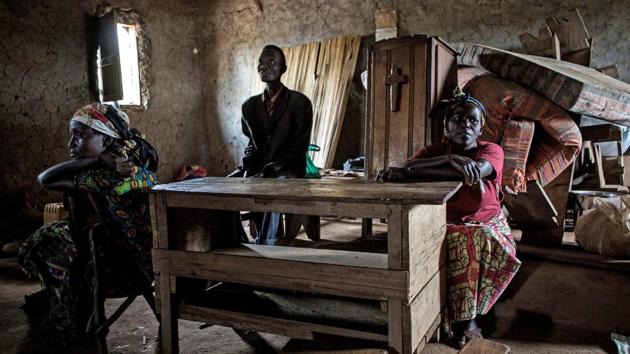
Internally Displaced Congolese sit inside a church being used as a shelter in Telega. At Lake Albert, the misery is complete. People fleeing violence are crossing by canoe -- a trip that takes between six and 10 hours and is filled with danger. Some have drowned, witnesses say. (John Wessels / AFP)
8/10
 View Photos in a new improved layout
Updated on Mar 09, 2018 9:43 AM
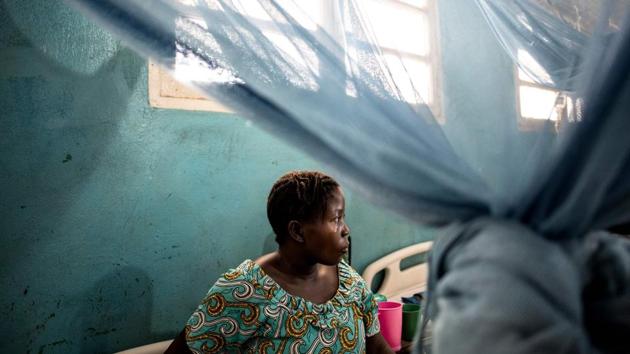
Denise Borive, 31 recovers from an emergency caesarian at a hospital in Bunia. After hearing about an inevitable attack on her village, nine-month pregnant Borive fled on foot with her mother and children. The Bigo medical centre is struggling with the human influx. The facility has treated 1,900 displaced people since February 9, including 450 pregnant women, 20 of whom have given birth. (John Wessels / AFP)
9/10
 View Photos in a new improved layout
Updated on Mar 09, 2018 9:43 AM
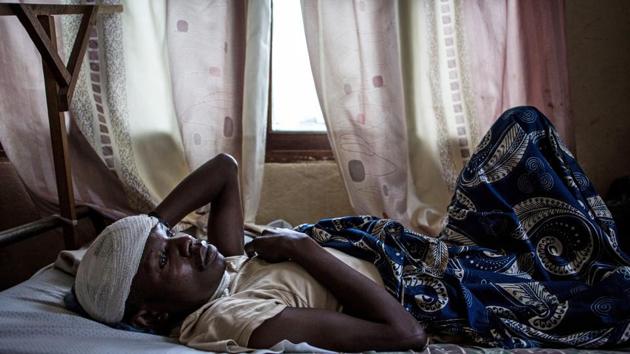
Myime - Richards, 32, recovers after losing his wife, three of his four children and suffering lacerations to his head and neck after an attack on his village. UNICEF on February 23 said it had identified 70 unaccompanied children and 245 children who had been separated from their parents and who “need urgent help” at the hospital site. (John Wessels / AFP)
10/10
 View Photos in a new improved layout
Updated on Mar 09, 2018 9:43 AM


