
 E-Paper



Photos: Tucked in Beijing’s Silicon Valley, an urban village
Migrants from China’s relatively undeveloped southwestern region living in Beijing's Silicon Valley have recreated their village life in the outskirts. But there community will soon have to vacate the place as part of a city wide 'clean-up' campaign led by government.
Updated on: Sep 21, 2017 3:27 PM IST

Share via


Copy link

1/10
 View Photos in a new improved layout
Updated on Sep 21, 2017 3:27 PM
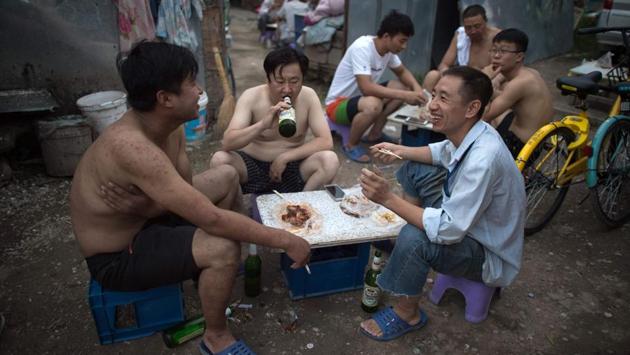
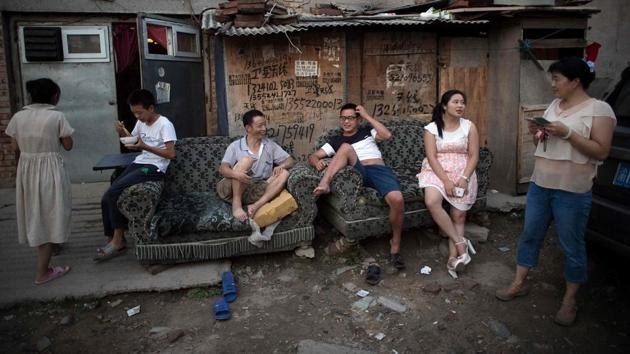
Surrounded by the sleek hi-tech campuses and luxury condominiums of ‘Beijing’s Silicon Valley’, migrants from the countryside recreate village life, cooking in outdoor communal areas, playing cards and showering in the street. But their community’s days are numbered. (Nicolas Asfouri / AFP)
2/10
 View Photos in a new improved layout
Updated on Sep 21, 2017 3:27 PM
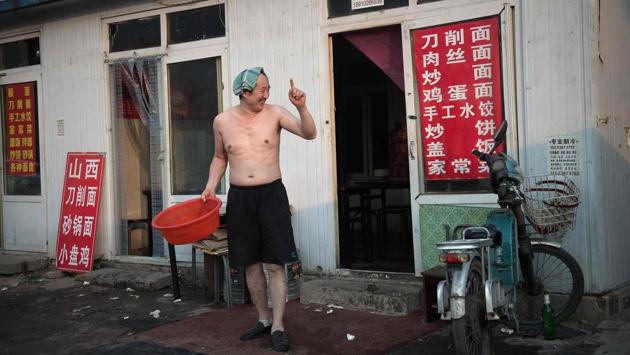
Demolition crews will soon arrive to flatten its alleys packed with dilapidated, one-room dwellings as part of a city-wide ‘clean-up’ campaign. For months, the authorities have bricked up and torn down thousands of shops and homes that are deemed to violate Beijing’s zoning laws as the government seeks to give the capital a facelift and limit the population to 23 million people by 2020. (AFNicolas Asfouri / AFP)
3/10
 View Photos in a new improved layout
Updated on Sep 21, 2017 3:27 PM
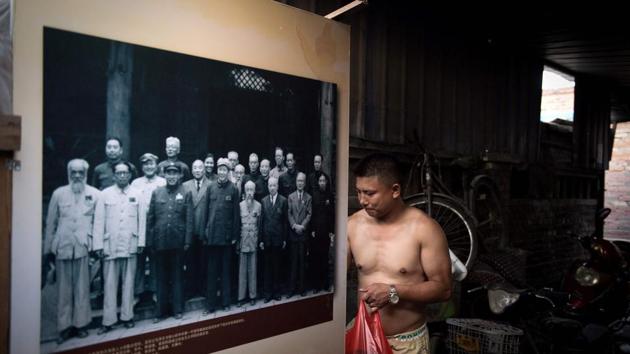
Migrants from China’s relatively undeveloped southwestern region have lived precariously for two decades here in Zhongguancun -- which is also the base of hi-tech companies including Lenovo, Baidu, Tencent and Sohu, which help their own employees from other regions obtain legal rights to live in the capital. (Nicolas Asfouri / AFP)
4/10
 View Photos in a new improved layout
Updated on Sep 21, 2017 3:27 PM
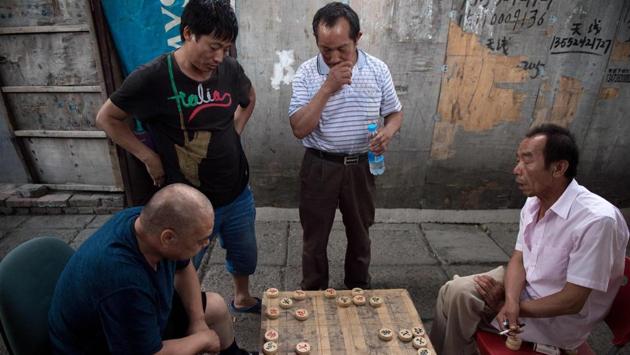
People play Chinese chess on a street in the migrant village on the outskirts of Beijing. China has hundreds of millions of migrants who have moved from the countryside to its towns and cities in recent decades to find work, their labour fuelling the country’s economic boom. (Nicolas Asfouri / AFP)
5/10
 View Photos in a new improved layout
Updated on Sep 21, 2017 3:27 PM
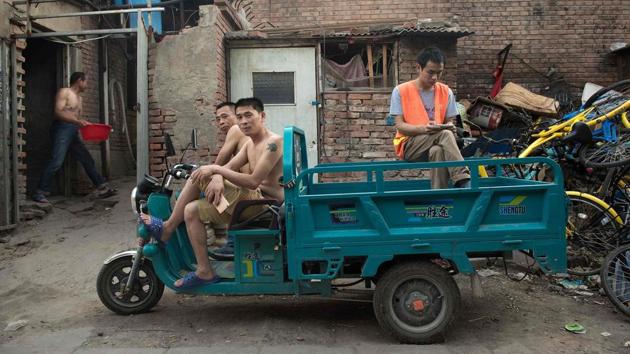
But many remain poorly paid and cannot afford to bring their children -- who would have few rights to school places -- with them, instead leaving them behind to be looked after by relatives. (Nicolas Asfouri / AFP)
6/10
 View Photos in a new improved layout
Updated on Sep 21, 2017 3:27 PM
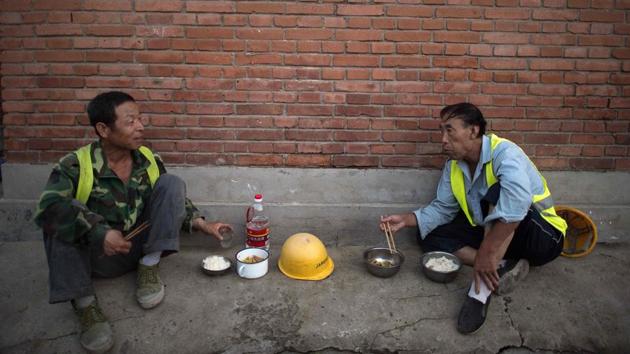
Houchang residents told AFP they only heard about their pending evictions from property managers, and were not told why they are being kicked out. (Nicolas Asfouri / AFP)
7/10
 View Photos in a new improved layout
Updated on Sep 21, 2017 3:27 PM
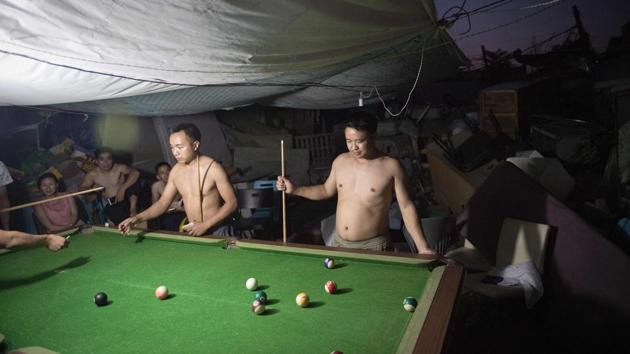
These residents call their adopted home Houchang Cun, which means ‘the village behind the factories,’ but no one knows why it was named that way because there are no factories nearby. Zhongguancun has been a national base for the science and information technology industries since the 1980s. (Nicolas Asfouri / AFP)
8/10
 View Photos in a new improved layout
Updated on Sep 21, 2017 3:27 PM
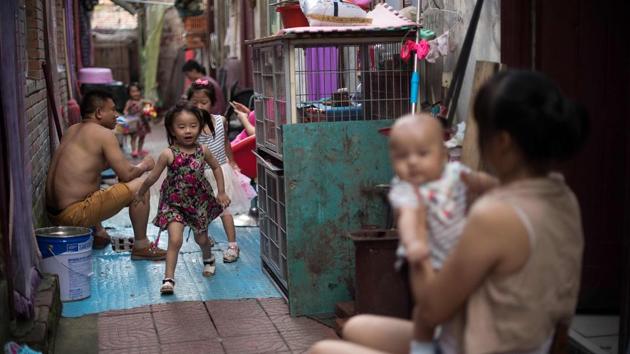
Most homes in Houchang do not have running water or toilets. Public facilities are filthy, but some enterprising residents have built showers by placing plastic barrels on wooden stilts and positioning them over gutters. (Nicolas Asfouri / AFP)
9/10
 View Photos in a new improved layout
Updated on Sep 21, 2017 3:27 PM
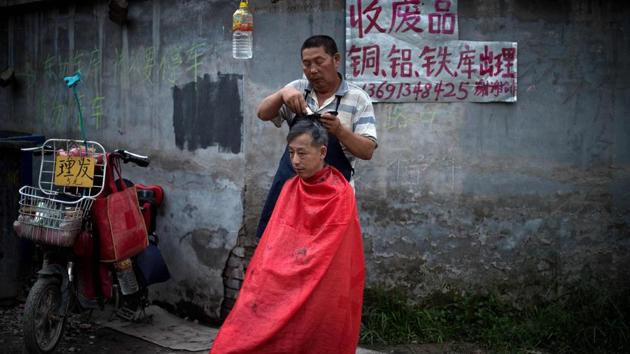
A man gets a haircut on a street in Zhongguancun. ‘Some of us used to make 6,000 yuan a month as Didi (ride-share company) drivers. But the government said migrants can’t drive Didi, so we had to find other work,’ said Yang Qiang. (Nicolas Asfouri / AFP)
10/10
 View Photos in a new improved layout
Updated on Sep 21, 2017 3:27 PM


