
 E-Paper



Tanzanian albino children, hunted for body parts, visit US for medical care
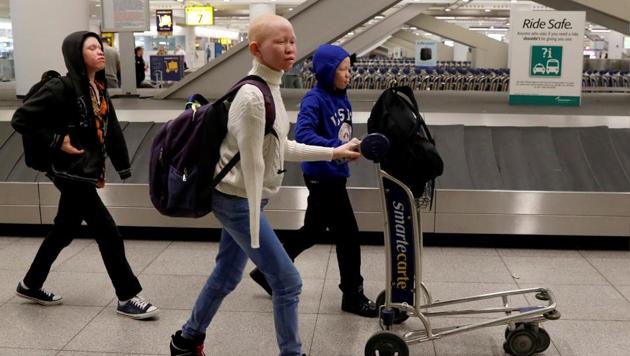
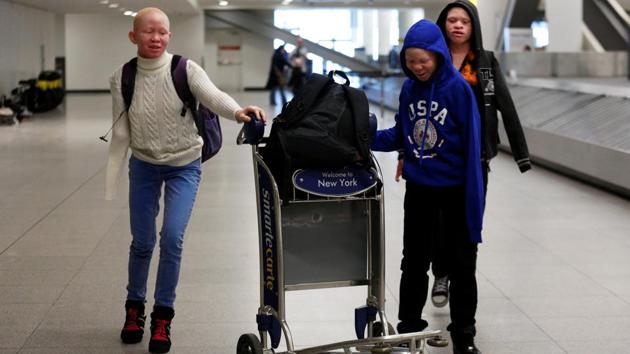
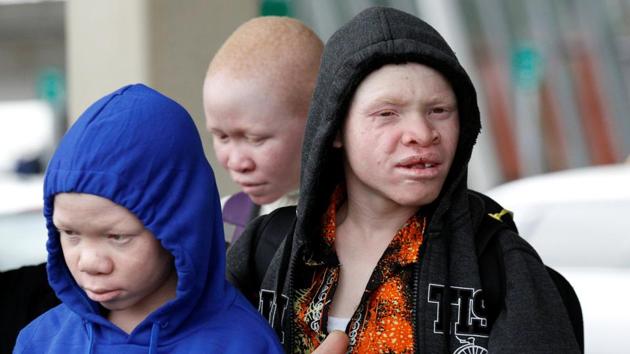
Emmanuel Rutema, Pendo Noni, and Mwigulu Magesa (L to R), Tanzanians with Albinism visiting the U.S. for medical care, walk through JFK International Airport after arriving in New York City, U.S. Four Tanzanian children with albinism, who lost limbs in brutal superstition-driven attacks, arrived in the United States on Saturday for medical treatment and respite from a homeland where they are persecuted and feared. (Brendan McDermid/REUTERS)
Updated on: Mar 26, 2017 2:09 PM IST

Share via


Copy link

1/10
 View Photos in a new improved layout
Updated on Mar 26, 2017 2:09 PM
Emmanuel Rutema, Pendo Noni, and Mwigulu Magesa (L to R), Tanzanians with Albinism visiting the U.S. for medical care, walk through JFK International Airport after arriving in New York City, U.S. Four Tanzanian children with albinism, who lost limbs in brutal superstition-driven attacks, arrived in the United States on Saturday for medical treatment and respite from a homeland where they are persecuted and feared. (Brendan McDermid/REUTERS)
2/10
 View Photos in a new improved layout
Updated on Mar 26, 2017 2:09 PM
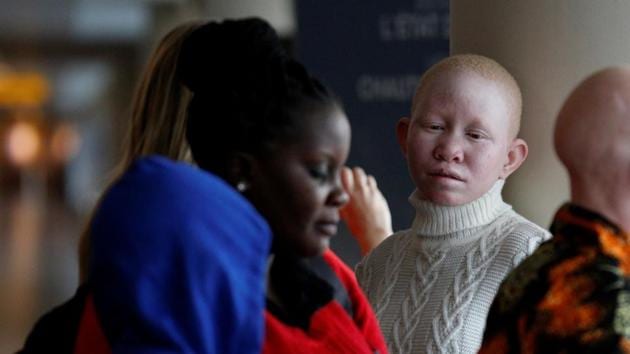
Pendo Noni, a Tanzanian with Albinism. The New York-based GMRF hosts children from around the world who have been injured in conflict or disaster. Many need prosthetics like the children from Tanzania, where people with albinism live in danger. (Brendan McDermid/REUTERS)
3/10
 View Photos in a new improved layout
Updated on Mar 26, 2017 2:09 PM
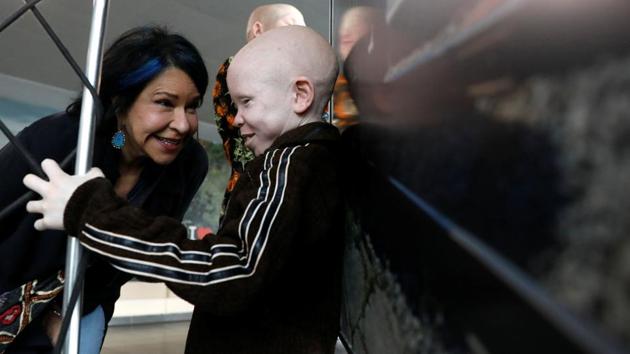
Elissa Montanti, founder of the Global Medical Relief Fund, talks with Baraka Lusambo. Their body parts are highly valued in witchcraft and can fetch a high price. Superstition leads many to believe they are ghosts who bring bad luck. (Brendan McDermid/REUTERS)
4/10
 View Photos in a new improved layout
Updated on Mar 26, 2017 2:09 PM
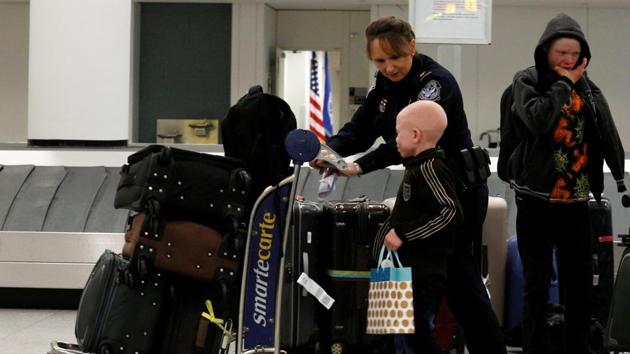
Baraka Lusambo, (R) a Tanzanian with Albinism visiting the U.S. for medical care, is escorted by walks with Teresa Piasecka, a Supervisory CBP officer for U.S. Customs and Border Protection, following his arrival at JFK International Airport in New York City. The children who arrived on Saturday were making a return trip, having outgrown prosthetics they received in the United States with the help of GMRF two years ago. (Brendan McDermid/REUTERS)
5/10
 View Photos in a new improved layout
Updated on Mar 26, 2017 2:09 PM
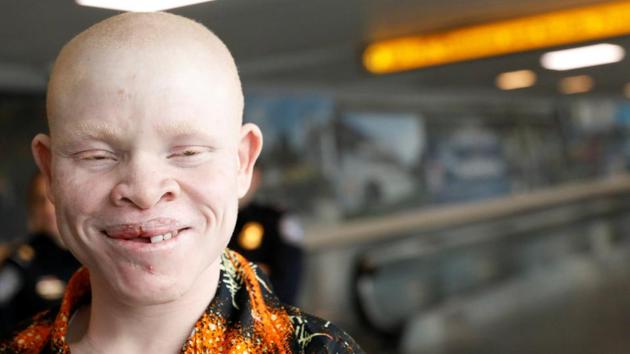
Pendo Noni, Mwigulu Magesa and Emmanuel Rutema, (L-R) Tanzanian's with Albinism visiting the U.S. for medical care, walk through JFK International Airport after arriving in New York City. The oldest boy, 15-year-old Emmanuel Rutema, speaks with difficulty. His attackers chopped off one arm and the fingers of the other and tried to pull out his tongue and teeth. (Brendan McDermid/REUTERS)
6/10
 View Photos in a new improved layout
Updated on Mar 26, 2017 2:09 PM
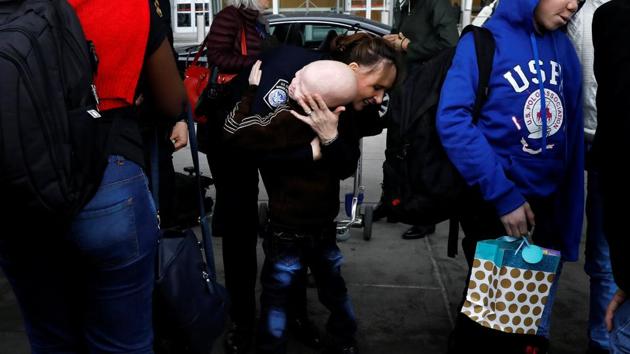
Baraka Lusambo, (R) a Tanzanian with Albinism visiting the U.S. for medical care, thanks Teresa Piasecka, a Supervisory CBP officer for U.S. Customs and Border Protection, following his arrival at JFK International Airport in New York City. The children attend boarding school and live in so-called safe houses in Tanzania. They rarely go out in public because it frightens them, said Rwela, a social worker with Under the Same Sun, a charity that advocates for people with albinism. (Brendan McDermid/REUTERS)
7/10
 View Photos in a new improved layout
Updated on Mar 26, 2017 2:09 PM
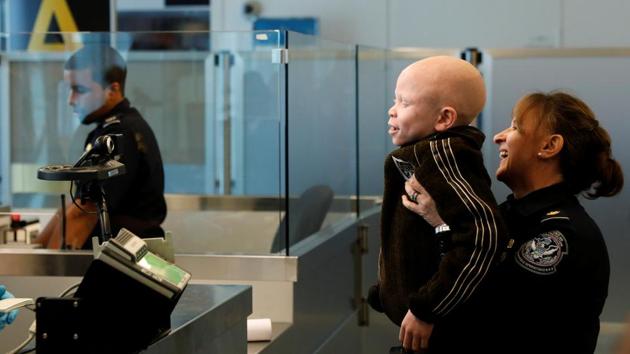
Baraka Lusambo, a Tanzanian with Albinism visiting the U.S. for medical care, is held up by Teresa Piasecka, Supervisory CBP officer for U.S. Customs and Border Protection, as he is cleared at customs following his arrival at JFK International Airport in New York City. The children are expected to stay about two months, getting medical treatment courtesy of the Shriners Hospital in Philadelphia. (Brendan McDermid/REUTERS)
8/10
 View Photos in a new improved layout
Updated on Mar 26, 2017 2:09 PM
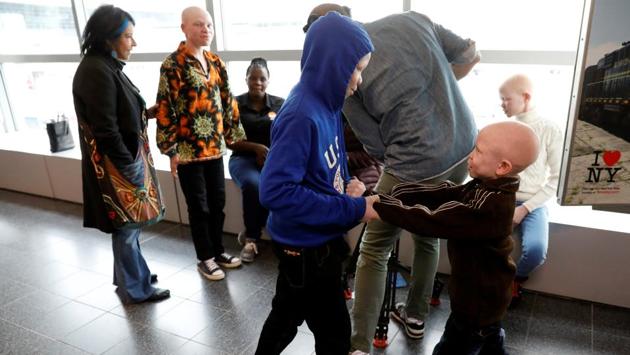
Mwigulu Magesa (front-L) plays with Baraka Lusambo, (R) Tanzanian's with Albinism visiting the U.S. for medical care, after they arrived at JFK International Airport in New York City. Albinism is a congenital disorder affecting about one in 20,000 people worldwide who lack pigment in their skin, hair and eyes. It is more common in sub-Saharan Africa and affects about one Tanzanian in 1,400. (Brendan McDermid/REUTERS)
9/10
 View Photos in a new improved layout
Updated on Mar 26, 2017 2:09 PM
Emmanuel Rutema, a Tanzanian with Albinism visiting the U.S. for medical care, smiles after arriving at JFK International Airport in New York City. United Nations officials estimate at least 75 albinos were killed in the east African nation between 2000 and 2015. (Brendan McDermid/REUTERS)
10/10
 View Photos in a new improved layout
Updated on Mar 26, 2017 2:09 PM


