
 E-Paper



Influenza AH1N1 claims 120 in 2019; state health dept on ‘watch’ mode
For the period from January to March 2019, the state has recorded 1346 positive cases of influenza A H1N1.


The city is seeing extreme weather fluctuations and the state health department has stated that a possible threat of communicable diseases cannot be ruled out. The technical committee for prevention of communicable diseases has forecast a threat of influenza A H1N1, dengue, chikungunya and measles. The committee has made the observations based on the comparative data available from January to July in 2018 and the first three months of 2019.
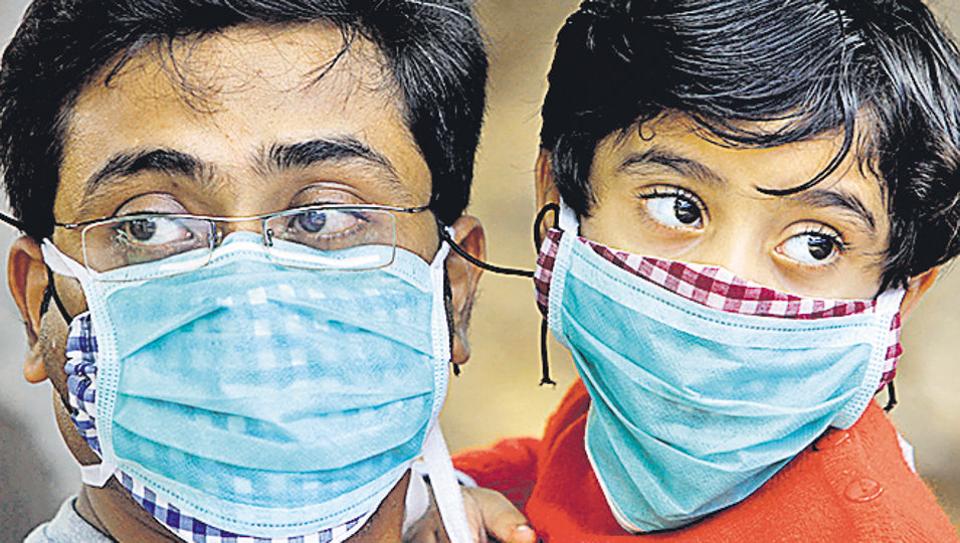
According to the committee, the number of cases of influenza A H1N1 from January to July 2018 was 41 and the deaths recorded were 10 due to influenza A h1n1 virus. For the period from January to March 2019, the state has recorded 120 deaths and 1346 positive cases of influenza A H1N1.
In lieu with this, the technical committee for prevention of communicable diseases in Maharashtra conducted an emergency meeting on Monday at the office of the public health departme nt. The meeting was headed by Dr Subhash Salunkhe, state chairman of the committee. “The extreme weather fluctuations are causing this situation. We need to be watch for symptoms of influenza A H1N1, dengue, chikungunya and measles,” he said.
Salunkhe said that there is a need to be focussed on improvement in technical set up, ICU management, coordination with public health sector and private hospitals. He also stressed on monitoring the details of deaths and positive cases from private hospitals by health officers and municipal commissioners.
“We have asked all medical officers and corporations to procure vaccines for influenza A H1N1. The vaccine has to be taken much before the monsoon begins,” he said.
Medical officers, presidents of zilla parishad and members of Indian medical association and Indian academy of paediatrics attended the meeting.
Accepting the private health care sector’s involvement as the key to fight the communicable diseases, Salunke said, “Of the deaths that have taken place due to influenza A H1N1 this year, 75% have taken place in private hospitals. This situation needs to be monitored and rightly guided.”
Bringing in the drought factor in the possible outbreak of dengue, he said that water stored for essential work can turn into a breeding place for dengue mosquitos. “We need to have our systems in place before the infection breaks into an epidemic,” he said. Talking about the possibility of measles outbreak, Salunkhe said that though the mass vaccination programme was a success, there were pockets and individuals who chose not to get vaccinated.
“This group which opted to not get vaccinated resides in Malegaon and Bhiwandi areas, among others. We are expecting measles outbreak in such areas, this monsoon season,” he said.
Dr Avinash Bhondwe, president elect of Indian Medical Association, Maharashtra who attended the meeting said, “We, as a private body need to join hands in controlling the menace before it is too late.”
Other experts who were present at the meeting included, Dr DB Kadam, director, Kashibai Navale hospital; Dr Pradeep Awate, state epidemic head and Dr Archana Patil, director of Maharashtra’s public health department.


