
 E-Paper



Now, India-specific ICU guidelines, for prescribing antibiotics
Guidelines were released in February at Criticare national conference in Mumbai


Doctors heading intensive care units (ICUs) in the country will no longer need to rely on western guidelines for prescribing antibiotics.
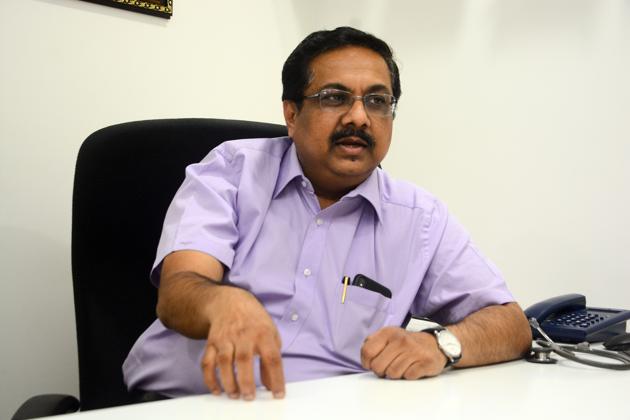
Early this month, the Indian Critical Care Medicine Society (ICCM), an association of 13,000 doctors in intensive care units released India-specific ‘Guidelines for Antibiotic Prescription in Intensive Care Unit’ at the Criticare national conference held in Mumbai on February 2-4.
These guidelines were formulated by a national committee of 40 doctors from across the country, two of them from Pune, after two years of consultation. The national committee was led by Pune’s Dr Kapil Zirpe, till recently, president of the Indian Critical Care Medicine Society; Dr GC Khilnani, former All India Institute of Medical Sciences (AIIMS) senior intensivist and Dr Randeep Guleria, AIIMS director.
“We searched and looked for references and literature related to Indian guidelines and policy on antibiotics, but could not find any,” Dr Zirpe said, adding that the rising antibiotic resistance among the Indian population, and the consequences that this could lead to, was one of the main reasons for preparing the guidelines.
These guidelines will help in combating the growing ‘super bug’ or multi-drug resistance in the Indian population which currently stood at 65%, Dr Zirpe said. This situation called for a solution and therefore, Indian intensive care experts came together under one roof to prepare the guidelines.
Running into 160 pages, the guidelines were published in the January edition of the Indian Journal of Critical Care Medicine and released in February at a national conference.
“The rate of antibiotic resistance in India five years ago was 40 per cent, but now it is more than 60 per cent currently, which is huge,” he said.
The Indian Critical Care Medicine Society will now present the guidelines to the health ministry, Indian Council of Medical Research and circulate them among all medical associations and government hospitals.
Dr Subhal Dixit, national president, Indian Critical Care Medicine Society, also a member of this committee, said, “There are various reasons behind the rise in antibiotic resistance among people: self-medication, incomplete course of antibiotics, poor diet and dependence on western guidelines.” He pointed out that western advisory on antibiotics were not suitable for India due to different genetic and DNA make-up, and different dietary habits.
The national committee spent two years studying available literature, held at least 15 meetings and sought to cover all possible specialties and infections ranging from brain to soft tissue cells. Any Indian doctor can now refer to them and help curb abuse of antibiotics in the people, Dr Dixit said.
To be presented to health ministry
•First national antibiotic guidelines for Indian doctors and Indian population
•Guidelines formulated by 40-member national committee, with two doctors from Pune
•Guidelines will help combat ‘super bug’/multi-drug resistance in Indian population
• Released in February after two year’s work


