
 E-Paper



Over 60% 108 ambulance calls made for Covid in the past nine months
MEMS also reported that over 214 of its own staff members were infected during these nine months with Covid and five of their doctors were also reported dead due to the virus infection


As per the information given by the Maharashtra Emergency Medical Services (MEMS), of the 7 lakh calls made for the 108 ambulances, over 60% or 4.22 lakh of the calls were made for Covid-19 while training calls were made for non-Covid requirements.
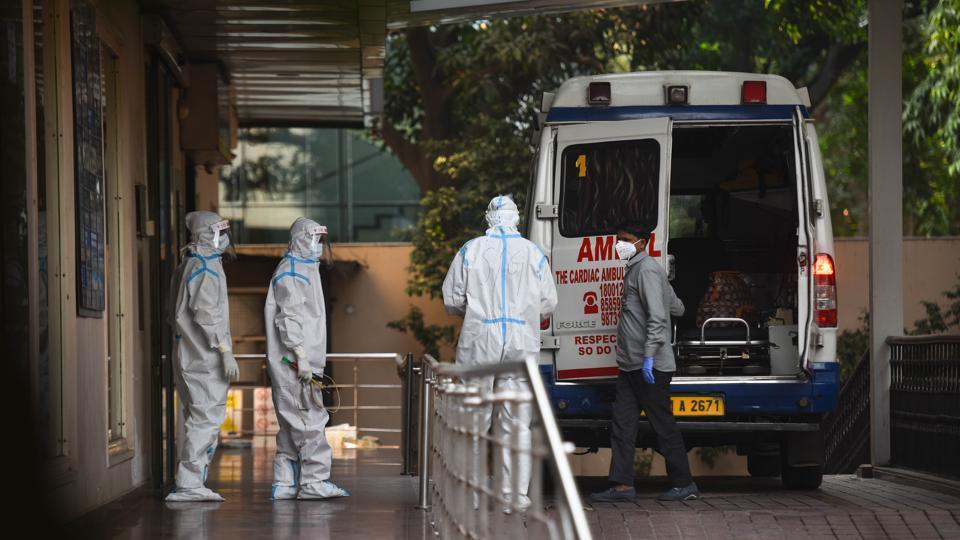
MEMS also reported that over 214 of its own staff members were infected during these nine months with Covid and five of their doctors were also reported dead due to the virus infection.
As per the data shared by MEMS, 7,00,179 calls were made for 108 ambulance services of which 4,22,166 were for Covid, while 2,78,013 were for non-Covid needs. The agency also said that the average response time for ambulances were about 17:51 minutes for urban areas and 23.12 minutes for rural locations, for the same period.
With respect to the most affected districts in the state due to Covid, Pune reported maximum cases in any district in the country. At least 46,584 108 calls were made of which 19,510 were made for Covid purposes and 27,074 for non-Covid reasons. In Mumbai, 46,249 calls were made of which 33,381 were made for Covid reasons and 12,868 for non-Covid purposes. Similarly, in Nagpur, of 29,624, over 12,000 were made for Covid and 17k for non-Covid.
Dr Dnyaneshwar Shelke, chief operating officer of MEMS- Dial 108, said, “Usually we get a lot of calls for on-road emergencies, but due to no traffic we did not get those calls. However, the non-Covid calls were replaced with Covid calls. We had to work double as we also received regular medical calls like strokes, pregnancy-related and other emergencies. We operated with 937 ambulances during the entire Covid period and 96% per cent ambulances were up across the state and only 4% were left for maintenance and repairs. We took care of 4,000 emergencies in the state on a daily basis. We did attend to all the calls, but it could be possible that due to the sheer number of calls, we could have been slightly late in some places but the response time for most of this period remained the same as it has been even during the non-Covid period for the same months.”
“Due to the less traffic, it worked to our advantage by reducing travel time. However, in some cases, if there were more cases from one area then we did face a slight delay as we had to get the ambulance from another area. We also integrated ambulances from private agencies which were mostly used for asymptomatic Covid patients,” he said.
The 108 ambulances had come under fire during the months of July to September when maximum cases were being reported and the service could not reach the patients on time or lacked basic facilities, including oxygen cylinders or cardiac ambulances.
Dr Sanjay Dabhade from Jan Aarogya Manch, a public health activist, said, “I can tell from my experience as when I tested for Covid I did call for the ambulance service but when it did not turn up on time and seeing that my condition worsened, my family had to drive me to the hospital in our private vehicle. There have been so many instances when an ambulance did not come on time and people could not reach the hospital on time and it some cases also died for lack of timely treatment. In some cases, even if ambulances did arrive, it did not have basic facilities like a doctor or an oxygen cylinder.”


