E-Paper



Pune leaders speak about raising children to respect unity in diversity
How should children be taught to respect different religions in a multi-religious, multi-ethnic and multi-cultural nation like ours? City leaders and parents speak on ways one could raise children to respect unity in diversity


Pune Children inherently are not discriminating or disrespectful towards others. They pick vibes from around them. They reflect thoughts that surround them at home and in school. They tend to form opinions based on what they see and hear.
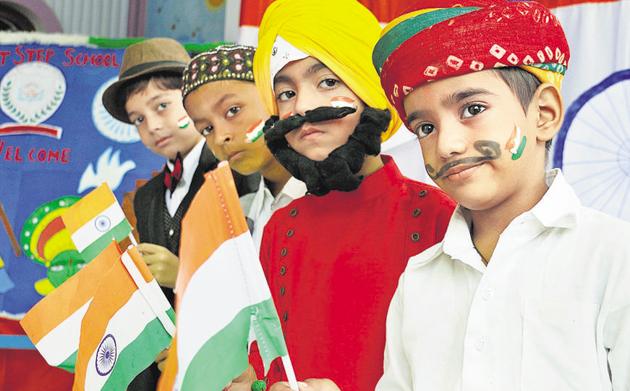
So, it is up to us on what we present to them. While parents should practice what they preach, city thinkers believe that the education system needs to be more inclusive and neutral. What they learn at school also holds great importance in their thoughts.
Children should be encouraged to have open discussions and express their feelings. They should be given the option to pick their belief and not be enforced with something that their parents or peers believe in.
So, what’s the best way to raise a child to respect all? Here’s what Puneites have to say...
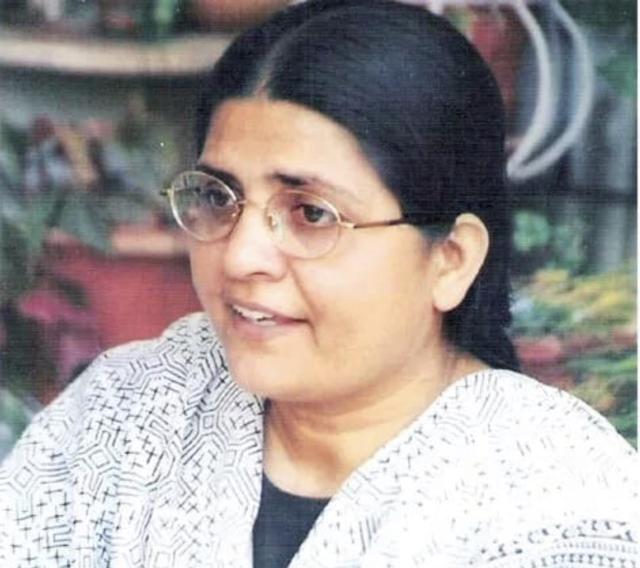
It is all about co-existing: Dr Razia Patel, chairperson, Muslim Mahila Sanvidhan Hakka Parishad
The education system in our country needs to take cognisance of the issue of no discrimination among class, caste, race and religion. I studied in a zilla parishad school and had friends from various communities.
I never learnt to discriminate on the basis of community or religion. However, today, the education system has divided children on the lines of caste, community and status. The divide has created an adverse impact on society. If children are refrained from communicating and interacting with people from all walks, then how will they learn empathy and become sensitive? They need to be taught empathy for all.
Also, we are being partial with our textbook heroes and have seen leaders of certain communities disappear from it. Our education system has to become more inclusive and neutral. We need to be fair to everyone.
Apart from this, we also see a strong divide in societies, where certain communities are outcast and excluded. So, if children do not grow up among multi-cultures, how will they learn to respect each other? How will they learn to understand other cultures and communities? Our future generation has to be taught about being inclusive and respecting all.
Believe nothing, question everything: Dr Bhooshan Shukla, child and adolescent psychiatrist
I belong to the minority that believes in no religion. Nothing comes with a right, be it skin colour, community, religion, caste or anything. You cannot be revelling under the achievements of your ancestors. Be proud of what you have done or of what you have achieved. Children inherently do not discriminate, so parents should be particular about what they say around them. They should foster the idea of open enquiry. The idea of getting respect is something that we make a huge hue and cry about. We should instead focus on giving respect than expecting it.
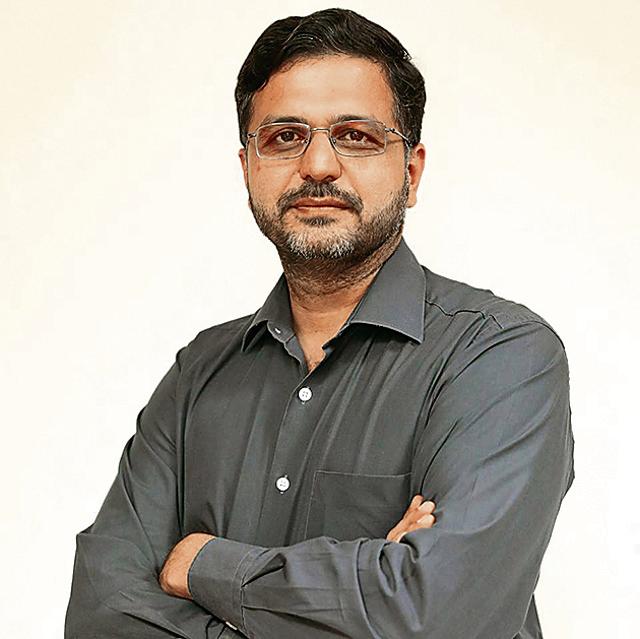
Discrimination generally starts with one’s name: Dr Hamid Dabholkar, Maharashtra Andhashraddha Nirmoolan Samiti (MANS)
For me, it started right after my birth, with my name. My parents named me in memory of a social reformer, thinker, activist Hamid Dalwai. Every week, I come across people who ask, “How come your name is Hamid?”. It indirectly indicates, “What is your religion?”. On one hand my parents wanted to honour the great man, and on the other hand they did not want anyone to attach religion to our names and surname. The habit of judging, based on names, is ingrained in our society. The discrimination generally starts with one’s name.
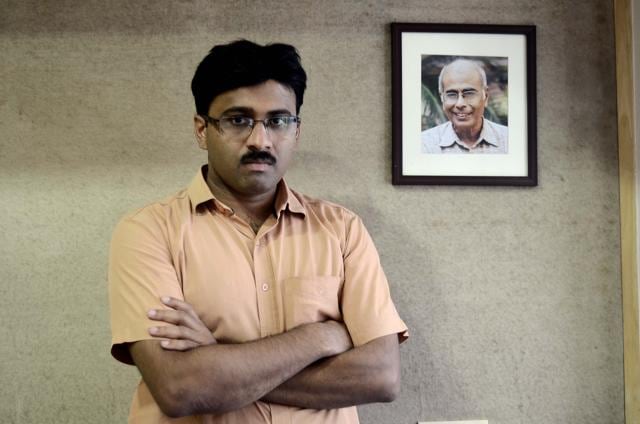
We need to change this. Diversity at the naming stage should be encouraged. I have observed when I was a child/adolescent that growing up in a heterogeneous society, caste and religion was never one of the top priorities of the society at large. We had a Muslim person organise Ganeshotsav for five to six years and no one found it unusual. However, I have observed in the past 10-15 years, that in social life, all these things have taken an unnecessary precedence. Most importantly, parents need to follow what they teach. And, if the child picks up something from society, then you need to give them the opportunity for an open dialogue. Learn to talk to them about community, religion and caste, give them the liberty to choose and also explain the constitution of India in simple words.
Revive the idea of living in harmony: Sanjay Nahar, founder, Sarhad (NGO)
The environment we live in is a major problem today. For us to have the young generation respect culture, ethnicity and religion, we need to give them that kind of environment. We have that in our DNA, but in the larger context we do not have it around us. I have seen the appreciation a Muslim girl receives when she sings a pasayadan (hymn). The video goes viral. This shows that we all want peace of mind.
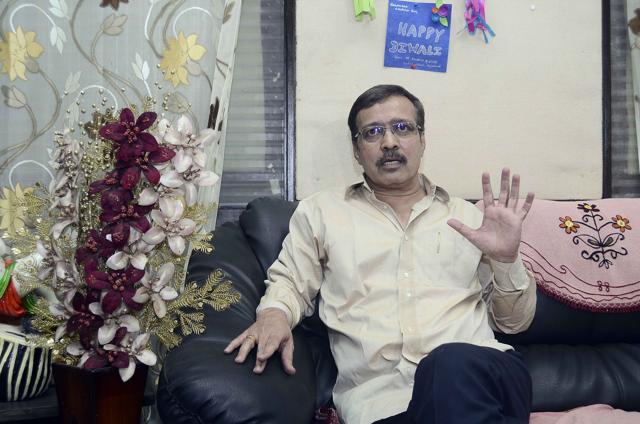
However, certain elements in society are not keen on it, because then it means their businesses and industries will shut. We have to remind and revive the idea of living in harmony. Also, today kids play with toy guns, listen to stories about wars, what kind of message are we passing on to them? We need to create an environment which will instil love and peace.
Let them speak their mind, don’t enforce: Shweta Saxena, parent and clinical psychologist
As parents, it is our duty to instil cultural harmony in children. However, it is also important not to enforce ideas on them. It is easy to condition a child’s belief and nurture them through play therapies, and initiating ‘speak your mind’ games.
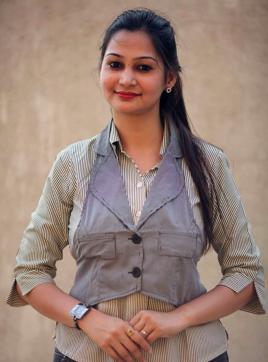
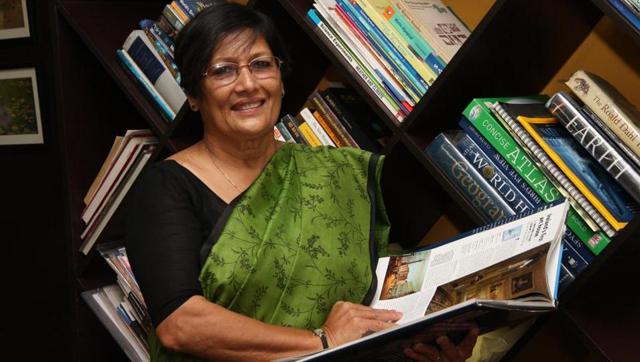
Make children sensitive to other communities: Nalini Sengupta, principal, Vidya Valley School
We should inculcate the idea of respect and unity in diversity at a very young age. Children should be exposed to activities and events where they can be introduced to various communities, religions and nationalities. We have students coming in from different religions and nationalities. For example, on August 15, we celebrate Korean and Indian independence days. This way, we get the children to understand both the countries’ culture and traditions. The world is getting smaller today. We have students sent to Denmark and Switzerland for exchange programmes, and host children from their nations too. This is our initiative to make children sensitive to other communities.