
 E-Paper



Traffic department, PMC to fix 18 accident-prone hotspots in Pune
Some of the accident-prone zones include Hadapsar Noble chowk, Wanowrie main square, Khadi machine chowk, Sahakarnagar lane, Airport main square, Warje Ambedkar chowk, Bharati Vidyapeeth Katraj, Kondhwa square


The city traffic department along with Pune Municipal Corporation (PMC) has identified a total of 18 black spots, prone to accidents which will either be reworked by them.
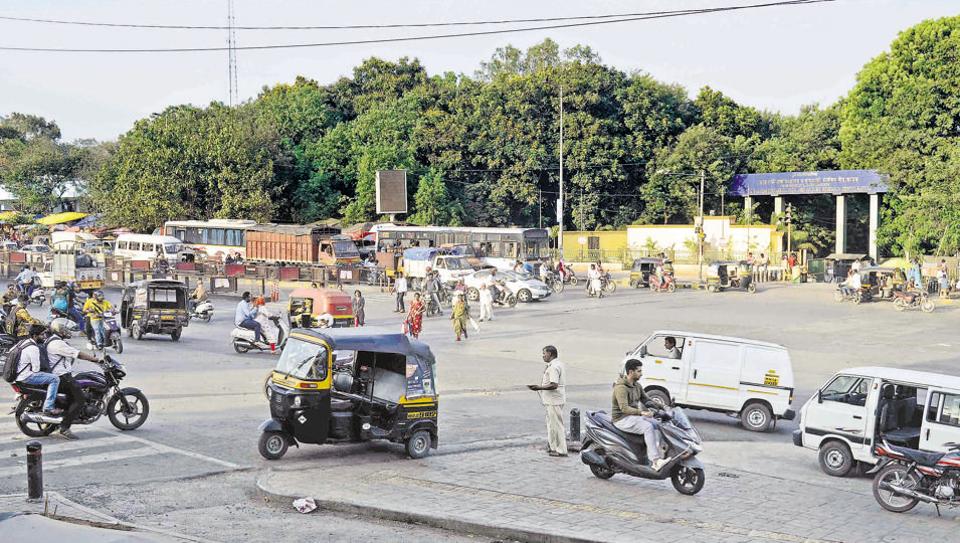
Some of the accident-prone zones include Hadapsar Noble chowk, Wanowrie main square, Khadi machine chowk, Sahakarnagar lane, Airport main square, Warje Ambedkar chowk, Bharati Vidyapeeth Katraj, Kondhwa square.
Pankaj Deshmukh, city traffic deputy commissioner of police (traffic), said, “At least 60 per cent of the accidents can be reduced if these black spots are strategically removed. The current infrastructure at various location lacks a scientific approach in dealing with the issue.”
According to Deshmukh, there are 18 black spots where accidents take place as they are half built or due to improper infrastructure.
He said, “When these roads were made, the traffic was less. However, with the increase in the traffic, these areas have turned into accident-prone spots that need to be removed. We are currently working with the civic body on the possibilities of how these spots could be removed and will soon begin the work as well.”
According to the data shared by the Maharashtra highway, road accidents have claimed at least 1,000 lives and left 1,195 people critically injured in the Pune rural region in 2018. In Pune city, the number of fatalities because of accidents was 362 in 2018. The data revealed that 607 people were seriously injured in road accidents last year in the city.
“The increasing number of vehicles and the corresponding poor road infrastructure, along with the growing tendency among motorists to violate traffic rules, are also some of the other contributing factors,” said Deshmukh.
Experts attributed most of the accidents and fatalities to rash and negligent driving, increasing vehicles, aversion to using helmets and bad road conditions.
Ranjeet Gadgil, city road activist and programme director of city-based NGO Parisar, said, “A combination of bad road designs and absence of crash barriers often lead to the accidents. Besides, rash driving and overloading of vehicles and lack of design for smaller roads connecting to main highways worsen the situation.”
This work undertaken by the department is the need of an hour, said Gadgil.


