
 E-Paper



By the way | Lohri is not about belly dancers
Chawla Aunty was not someone who would part with money easily. Instead, she gave us cotton straw, discarded furniture, dung cakes, and even some old clothes. And we did not mind. We were happy to burn it all.


Chawla Aunty was not someone who would part with money easily. Instead, she gave us cotton straw, discarded furniture, dung cakes, and even some old clothes. And we did not mind. We were happy to burn it all.
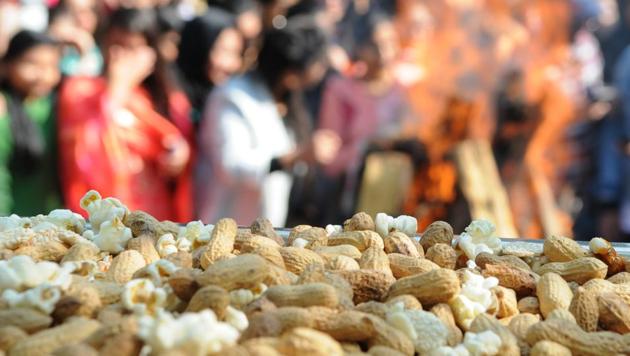
No, not out of anger at not getting cash! Everything we got actually added to the celebration of Lohri, a festival that was once less about forwarded texts and more about learning the art of seeking and collecting, and setting up a community bonfire.
This time, my inboxes — on email, SMS, and all other such means by which we keep ourselves distracted from life on the street — were filled with messages sent by pubs, clubs and event-management companies that wanted me to enjoy Lohri in the benign presence of a live band. All for a princely price, all drinks included.
Most were selling something called Sufi-rock; some had EDM, of course; and at least one had invited “Russian belly dancers”. Oh, I almost forgot the one in which Lohri was described as the “best bonfire of your life”. It was much on the lines of how New Year’s Eve was marketed two weeks earlier, and how Valentine’s Day is sold every year. I missed the seeking. I did not want to be sought after.
A bonfire was, instead, lit outside our office, where journalists and managers discussed the Punjab elections and other such, much more important matters.
Finally home after all the fires had been doused or had run out, past midnight, I ran through the messages I had got on WhatsApp. At least 15 people had sent me the exact same ‘forward’, and some others had sent a ‘Happy Lohri’ appended with a smiley face. It seemed the latter had typed the message themselves. It was quite touching, like the ‘Happy Lohri’ shouted out by passersby all those years ago.
Something inside made me want to check out the streets for the leftovers of the festival. Was there some crazy family that was still sitting out in the cold, warm in each other’s company? Maybe a Chawla Aunty was sharing her unique, secretive recipe of aloo-gobhi after all. Or some Uncles were drinking liquor out of Coke bottles, even if their charade was bluffing no one. Maybe kids were gorging on all the ‘moofali-gachakk’ brought by neighbours.
Were some of those kids collecting the remaining wood and planning the next night’s bonfire that would never actually materialise? Yet again, I was expecting to find parts of my own little town in the manicured streets of the Imagined City. I returned after finding only some stray signs of celebrations and small heaps of ashes.
That’s when it hit me. I was stereotyping the city, and forgetting that I and my apartment building on its outskirts were very much a part of what it is becoming — an amalgamation of a past that stretches back and beyond the city itself; a present that’s not yet set; and a future that would be determined by its living, breathing residents, not by its stark architecture and false foreignness.
I was forgetting those kids who had come to my house the previous day. “Give us ₹100. That’s the charge for each house,” one of them had said. No, they did not want wood or sweets instead. “We can buy all that with the money,” he had told me. I had obliged, and then forgotten about it. They must have celebrated. They had promised to.
I walked into the society’s common lawn to find the community bonfire still alive. The flames were gone, but the warmth remained. A couple of chairs and a bench gave me company. The grass bore signs of dancing, and empty boxes of sweets told a sweet story.
I sat there for while, wondering if the kids had used cakes of cow dung too! We hated it when someone gave us those. “It will help the fire!” Chawla Aunty would tell us. But we were concerned about the embarrassment of carrying dung cakes in our collection bags. Curious, I ran ‘cow dung cakes’ through a Google search. You know what? Amazon actually sells them! I could not stop laughing. So loud that someone switched on the lights in a flat on the fifth floor, startled. No, I did not order any. Maybe I will, next year.
aarish.chhabra@hindustantimes.com


