
 E-Paper



By the way: When a scholar of Persian fights in rhyme
Let me take some liberty since we share a surname and native district. Why does Pardeep Chhabra, Chandigarh’s former mayor, always look so angry in the House? It’s like someone ate his share of cake, and it was the last piece of cake on the face of our planet. He gets able backing from another former mayor, Subhash Chawla. Let’s call them the Bearded Bros.


Let me take some liberty since we share a surname and native district. Why does Pardeep Chhabra, Chandigarh’s former mayor, always look so angry in the House? It’s like someone ate his share of cake, and it was the last piece of cake on the face of our planet. He gets able backing from another former mayor, Subhash Chawla. Let’s call them the Bearded Bros.
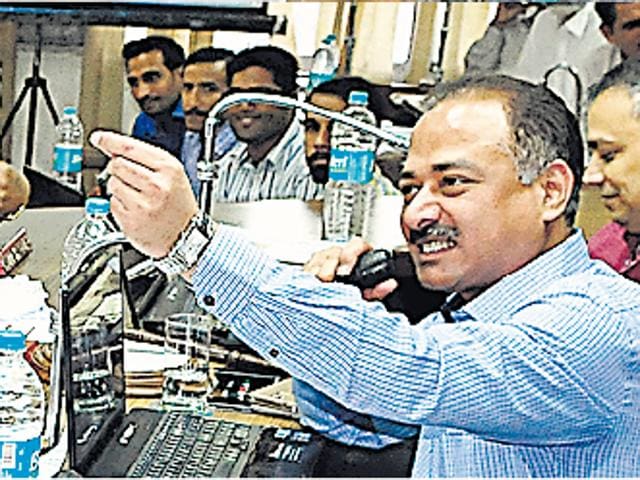
We all understand that they are from the Congress, a party that has a national justification for being frustrated. But my observation is not specific to them or their party. You will see that in the following paragraphs in which I will make a futile attempt to sound objective despite being only human.
I talk of the Bearded Bros upfront only because of a photo I saw of them reacting to a barb by nominated councillor Shagufta Parveen, who told Congress councillors in the June-end House meeting, “Jab tum vote maangte they, tab to hamare paer dhotey they (When you came begging to us for votes, you were willing to even wash our feet.)” This riled up the Congress councillors, though it’s not clear why: Did they not wash their feet, or did they not want people to know?
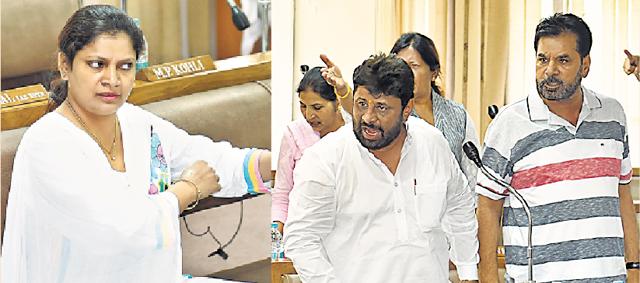
Anyhow, quick recap: Shagufta, who was nominated to the MC during Congress rule in 2012 as part of the minority quota, was reacting to Chawla’s remark that some nominated members were frustrated. Chawla later said her father-in-law Khaleel Ahmed, a former vice-president of the city Congress unit, had “begged before (the then MP) Pawan Bansal for your nomination”. Shagufta then claimed she was “here today because of my capability and education”.
Indeed, she is an educated woman. And her comment must be seen in light of the fact that she holds a doctorate (PhD) in Persian, a language known for its poetic beauty. No wonder that her terse comment, though made in Hindi, rhymed.
And at least she did not call someone Ravan, the ten-headed demon god, or Chhota Bheem, my nephew’s favourite cartoon character. At the meeting in May, ‘Hitler’, ‘badtameez’ and ‘chamcha’ too were thrown around.
There seems to be a particular problem between Chawla and language experts. In the May meeting, he was threatened with a slap by another nominated member, Aruna Goel, who happens to be a scholar of Sanskrit. For context, Shagufta made the feet-wash comment after Chawla demanded that the slap-threat be properly put on record of the MC House proceedings.
Anyhow, these comments every month lead to familiar walkouts and protests, which end in backslapping bonhomie. Bearded Bros laugh too, as do the finger-pointing current mayor Arun Sood of the BJP, the dramatic Poonam Sharma, and other councillors who tear agendas, hurl insults and wave their arms menacingly otherwise. Let’s live to fight another day, buddies, they tell each other.
It’s odd that the councillors — elected and nominated — manage not to get bored of the jibe-joke-fight-repeat routine. I wonder if they consider, once in a while, just for the sake of variety, to discuss what can be done to get water to get to the upper floors in southern sectors, or what should be done to ensure that sewerage cleaners wear gas masks and not die; or how to manage the crazy car population, or even clean the drainage system ahead of monsoon, which comes every year.
Elected councillors cannot stop beating their chests about the fact that they are elected, while the nominated members base their bloated egos on the assumption that they are special. The charade works well for a city that’s used to being run by unelected bureaucrats. The joke, however, is on the people, most of whom do not even know the name of their elected area councillor, or which allegedly eminent person has been nominated to the House.
Or, as the Lady Herself, BSP councillor Jannat Jahan once said and walked out: “I damn care about this f***ing House.” At least she was honest.
(aarish.chhabra@hindustantimes.com)


