
 E-Paper



Dengue cases on the rise in Chandigarh; 80 reported this month
According to health officials, the number of dengue cases in the city has witnessed a sudden surge due to intermittent rains in this month.


The number of dengue cases continue to increase as health officials have failed to control the count. 111 dengue cases have been reported in Chandigarh so far, of which 80 were reported in August.
According to health officials, the number of dengue cases in the city has witnessed a sudden surge due to intermittent rains in this month.
They are expecting dengue cases to shoot up in the coming months, following rains, which leads to increase in humidity levels and waterlogging. Such conditions are apt for mosquito breeding.
Dr Gaurav Aggarwal, anti-malaria officer, UT health department, said that though dengue cases are recorded throughout the year, peak season of the vector-borne disease is from September to November.
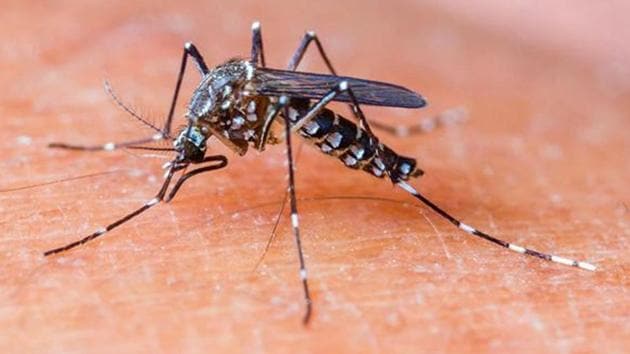
Dengue is spread by the bite of the female mosquito (Aedes aegypti). The breeding season is from June to August. The breeding of dengue mosquito depends upon temperature and humidity.
“Earlier, the apt temperature was 25 to 35 degree Celsius but over the five years, there has been a change. Now, the mosquito can breed in the temperature ranging from 17 degree to 40 degree Celsius,” said Dr Gaurav Aggarwal. He said that humidity is a major factor as 50%-70% humidity is needed for effective breeding.
MANIMAJRA WORST HIT
Coolers and underground water tanks have become the most common mosquito breeding grounds in Manimajra and adjoining villages of Kishangarh, Khudda Ali Sher and Maloya. Hence, it has become the worst affected area of the city. 70 of 111 dengue cases have been reported from Manimajra.
“We have served 95 notices in the last four days to the residents of these areas but still there is no improvement,” said Dr Gaurav Aggarwal. Apart from dengue, 66 cases of chikungunya and 45 cases of malaria have been reported in Chandigarh.


