
 E-Paper



Chandigarh’s Geri Route to turn Azaadi Route? A name-change drive seeks to change mindset
“The new name comes from ‘bekhauf azaadi’ or fearless freedom, the title of last Friday night’s march to ‘reclaim the streets’, which saw women, with men and children, walk in solidarity on the route,” says city-based teacher-storyteller Deeptha Vivekanand, who has started the drive on Facebook.


After the march, comes a movement. And symbolism matters.
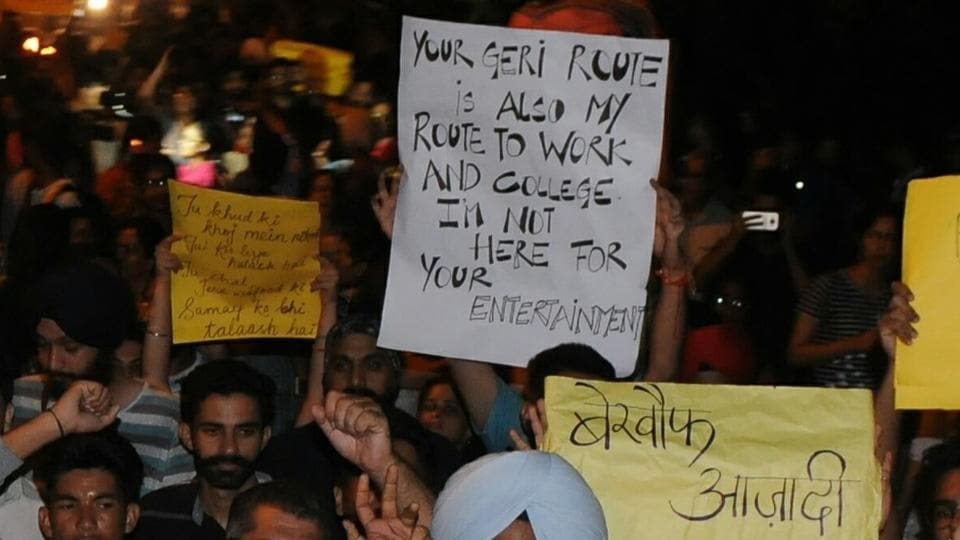
Taking forward the feminist spirit that came forth after the incident of stalking of DJ Varnika Kundu in Chandigarh, a petition to get Google to not use the name ‘Geri Route’ for the Sector 8-9-10-11 inner road is gathering pace. The rename suggested is: Azaadi (Freedom) Route.
“The new name comes from ‘bekhauf azaadi’ or fearless freedom, the title of last Friday night’s march to ‘reclaim the streets’, which saw women, with men and children, walk in solidarity on the route,” says city-based teacher-storyteller Deeptha Vivekanand, who has started the drive on Facebook. That march had come exactly a week after Varnika’s case started making headlines to turn eventually into a national wave. Accused Vikas Barala — son of Haryana BJP president Subhash Barala — and his friend Ashish Kumar remain in jail, charged with stalking and attempt to kidnap.
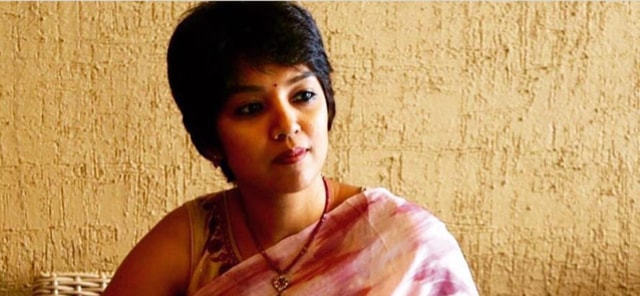
Janaki Srinivasan, a political scientist at Panjab University, also called for the name change in her speech at the conclusion of the march. “The term ‘geri’ was never innocent! Just because something is popular does not mean it’s innocent. ‘Geri’ is a masculine assertion, of how men go after women. Ask anyone in Chandigarh if ‘geri’ means women moving around freely. Does it? To women who are the subject of ‘geri’, it is harassment.”
“Actually, it’s not just about Google Maps —the leader among search engines and navigation service — or any formal naming by the UT administration; it’s about changing the popular usage, which matters most,” says Deeptha, whose FB post explains the term in context, “No, not the freedom to do as you please, or to go unchecked, but the freedom to walk without fear. Bekhauf.” The Azaadi Route will be, she quotes from a friend, “the route where the free spirit of Chandigarh — defined best by the women who fear none and nothing in their assertion of equality — flows”.
She paraphrases novelist Amandeep Sandhu who has described ‘geri’ in a viral FB post: “The term comes from ‘gera’, meaning the landlord going on horseback to survey fields. Calling it ‘geri’, the feminine, is to make it sound gentler. A sign of protection, ‘gera’ encapsulates the political economy of farms where owner has serfs from landed castes and many from landless. The landowner has now moved to cities, changed the steed from horses to SUVs, and you are very mistaken if you feel ‘geri’ means harmless men having some fun without harassing women. That is not how women feel.”
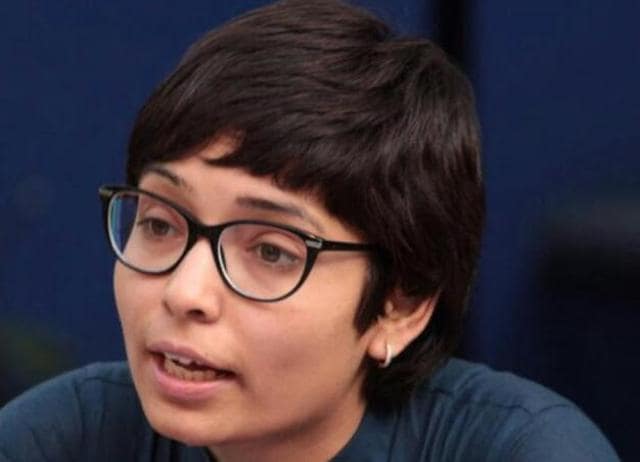
Aman Deep, a PU research scholar who was among the march organisers, endorses it as a step towards dismantling “the patriarchal, regressive mindset that only knows to confine women”. “Renaming to Azaadi Route will challenge the status quo and the normative approach towards gender issues,” she adds.
Deeptha explains how it can be done by contribution: “Just open your Google Maps app or webpage, search for ‘Geri Route’ and select ‘Suggest An Edit’. Enter the new name as ‘Azaadi (Freedom) Route’, follow the instructions and tap ‘Send.” Google will review it and keep the user posted on the progress. “The more people suggest the edit, the higher our chances are of making it happen.” She also plans to start a petition on Change.org to get Google to act.
Will the group also be petitioning the UT administration to give the route a name? “Why not? A change in the gazette will truly seal the deal,” Deeptha says.


