
 E-Paper



Remembering the first Indian-origin Congressman Dalip Singh Saund
Congressman Dalip Singh Saund, who immigrated to the US from Chhajulwadi in Amritsar, broke many a glass-ceiling when he became the first Asian-American, the first Indian-American, and the first Sikh to be elected to the US Congress in 1956.

 Prefer HTon Google


As the world sits back and takes note of Kamala Harris, who has become the first Indian-origin vice-president-elect of the United States of America, it is time to remember another Punjab-origin trailblazer who paved the way for Indians to enter the US Congress.
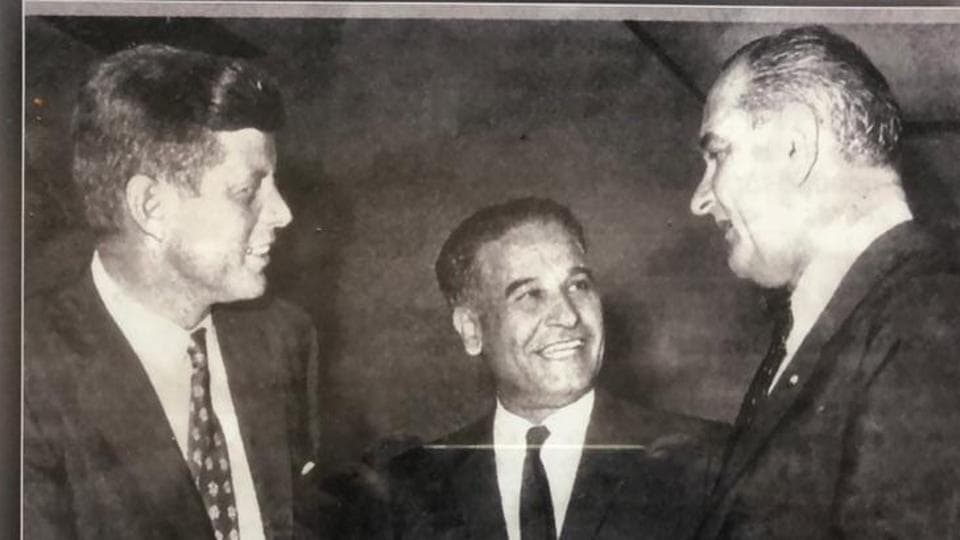
Like Harris, Congressman Dalip Singh Saund, who immigrated to the US from Chhajulwadi in Amritsar, broke many a glass-ceiling when he became the first Asian-American, the first Indian-American, and the first Sikh to be elected to the US Congress in 1956.
The journey was all the more remarkable as Saund had to first fight for Hindus’ (all South Asian communities were clubbed under the category at the time) right to become citizens. Saund was re-elected to the US Congress twice - in 1958 and again in 1960.
Meanwhile, a Chandigarh-based family is basking in the quiet glory of its ancestor’s connection to the US Congress. Saund’s grand-nephew Gurpreet Singh who is president of the Institute of Sikh Studies, Chandigarh, and the Global Sikh Council, grew up hearing about him.
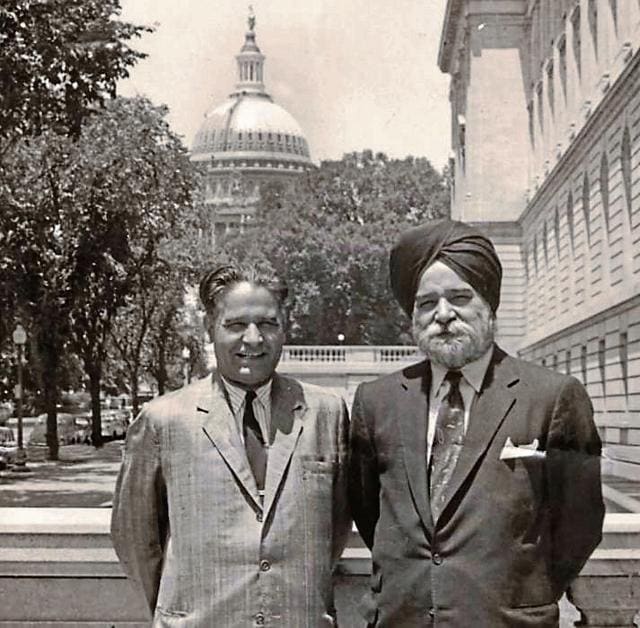
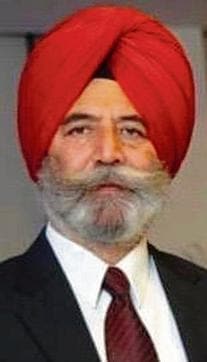
It’s no wonder that Gurpreet lent support to the Biden-Harris campaign. He says, “I am a democrat by conviction. It’s a part of our DNA as we are inclusive people.”
“When Taya Dalip went to the US, Indians had no voting rights. They could not even lease land. He had to wait for seven years to enter the Congress after getting citizenship and when he did, he won against the formidable Republican candidate Jacqueline Cochran, who was a decorated pilot during the World War-2,” he says.
“Taya Dalip campaigned vigorously for the Blacks the right to vote. When he stood for Congress, he did not seek the help of bigwigs in Washington as he did not want to lose his autonomy. He was a hands-on fellow. He would fly back to California over the weekend, tour his constituency, meet the constituents and tell them what had happened in the Congress and what he thought about it and what was his stand,” he adds.
On Harris’ victory, he says, “Nowadays, the world has become a village but there are so many divisions. I hope she takes up minority-rights and humanitarian issues.”


