
 E-Paper



Do Bengaluru rentals compare with San Francisco? ₹50,000 rent for 500 sq ft spark outcry among netizens
Bengaluru rentals: A tenant on Reddit said landlords show ‘unchecked greed,’ warning the city is going San Francisco way with ₹50K rents for 'matchbox' 1BHKs

 Prefer HTon Google


Prospective tenants in India’s IT hub say Bengaluru’s rental market is beginning to mirror San Francisco’s, with demand far outstripping supply and even modest flats listed at ₹50,000 for a 500 sq ft 1BHK.
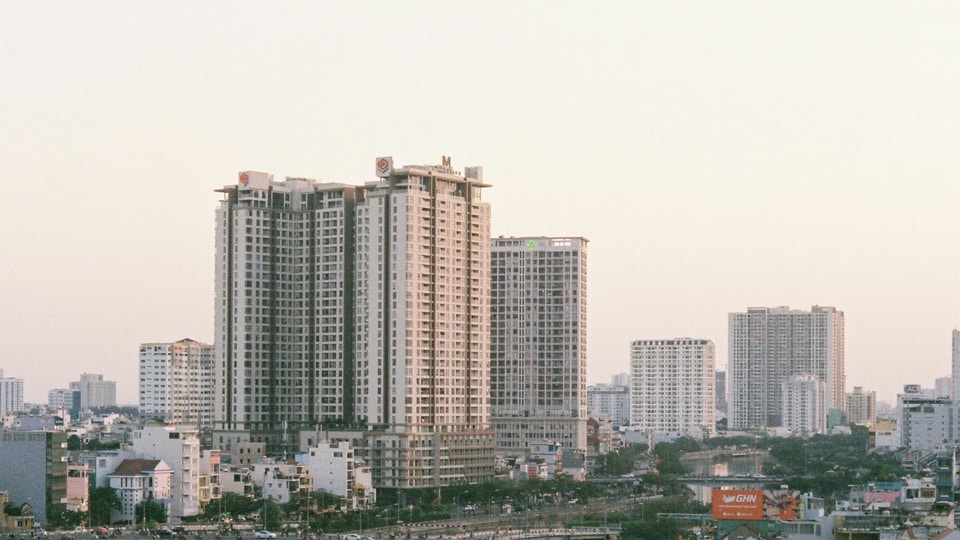
Landlords maintain this reflects the ‘market rate,’ but tenants argue it strains household budgets and fuels broader inflation, leaving workers with little choice between paying exorbitant rents or enduring long commutes from the city’s outskirts.
Is Bengaluru headed the San Francisco way?
One tenant recently took to Reddit to call out ‘unchecked greed’ in Bengaluru’s landlords, citing exorbitant rents for matchbox-sized apartments.
“Bengaluru seems to be headed the San Francisco way. There’s zero market regulation here, and there’s always some rich person who will rent that HSR 500 sq ft 1BHK for ₹50,000; he doesn’t care,” the post read. The Redditor said that while they were currently managing by staying with relatives thanks to work-from-home flexibility, the hunt for a reasonably priced flat was proving exhausting.
Also read: Laid-off Bengaluru techie’s ₹78k EMI reignites rent-versus-buy home debate
Another Bengaluru resident recalled how rents have shot up in just a few years. “Three years ago, I was paying ₹20,000 for a 2BHK,” they said. “Today, the same flat costs ₹32,000, and it’s unbelievable.”
The Redditor said that tenants are left with a tough choice: move to the outskirts and spend hours in traffic, or stay closer to the office and “pay through your nose for rent, food, and groceries.” They even remarked that at this rate, “living in hotels might soon be the cheaper option.”
According to Zillow.com, an American tech real estate marketplace, apartment rents in San Francisco start at around $750 ( ₹65,000 per month) for a studio in Broadway and $771 ( ₹60,000 per month) for a one-bedroom in the eastern suburb of Hunters Point, and can go over $1,900 ( ₹1.6 lakh per month) for higher-end units.
Owners change tune after Covid
Other prospective tenants pointed out how landlords’ attitudes shifted after the pandemic.
“Before Covid, my owner only wanted us to keep the house nicely and never raised the rent. But once the IT companies reopened, her house manager insisted on matching the ‘market price.’ She is incredibly wealthy and doesn’t need the money, but suddenly wanted more,” a tenant shared.
A Reddit user recalled house-hunting in Mumbai 25 years ago. “Brokers and flat owners were some of the most unscrupulous and greedy people I ever met. I was so traumatised that I vowed never to be at their mercy again. Within a year, I saved for a down payment and haven’t looked back since.” Now based in Bengaluru, the Redditor said, “Brokers and owners are mostly a broken bunch of people.”
Also Read: Will US tariffs alter the landscape of luxury and affordable housing in India?
‘Landlords who have invested ₹1.85 crore in an apartment are unlikely to settle for lower rental yields’
Several users posted that a few developers were selling cramped, poor-quality homes at exorbitant prices. One Redditor pointed to a recent example in north Bengaluru's Bagaluru, where a relative had purchased a premium apartment. The 3BHK, priced at ₹1.85 crore, offered little more than a single balcony, two “cage-sized toilets,” and interiors made of what they described as substandard materials.
“For that kind of money, you’d expect quality and space. Instead, these are matchbox apartments,” the Redditor wrote, adding that anyone who has invested such large sums is unlikely to accept lower rental yields. In their view, this mindset contributes to inflated rents, since owners see even steep monthly charges as negligible compared to the crores they’ve already sunk into buying the property.
Another tenant agreed, saying that builders and developers have turned affordability into a joke. “They pass on the high costs to buyers, and the buyers, in turn, pass them on to tenants. It’s a cycle, and tenants are always the ones squeezed,” the post said.


