E-Paper



Hyderabad real estate: NRI couple sees just 0.5% return in 15 years; Lessons for overseas Indians investing in property
Real estate experts urge NRIs to avoid fear of missing out on property buys, rent before deciding to return, and factor in project delays before investing

 Prefer HTon Google


An NRI couple’s real estate investment in Hyderabad in 2010 ended with disappointing returns. Despite selling the property at a higher price, the couple calculated that their annualised return in US dollar terms was only 0.5% over 15 years, far below expectations.
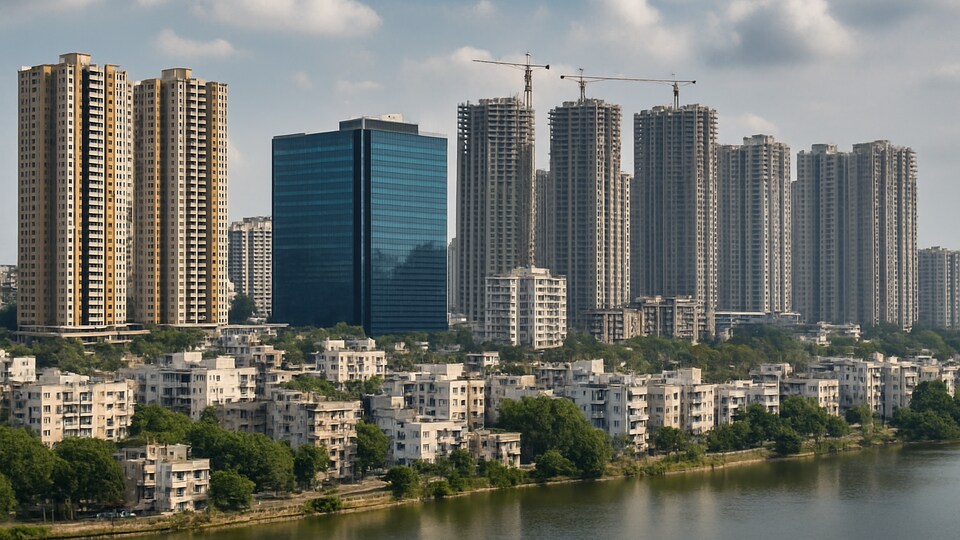
Their experience has prompted several homebuyers to caution against letting fear of missing out (FOMO) drive property decisions. One Reddit user advised NRIs to rent for at least six months after moving back instead of rushing into a purchase. Real estate experts echo this, urging buyers to avoid FOMO, account for potential project delays, and have realistic expectations about returns before investing
The couple purchased a 3BHK apartment measuring 1,198 sq. ft. in the Mantri Celestia project in Nanakramguda, Hyderabad. They started investing in the property in 2010, paying the builder in staggered instalments through EMIs over nine years. By 2019, they had paid ₹59.34 lakh to the developer and spent another ₹5 lakh on woodwork and repairs, bringing their total investment to ₹64.34 lakh. At the time of purchase, this amounted to around $111,740 based on the then exchange rate of ₹45 per US dollar.
They received possession of the flat only in 2019, nine years after their initial investment, and sold it in 2024 for ₹90 lakh. However, after deducting ₹90,000 in broker fees and ₹4.2 lakh in long-term capital gains tax, they took home ₹84.9 lakh (around $109,090).
During the five years they held the property after possession, they earned ₹12 lakh in rent. After accounting for 30% income tax and about ₹1.2 lakh in maintenance and repair costs, they were left with ₹7.2 lakh in net rental income (approximately $11,200).
In total, including both the sale and rental income, they ended up with around $120,000, just $8,260 more than what they originally invested in dollar terms. That translates to a 0.5% annualised return in dollars.
"When I ran the numbers, if that same money had been put into S&P 500 index fund, the value today would’ve been over $210K. This is not a post bashing real estate, but more a reflection on opportunity cost, rupee depreciation, and the trade-offs NRIs face when buying property in India," the buyer wrote.
Also Read: 5 things NRIs should keep in mind before investing in property in India
'Don't fall into FOMO traps,' say Redditors
Several homebuyers have cautioned against letting (fear of missing out) FOMO drive real estate decisions. One Reddit user advised that instead of rushing into a purchase, NRIs should consider renting for six months after moving back, ideally within a 5 km radius of their preferred location, to explore options and make a more informed choice.
"My brother, who lives in Hyderabad, bought one in Gachibowli very close to the main road at a high price due to FOMO and has been trying to sell it for 1.5 years now but he is not even getting break-even price," the user wrote.
The user summed it up by calling it one of the biggest "scams" in Indian real estate, where urgency is created artificially depending on which side of the deal buyers are on.
Also Read: NRIs bet big on Bengaluru real estate, driven by strong dollar and US visa uncertainty
Returns may be inflated without factoring in loans and staggered payments, say experts
Suresh Sadagopan, a financial advisor at Ladder7 Wealth Planners, points out that the analysis assumes the entire amount was invested at once, while in reality, payments were likely made over a period, from 2010 to 2019. In such cases, calculating returns using a compounding rate of around 0.5% annually would be more accurate.
He also notes that key details are missing, such as whether a home loan was involved. If the buyer had taken a loan, the added interest cost would significantly increase the actual investment, ultimately lowering the effective return or profit margin on the property.
This is what NRIs should keep in mind before investing in India
Financial experts also advise NRIs to avoid FOMO, carefully factor in potential project delays, and set realistic expectations about returns before investing in property.
Sadagopan explains that rupee depreciation over time can have advantages and drawbacks for NRIS, depending on how the investment is managed.
If NRIs keep their money in India, rupee depreciation may actually work in their favour. "For instance, if they invested when the exchange rate was ₹45 per US dollar and it has now fallen to ₹85, they benefit from both property appreciation and currency movement. However, challenges arise when they plan to repatriate the funds. In such cases, the depreciated rupee reduces the real return once converted back to foreign currency," he said.
Sadagopan advises that NRIs must carefully evaluate the actual return post-rupee depreciation. "For example, if a property offers a 9% annual return and the rupee depreciates by 4% per year, the effective return drops to around 5% in dollar terms. Therefore, NRIs should look for real estate or other investment assets in India that can deliver returns significantly higher than the rate of currency depreciation."
Additionally, he said they should factor in the cost of transferring money abroad, along with ongoing expenses like property tax and maintenance. While Indian property can be a strong diversification option for NRIs based in countries like the US, all costs and risks need to be weighed carefully to ensure the investment remains worthwhile, he said.