E-Paper



KRERA slaps up to 5% project cost penalty on Bengaluru developer for non-compliance with an earlier refund order
Karnataka RERA has imposed a penalty of up to 5% of the estimated project cost on a Bengaluru developer for failing to comply with an earlier refund order

 Prefer HTon Google


Holding that there was a ‘persistent and systemic pattern of non-compliance’ with its binding directions, the Karnataka Real Estate Regulatory Authority (KRERA) has imposed a penalty of up to 5% of the estimated project cost on a Bengaluru-based developer for failing to comply with an earlier refund order in favour of homebuyers. The authority directed that the penalty be paid within 60 days and also issued notices to the company’s managing director and other directors.
“The authority hereby imposes a penalty under Section 63 of the Act upon the Respondent Company for failure to comply with the earlier orders of this Authority. The penalty shall be cumulatively extended up to 5% of the estimated project cost payable within 60 days from the date of this order,” the order said.
“The Respondent has not only defaulted in complying with the final orders passed by this authority in favour of the present Complainants, but has also failed to honour several other similar orders passed by this very Authority against it, thereby demonstrating a persistent and systemic pattern of non-compliance with binding adjudicatory directions under the RERA Act, 2016. It is, therefore, crystal clear that the persons who are in charge of and responsible for the conduct of the affairs of the Respondent-company do not attach any value to the letter and spirit of the law,” the order said.
The regulator also directed the company’s managing director and directors responsible for the conduct of business during the relevant period to appear before the authority within 30 days and explain why proceedings under Sections 63 and 69 of the Real Estate (Regulation and Development) Act, 2016, should not be initiated against them.
“The Managing Director and the Directors who were responsible for the conduct of the business of the Respondent Company during the relevant period shall appear either personally or through authorized representative before this Authority and show cause within 30 days as to why proceedings under Section 63 read with Section 69 of the Real Estate (Regulation and Development) Act, 2016 should not be initiated against them for non-compliance of the orders of this Authority,” the order said.
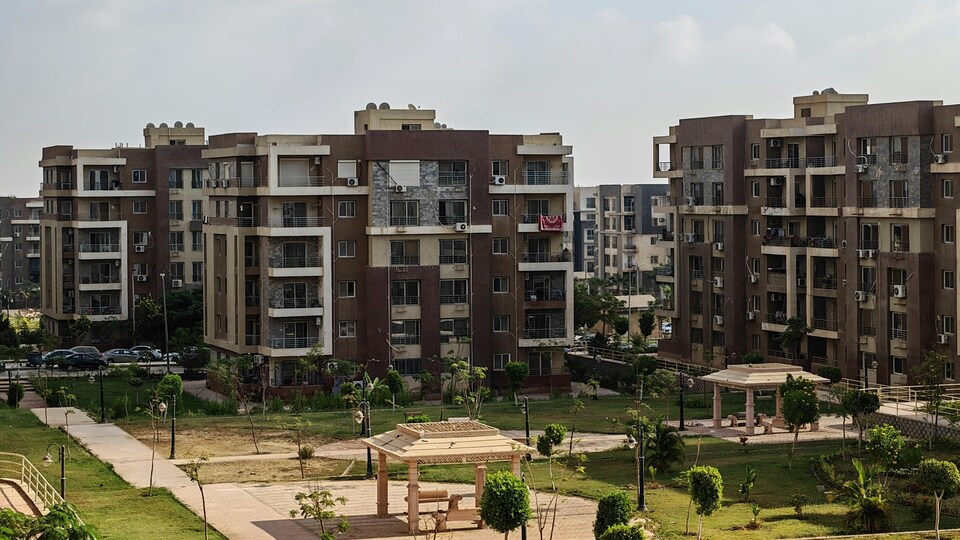
The order came in response to a complaint linked to the Mantri Webcity 2B project, being developed by Mantri Developers Pvt Ltd, in which buyers alleged that the developer failed to honour refund and loan-related obligations despite a previous KRERA ruling in their favour.
The case
According to the complaint, the homebuyers had booked a flat in the Mantri Webcity 2B project under a pre-EMI scheme. They paid ₹14.35 lakh as sale consideration, while the remaining ₹64.17 lakh was financed through a housing loan. A tripartite agreement was executed among the buyers, the developer, and the lender, under which the developer agreed to service the pre-EMI or interest component and assume the loan liability if the buyers withdrew from the project.
The promised possession date was March 31, 2017. “However, the Respondent failed to complete the project within the stipulated time and repeatedly postponed possession,” the order noted.
“Aggrieved, the complainants approached this Authority, wherein this Authority, vide order dated 03/04/2024, allowed the complaint and granted reliefs in favour of the complainants and issued specific directions to the respondent for compliance within the stipulated period,” the order said.
The developer cited delays due to legal and licensing hurdles, heavy rainfall and flooding between 2015 and 2018 that disrupted construction activity, and the 2016 demonetisation exercise, which it said triggered a severe liquidity crunch and labour shortages.
“Shortage of skilled labour and construction materials, market slowdown affecting project cash flow and COVID-19 pandemic and lockdown, causing industry-wide disruption. It is pertinent that the Karnataka RERA Authority itself extended project timelines vide Circular dated 19/05/2020, acknowledging the impact of COVID-19 and granting automatic extension,” the developer told the Authority as per the order.
The order
KRERA observed that a final order had already been passed in favour of the complainants and that the developer had failed to demonstrate compliance.
“Despite sufficient time having elapsed from the date of the Order, the Respondent has failed to demonstrate compliance. Accordingly, this Authority holds that there is clear and continued non-compliance of the Order dated 03/04/2024,” the authority said.
KRERA also noted that the company had not refunded the amounts as directed, had not discharged the loan liability and had not complied with the previous directions.
Referring to Section 63 of the RERA Act, KRERA said a promoter failing to comply with any order or direction of the authority is liable for a penalty for every day of continuing default.
“It is relevant to note that the Respondent is a juristic entity incorporated under the Companies Act and functions through its Board of Directors and officers who are responsible for the conduct of its business. The doctrine of corporate personality cannot be permitted to be used as a shield to evade statutory obligations under the Real Estate (Regulation and Development) Act, 2016, particularly when the orders of the Regulatory Authority remain uncomplied with for a considerable period of time,” it said.
A list of questions has been sent to the developer. The story will be updated once a response is received.