E-Paper



Bengaluru Authority proposes property tax incentives for vacant plots converted into parking facilities
Bengaluru's draft parking rules propose 100% property tax relief for vacant plots converted into multi-level parking and 50% relief for surface parking

 Prefer HTon Google


Bengaluru may soon offer 100% property-tax incentives to owners of vacant plots who convert their land into dedicated multi level parking facilities, under a proposed set of comprehensive parking rules aimed at easing the city's growing parking and traffic problems.
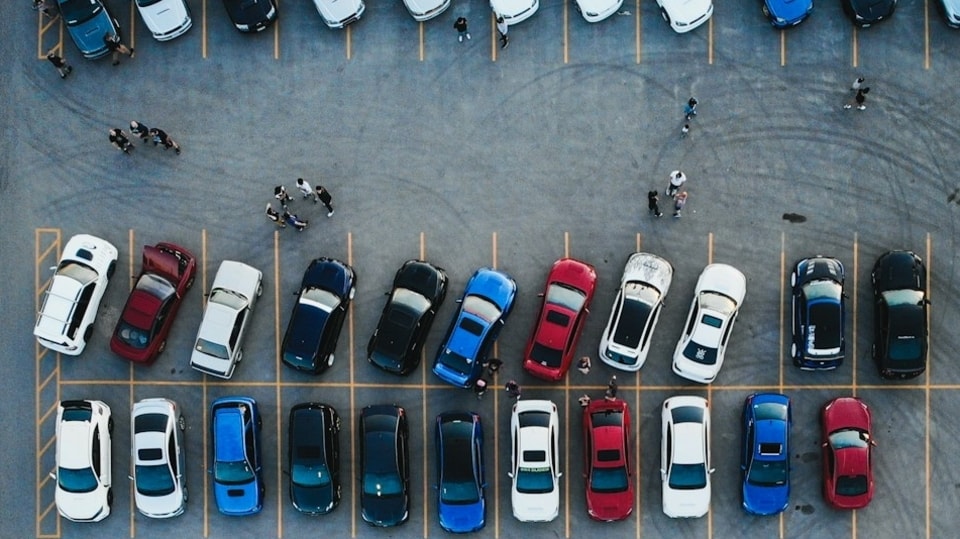
According to media reports, the Karnataka government has proposed a 100% exemption from property tax and service charges for vacant plots that are developed as multi-level car parking (MLCP) or mechanised parking facilities. Owners who use vacant sites for regular surface-level parking could receive a 50% property-tax exemption under the draft rules.
The proposal is part of the draft Greater Bengaluru Authority (Parking) Rules, 2026, which seeks to increase the availability of off-street parking and reduce the dependence on public roads for vehicle parking. The Greater Bengaluru Authority (GBA) has invited suggestions and objections from citizens and other stakeholders on the draft rules until September 10, according to a Network 18 report.
Unused land can be used for organised parking
According to the reports, the proposed tax incentives could be significant for owners of vacant land in Bengaluru, particularly in areas where land remains unused or underdeveloped but could potentially be converted into organised parking facilities. The government is seeking to encourage private property owners to make such land available for parking rather than leaving vehicles to occupy roads and footpaths.
The move comes against the backdrop of Bengaluru's severe parking shortage. The city has more than 1.28 crore registered vehicles, while another estimated 15 lakh to 20 lakh vehicles registered outside the city are also regularly used in Bengaluru. Authorities have said that vehicles remain parked for a significant part of the day, placing considerable pressure on limited road space, the report said.
The draft rules also propose introducing a more structured, fee-based on-street parking system. Parking charges would vary depending on factors such as the type and location of the road. The proposal also includes annual permits for residents who park vehicles on streets outside their homes, with fees reportedly ranging from ₹15,000 to ₹25,000 a year, depending on the category of vehicle.
Authorities are also looking at restricting parking on roads where congestion is already severe. The broader objective is to shift parking away from public roads and towards designated facilities, thereby freeing road space for moving traffic and improving pedestrian movement, the report said.