
 E-Paper



Who pays if builders don’t have the money?
Legal experts say that contempt proceedings can be initiated against developers failing to pay buyers or deliberately flouting the court orders


On August 13, Unitech had informed the Supreme Court that it was not in a position to refund money to homebuyers in its Noida and Gurgaon projects in which possession had been delayed. “We don’t have the money. If we had the money, we would have constructed the flats and given them to the buyers,” the lawyer representing the builder had told the Bench hearing the case.
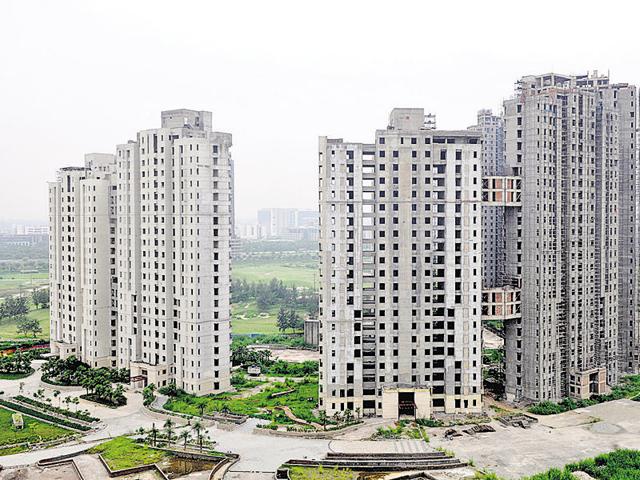
In another case involving DB Realty in Mumbai, 3,500 buyers awaiting possession despite paying 90% of apartment costs were reportedly told in April this year that the company did “not have the funds to complete the project.”
Till date, there are around 6,000 projects out of 13,500 which have been delayed in the top eight cities in the country, as per estimates by real estate research firm Liases Foras.
Legal experts say that contempt proceedings can be initiated against developers failing to pay buyers or deliberately flouting the court orders. “This week’s order (Supreme Court asking Unitech to deposit Rs 15 crore in its registry for refunding buyers opting to withdraw from the builder’s delayed Gurgaon delayed project) sets a precedence. If a developer has promised a project, he had better deliver it. The country is not a banana republic and buyers cannot be taken for a ride. The order also reinforces the RERA Act under which there are stringent rules to deal with violations,” says S K Pal, a Supreme Court lawyer.
The reasons why a builder ends up with inadequate capital could be (a) he took a bad business call or decision and did not calculate the cost of the project; (b) he over committed or sold cheaper than he should have; or (c) diverted money collected from buyers to other projects or elsewhere or; (d) is yet to receive money from the buyers. Each of such matters would have different consequences.
If the builder has taken a bad decision about his business and erred on cost or sold or promised to sell at an unfeasible price it will undoubtedly lead to losses. Homebuyers who have invested their life’s savings in the builder’s projects, however, cannot be made to pay for his losses.
The buyers’ claim against the builder is not only limited to the property or compensation in lieu thereof. They can also proceed against the builder under the applicable criminal law in case the builder intentionally defrauds the buyers, says Sudip Mullick from Khaitan & Co.
If the builder has diverted money to other projects or elsewhere, the buyer’s quickest remedy – to force the builder to settle – would be to initiate criminal proceedings. Buyers also have the right to file civil proceedings for recovery of the property. They can also choose to terminate the agreement with the builder and recover the principal amount and compensation, say legal experts.
And what happens if a buyer is left in a state where he cannot recover money from the builder? Legal experts say that buyers take the risk of investing in an under-construction project and that is an individual risk. Buyers have the legal right to recover the amount but if they cannot, that is the consequence of the risk they have taken.


