
 E-Paper



Zillow’s flipping halt marks stunning collapse in housing push
Analysts are wondering how Zillow will move on from the home-flipping business, which was central to its strategic goal of shifting from a company known for real estate listings to one that gets a bigger slice of the lucrative space around property transactions.


It was the culmination of a turbulent few weeks for America’s most famous real estate company: Zillow Group Inc. pulled the plug on its tech-powered home-flipping operation.
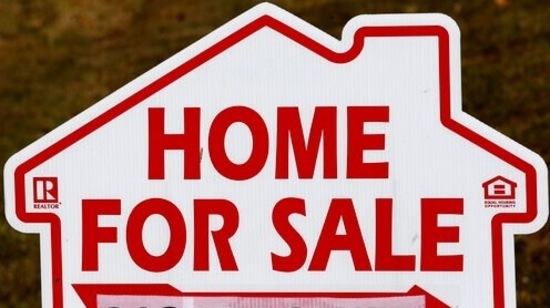
The decision, reached by the board of directors on Tuesday morning, sent the company’s shares plummeting. It also raised big questions about what comes next for Seattle-based Zillow, which had staked its future on the idea that its data scientists could power a business that buys and sells thousands of homes a month.
Now analysts, competitors and industry observers are left to puzzle over how exactly the company managed to misjudge the housing market so badly that it’s writing down more than $500 million on the real estate it purchased.
They’re also wondering how Zillow will move on from the home-flipping business, which was central to its strategic goal of shifting from a company known for real estate listings to one that gets a bigger slice of the lucrative space around property transactions.
“It’s a drastic and unexpected move,” said Ygal Arounian, an analyst at Wedbush. “It was a central part of what the company was built on over the past three years, and management needs to go back to the drawing board and fill in the gap as it continues to aim to be a bigger part of the overall real estate transaction.”
The first sign of trouble emerged on Oct. 17, when Bloomberg reported the company was pausing new home offers for the rest of the year. While the company blamed a labor shortage, it quickly became clear Zillow had struggled to read the frothy pandemic housing market -- overpaying for homes that it would later be forced to sell at discounts.
From there, the collapse was swift. Bloomberg reported Monday that the company was marketing about 7,000 homes for roughly $2.8 billion to institutional investors. And a day later it was all over, with Zillow telling investors that it would stop flipping homes, write down existing inventory, and reduce its workforce by 25%. The company had roughly 8,000 employees as of Sept. 30.
On a call with investors, Chief Executive Officer Rich Barton said the risks of getting home prices wrong were greater than he’d anticipated, turning the company into something like a “leveraged housing trader” that faced “a high likelihood, at some point, of putting the whole company at risk.”
At the same time, Zillow decided that the home-flipping service -- intended to ease the headaches consumers face when selling a house -- wasn’t broadly applicable. Roughly 10% of serious sellers accepted Zillow’s offers, while the rest preferred to sell their homes the traditional way.
The companyr But ultimately, it decided that its offers were only appealing to a small portion of the market.
“Zillow’s experience shows that iBuying is a tough business where pricing accuracy is paramount,” said Court Cunningham, CEO of Orchard, a venture-backed company that offers an alternative path to disrupting housing. “But it also shows that 90% of consumers did not want the iBuyer price.”


