
 E-Paper



Genome bank to safeguard superior quality poultry from diseases like bird flu
Once set up, the genome bank will be one of a kind for poultry birds in the country, claimed an official.

 Prefer HTon Google


The Central Avian Research Institute (CARI) has decided to set up a genome bank of poultry birds aimed at the safety of superior quality species from diseases like bird flu.
A genome bank, commonly referred to as a DNA bank, is where genetic material required for regeneration of a species is stored. The genetic material can include eggs, sperms, and other cells or even tissue of an organism, stored in cryogenic medium like liquid nitrogen.
“The need to set up a genome bank came up as a measure to safeguard the species of poultry birds from extinction caused by any event or disease like bird flu,” said Sanjeev Kumar, director of Bareilly-based CARI.
“We have started work to build infrastructure for the bank and aim to store genetic material of the poultry birds, which we have on our campus,” he said.
Once set up, the genome bank will be one of a kind for poultry birds in the country, claimed Kumar. CARI’s sister institute, Indian Veterinary Research Institute (IVRI), developed a genome bank of wild animals three years ago.
“We will save ova (unfertilised, undeveloped eggs) and sperm of chicken, turkey and quail, species present on our campus. Over time, we will also collect genome of poultry birds found in other parts of the country,” the director said.
CARI officials believe that they will be able to set up the bank with minimum investment in infrastructure.
Also Read: UP police guns down liquor mafia operative accused of murderous assault on cops
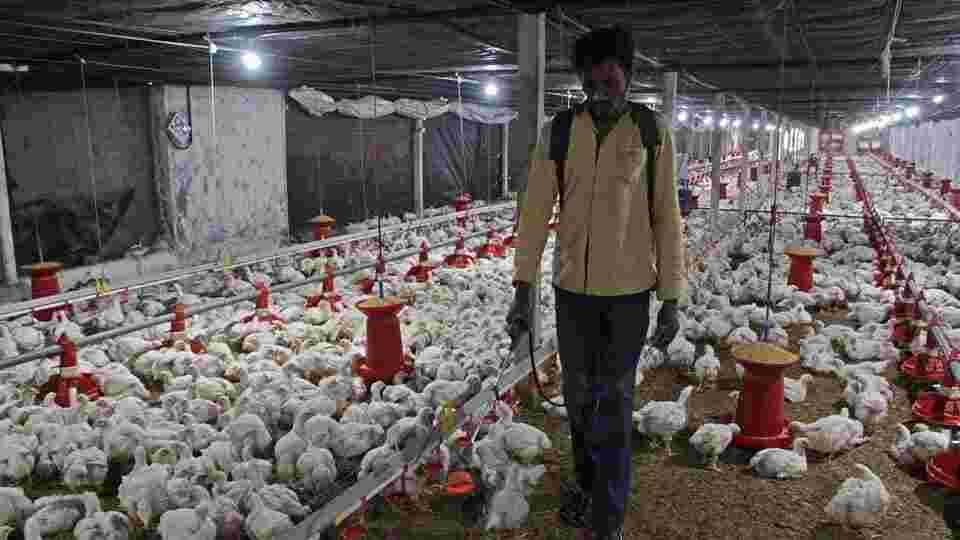
Started in 1979, CARI has been a part of developing poultry birds in the country. For this, the experts use selective breeding technique, where only superior quality of birds in a lot are mated together and propagated. The exercise requires breeding over generations to achieve better quality birds. The recent bird flu outbreak posed a threat to these birds.
Over 15,000 poultry farms, mostly in North Indian states of Punjab, Haryana, Uttar Pradesh, Uttarakhand, Bihar, Jharkhand and Chhattisgarh, have benefited from the superior quality poultry birds developed at CARI. These farms procure chicklings either directly from CARI or from private hatcheries linked to the institute.


