
 E-Paper



Do you really need three cameras on your phone? Many users don’t think so
Your phone may carry three cameras, but one often stays unused. Here's why many users question the purpose of the ultrawide lens.

 Prefer HTon Google


Open your photo gallery and scroll back a few years. You may notice something missing. Despite carrying a phone with three cameras, most people rarely use one of them. Smartphone makers keep adding more cameras, but many users may not need all of them. The third lens on the back of most phones, often the ultrawide camera, looks useful on paper. In daily use, it often sits idle.
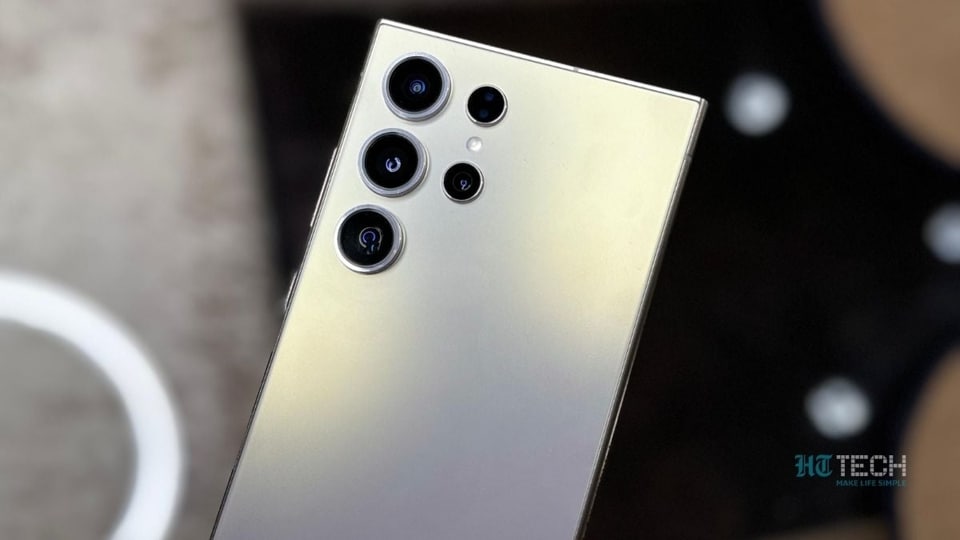

This question came up while going through years of stored photos. Among thousands of images, very few came from an ultrawide camera. That discovery raises a simple point: if people rarely use a feature, does it deserve space on a phone?
Also read: Vivo X200T launching in India on January 27: Check expected price, features and availability
How wide phone cameras already are
Most smartphones now ship with at least two rear cameras. One serves as the main camera, while the other offers an ultrawide view. Some phones also add a telephoto lens. What many users do not realise is that the main camera itself is already wide.
Early smartphones used wide lenses to cover more situations with a single camera. Devices such as the iPhone 4 and Galaxy S3 used lenses close to 29 mm in full-frame terms. In traditional photography, lenses under 35 mm count as wide. By that standard, phone cameras have always leaned wide.
When brands introduced dual cameras, they pushed this further. Phones like the LG G5 paired a main camera around 26 mm with an ultrawide lens near 9 mm. The goal was simple: fit more into the frame.
Also read: iPhone 17e: 6 Upgrades Apple may bring to its next mid-range iPhone
What ultrawide cameras promise
Ultrawide cameras aim to capture large scenes. They help when photographing landmarks, group events, or tight indoor spaces. Some users also rely on them for close subjects that do not fit into the standard frame.
Despite this, many people still ignore the ultrawide option. One reason lies in output quality. For years, ultrawide cameras lagged behind main cameras in detail and colour accuracy. Even today, the gap remains on many phones.
Another reason involves overlap. Modern main cameras have grown wider. Current phones from major brands use main lenses between 23 mm and 26 mm. That small step to an ultrawide lens often does not change framing enough to matter for everyday shots.
Also read: Realme P4 Power confirmed to launch in India on January 29: Check expected price, specs and more
A shift in camera choices
Some manufacturers have noticed this trend. Motorola released the Razr Plus (2024) without an ultrawide camera. Instead, it paired a main camera with a telephoto lens. Apple has taken a similar approach on past iPhone SE models and newer budget lines.
A different layout could make better use of space. A wide main camera combined with a telephoto system offering two zoom levels could cover more needs. This setup supports portraits, distant subjects, and everyday shots without relying on an ultrawide lens.


