
 E-Paper



Even with iPhone 17, Apple can’t match Samsung’s battery numbers: Here’s what new ratings reveal
New EU energy labels reveal some differences between top smartphone brands when it comes to battery longevity.


 Black
Black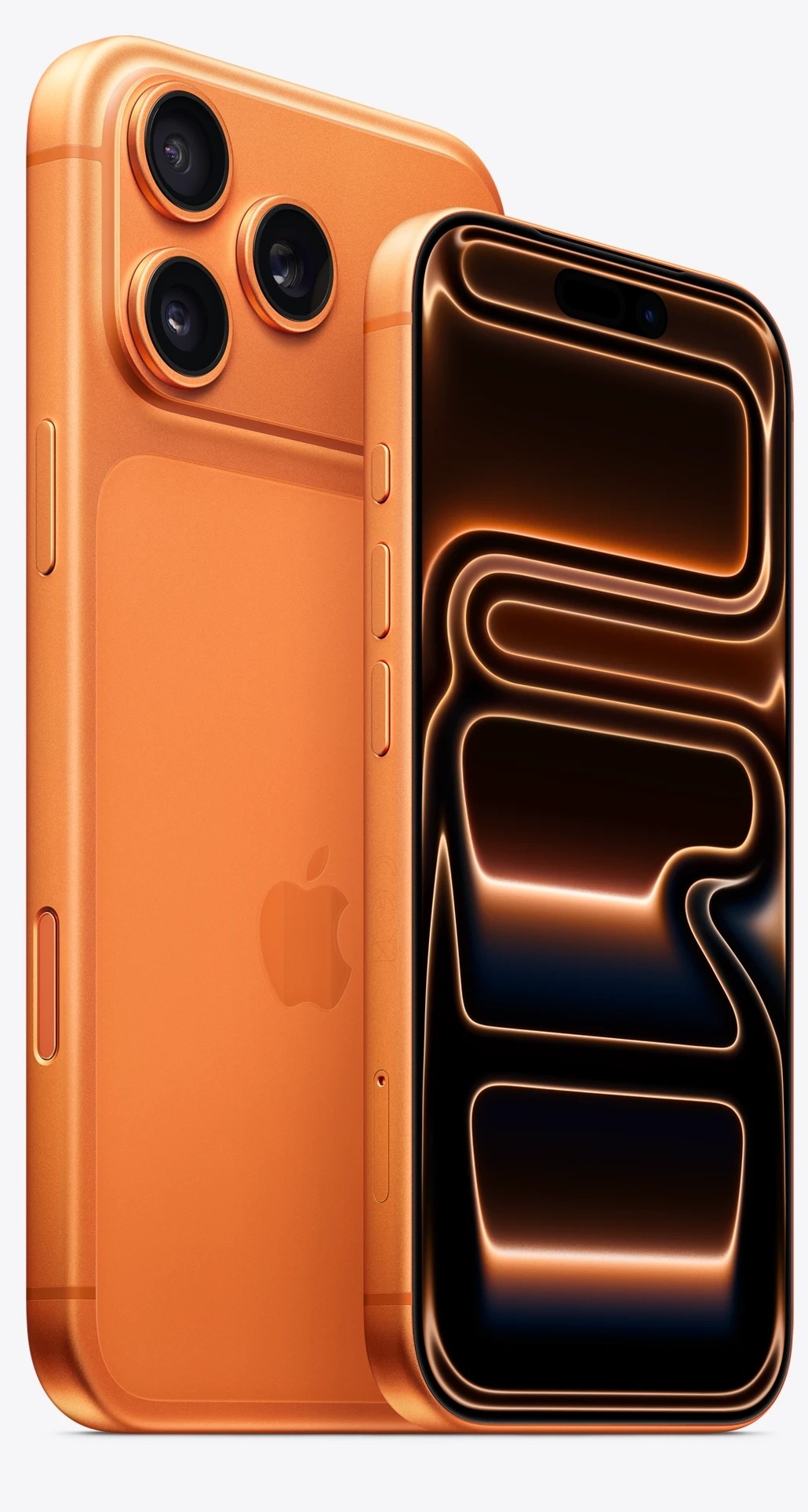


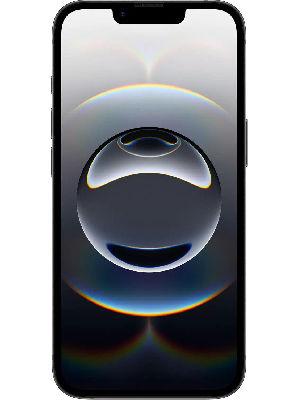

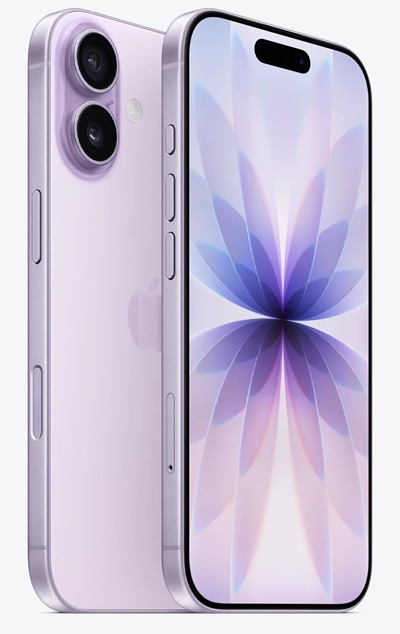
For buyers hunting for a new phone, battery life is always a concern but endurance over time matters just as much as a phone’s daily stamina. The latest EU energy labels which are now mandatory on phones sold in Europe, finally put hard numbers on how long batteries should last - not just on a single charge but over years of use. According to the official Apple documentation for the iPhone 17 series, including the standard 17, iPhone Air, 17 Pro, and 17 Pro Max, all four are rated for 1,000 charge cycles before their batteries dip below 80% health.


This standard holds true even for the thinnest model, the iPhone Air, and doesn’t change for variants with a physical SIM tray, aside from a very small battery size difference. For comparison, these numbers are the same as the rating seen for the iPhone 16 series, so users looking for a significant upgrade in long-term durability will be disappointed. Shoppers hoping the new iPhone line would finally rival other brands on this metric simply won’t find evidence for it in the official EU labels or supporting documents.
Samsung still ahead in terms of battery
Samsung continues to lead Apple on battery longevity, at least according to the information provided on EU energy labels and confirmed by Android Authority. Samsung’s latest flagship, the Galaxy S25, is rated for 2,000 full charge cycles before its battery’s capacity drops below 80%. That’s double what Apple promises with the iPhone 17 family, a number that has become a talking point among those comparing devices for long-term value.
Apple may be playing it safe with more conservative ratings while Samsung could be more optimistic or aggressively pursuing new battery chemistry. Either way, from a consumer’s perspective, the figures speak for themselves. The longevity difference is one area where Samsung has managed to keep a visible lead, while Apple focuses on power efficiency and a proven accessory ecosystem for daily top-ups. For those basing a purchase decision on how many times you can recharge before seeing real battery wear, the stats are clear: Samsung is out in front for now, as evident on both brands’ official energy labels and product support pages.


