
 E-Paper



iPhone 17 Pro vs Pro camera: What’s better for your Diwali photos?
Wondering whether to splurge on the latest iPhone 17 Pro for the best shots this festive season, or invest in a professional camera instead? Hear me out.

 Prefer HTon Google


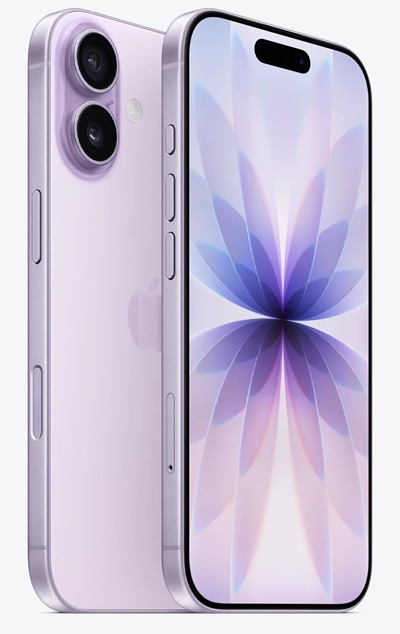

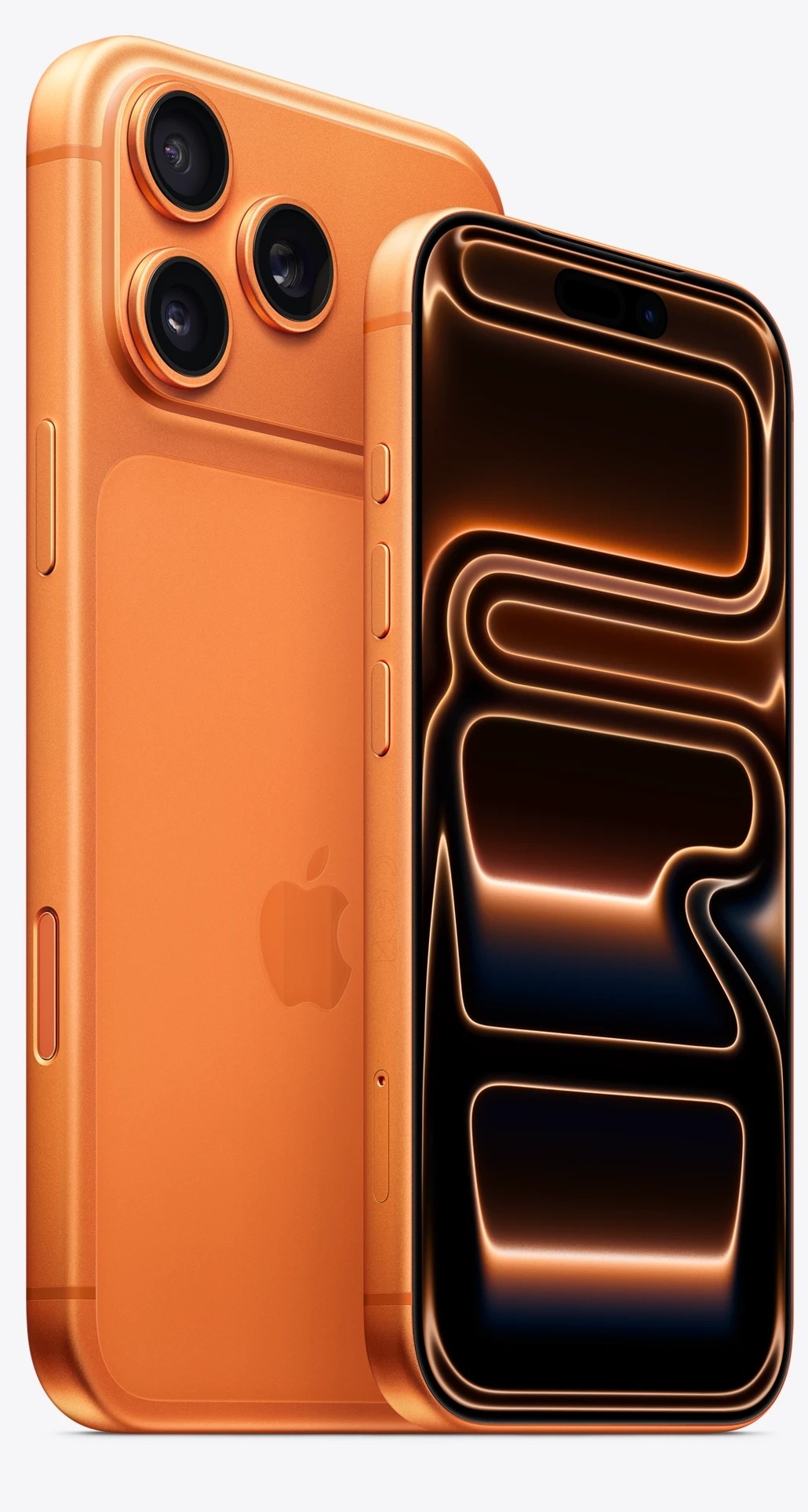


Diwali is just around the corner, bringing with it parties, lights, and plenty of moments worth capturing. And of course, having a good camera makes all the difference. For most people, a smartphone is the obvious choice, it’s convenient, easy to use, and always within reach. With today’s advancements in computational photography, features like Portrait Mode can mimic the look of professional shots impressively well. In fact, it’s often hard to tell the difference between photos taken on flagship phones, like the latest iPhone 17 or Vivo X200 series, and those shot with a Pro camera.
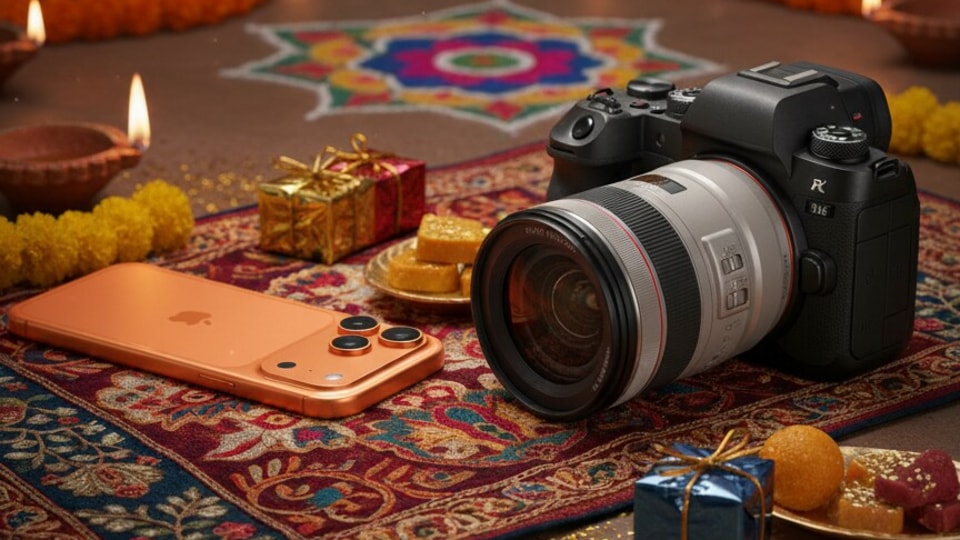

But here’s a thought: what if you skipped the newest flagship iPhone and instead invested in a proper camera for your festive photos? You could easily get a solid camera and a capable Android phone, or even a cheaper iPhone, for roughly the same price as an iPhone 17 Pro.
That idea got me thinking, and the more I weighed the pros and cons, the more I realised: it’s not as straightforward as it seems.
Buying a Camera for Festival Photos vs an iPhone 17 Pro: Pros and Cons
Pros:
- Superior Image Quality and Creative Control: While experienced photographers may already know this, it is worth exploring the details. With a professional camera, like a Canon R10 or R8, you have the ability to colour-grade and enhance your photos in software like Lightroom. The results will almost certainly surpass those from an iPhone 17 Pro. This comes down to simple physics: a larger camera sensor captures more light and detail, an advantage that even the most advanced computational photography cannot fully overcome. There is a professional camera look that is hard to beat.
- Compact and Stylish Options: Furthermore, not all dedicated cameras are cumbersome. Compact models like the Fuji X100VI or the Fuji XM5 are stylish, can fit into a jacket pocket, and will not look out of place. These cameras often feature built-in film simulations, allowing you to achieve the grainy, vintage aesthetic popular on Instagram without extensive editing, capturing that “old world charm.”
- The Value Factor: The iPhone 17 Pro is an expensive device, with prices starting at ₹1,34,900 and rising to ₹1,49,900 for the Pro Max model. For a similar investment, you could purchase a capable camera, such as the Canon EOS R10 or the Sony Alpha 6700, and still have enough funds for a decent Android phone (like the Vivo X200FE or OnePlus 13S) or even a less expensive iPhone model like the iPhone 16 during the ongoing festive sales.
- Authentic Bokeh (Portrait Mode): A major advantage of a real camera is the ability to produce natural “bokeh,” the aesthetically pleasing blur in the background of a portrait. Larger sensors and wide-aperture lenses create this effect organically. This means you no longer have to worry about the imperfect digital cutouts that smartphone portrait modes can sometimes produce around subjects like hair. With a proper lens, you simply need to focus correctly to achieve a genuine and superior portrait effect.
Cons
- Steeper Learning Curve: The most significant drawback is that dedicated cameras are not as easy to use. Unlike the simple point-and-shoot nature of an iPhone, they require a basic understanding of photography principles. Concepts like ISO, shutter speed, composition, and file types (JPEG vs RAW) can feel overwhelming for a beginner, and if you are just starting out, your family may not end up being too happy about blurry festive images (unless that’s the aesthetic that they are chasing).
- Inconvenient File Transfer: Getting images off the camera can be a cumbersome process. While most modern cameras offer wireless transfer, it is still slower than a smartphone's instant sharing capabilities. In a festive environment, friends and family often want photos immediately, perhaps via AirDrop. The process of transferring files from an SD card to a computer, then to your phone, before finally sharing them, can be a frustrating delay. On a smartphone, sharing is instant.
- Images Are Not “Social Media Ready”: Images straight from a camera often produce a more natural, less processed look. This can mean that highlights and shadows are not as perfectly balanced as they are in an iPhone photo, which uses heavy processing to ensure everything is evenly exposed. The “iPhone look” is popular precisely because of this processing. If you want that highly polished look, you will not get it directly from a camera without editing.
- Size, Weight, and Inconvenience: Finally, most dedicated cameras are heavy and can look out of place. Dressed in festive attire, carrying a large camera with a big lens may not be the best look and is certainly inconvenient. A smartphone, by contrast, slips easily into a pocket and gets the job done naturally.


