E-Paper



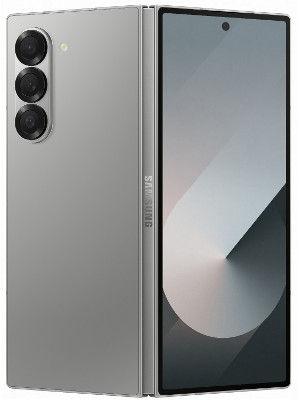
The Galaxy Z Fold8 Ultra shares a lot with the Z Fold7: What sets it apart?
The Galaxy Z Fold8 Ultra is more evolution than revolution. Here are the biggest upgrades Samsung has made over the Galaxy Z Fold7.

 Prefer HTon Google


The foldable smartphone category appears to be attracting more consumer interest than ever, with global shipments projected to grow by 21% YoY. It is shaping up to be a new status symbol. With rising demand and the threat posed by a prospective market player, Apple, it’s no wonder the stars have already aligned for Samsung to innovate its folding lineup and maintain its lead. That’s why the South Korean-based tech giant has launched not two, but three, foldable smartphones at the 2026 Galaxy Unpacked event.

One of the three devices, which is bound to receive the most limelight, is the standard Galaxy Z Fold8, or what we call the wide Z Fold8. It is the latest addition to the growing book-style foldable category, featuring a 4:3 internal screen. This change makes it well-suited to everyday tasks, such as watching a video or reading a book.
But what has really caught my attention is the Galaxy Z Fold8 Ultra. It retains much of the Z Fold7's familiar shape and dimensions, prompting the obvious question: does it offer enough meaningful improvements to justify the 'Ultra' badge, or is it simply an iterative refresh? So, let’s take a closer look at the Galaxy Z Fold8 Ultra and find out the answer.
Design and Display: Thin by design, tough by engineering
| Galaxy Z Fold8 Ultra | Galaxy Z Fold7 | |
|---|---|---|
| IP Rating | IP48 | IP48 |
| Thickness (when folded) | 8.9 mm | 8.9 mm |
| Thickness (when unfolded) | 4.1 mm | 4.2 mm |
| Weight | 215 grams | 215 grams |
| Internal Display Size | 8.0-inch QXGA+ | 8.0-inch QXGA+
|
| Internal Display Resolution | (2,504 x 2,256) Dynamic AMOLED 2X, 422ppi | (2184 x 1968) Dynamic AMOLED 2X, 368ppi |
| Internal Display Refresh Rate | 120 Hz adaptive refresh rate | 120Hz adaptive refresh rate |
| Cover Display Size | 6.5-inch
| 6.5-inch
|
| Cover Display Resolution | FHD+ (1,080 x 2,520) Dynamic AMOLED 2X, 422 ppi | FHD+ (2520 x 1080) Dynamic AMOLED 2X, 422ppi |
| Cover Display Refresh Rate | 120 Hz adaptive refresh rate | 120Hz adaptive refresh rate |
In terms of design, Samsung has kept the weight, IP rating, and thickness (when folded) of the Galaxy Z Fold8 Ultra unchanged from the Galaxy Z Fold7. That said, it has managed to shave 0.1 mm off the newest variant when unfolded, making it share the podium with the Honor Magic V5 as the slimmest foldable phone in the world when open.
While Samsung hasn’t introduced any substantial design updates, the display is where things start to differ significantly. Starting with a minor upgrade, the internal display in the Z Fold8 Ultra has a higher pixel density than that of the Z Fold7, making it sharper on paper.
The key improvement Samsung has brought to the main display of its latest foldable is a more durable internal structure. With the new Flex Titanium technology, the brand has focused on enhancing the internal screen's longevity and reducing crease visibility. It does so by incorporating a titanium-alloy film beneath the OLED panel and a new titanium plate beneath the OLED-titanium stack.
Besides, Samsung has added a low-reflection display finish to the Z Fold8 Ultra's internal screen, making it easier to use even in outdoor settings.
Cameras: Incremental changes, practical gains
| Galaxy Z Fold8 Ultra | Galaxy Z Fold7 | |
|---|---|---|
| Primary Camera | 200 MP with f/1.7 and OIS | 200MP with f/1.7 and OIS |
| Ultra-wide Camera | 50 MP, FOV: 120°, with f/1.9 | 12 MP, FOV: 120°, with f/2.2 |
| Telephoto Camera | 10MP, 3x Optical Zoom, with f/2.4 | 10MP, 3x Optical Zoom, with f/2.4 |
| Front Camera | 10 MP with f/2.2 | 10 MP with f/2.2 |
| Internal Camera | 10 MP with f/2.2 | 10 MP with f/2.2 |
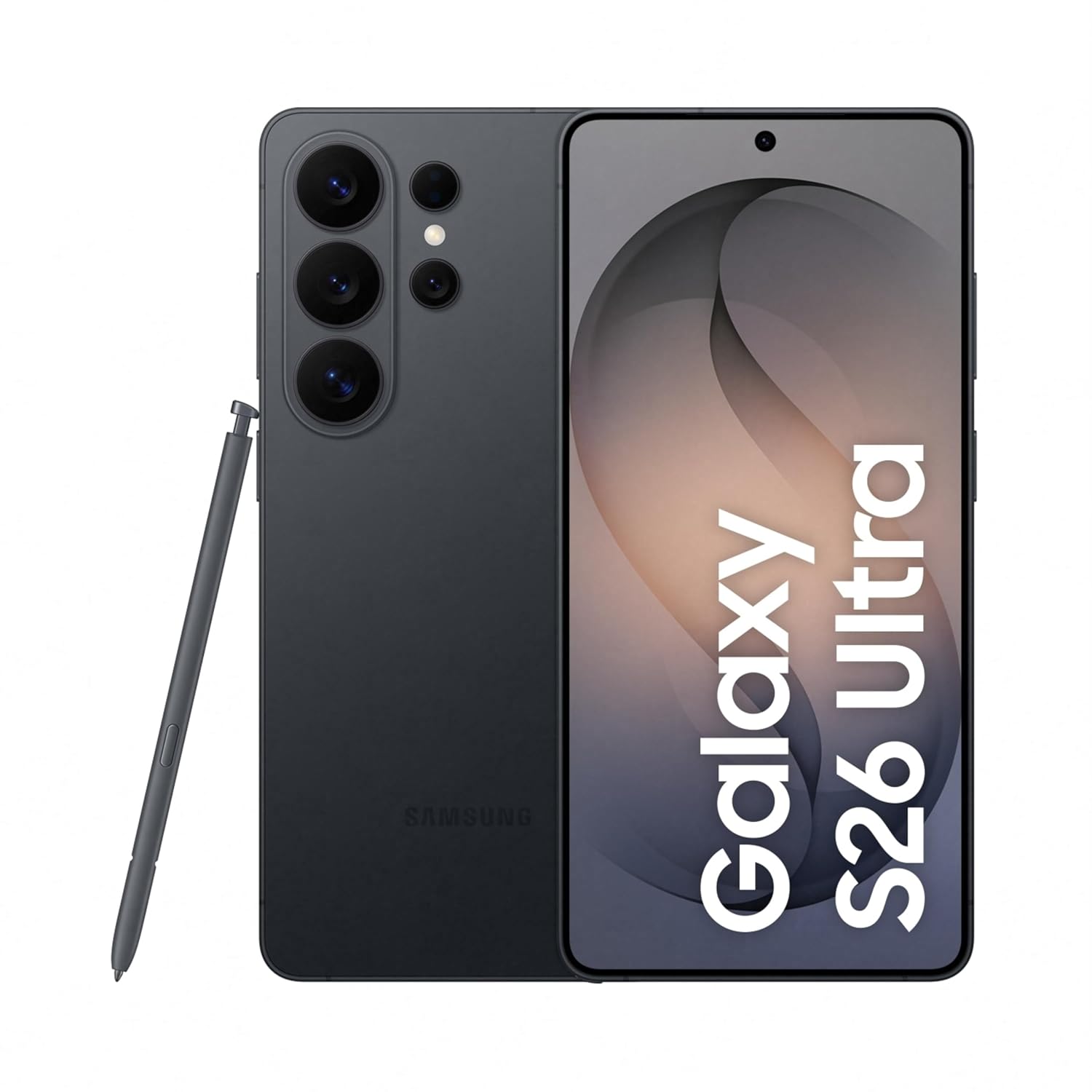
Again, Samsung hasn’t significantly overhauled the Z Fold8 Ultra’s camera setup compared with its predecessor, mirroring its approach to design. One notable change the brand has introduced is a higher-resolution ultra-wide sensor. It can now capture more detail in wider scenes and macro shots, and with a wider aperture, it can deliver brighter photos in low-light conditions. Another upgrade is that the Z Fold8 Ultra can also record 8K video using the new APV codec, like the Samsung Galaxy S26 Ultra.
Performance and Battery: More power, longer endurance
| Galaxy Z Fold8 Ultra | Galaxy Z Fold7 | |
|---|---|---|
| Processor | Snapdragon 8 Elite Gen 5 | Snapdragon 8 Elite |
| Battery | 5,000 mAh | 4,400 mAh |
| Charging | 45W | 25W |
As the latest and greatest, the Z Fold8 Ultra comes equipped with the Snapdragon 8 Elite Gen 5 processor, the same SoC as the Galaxy S26 Ultra. For those interested, Samsung's latest foldable can offer approximately a 21% boost in CPU performance and a 27% gain in GPU performance compared with its predecessor. That said, regular Z Fold7 users won’t notice a significant jump in performance, as the Snapdragon 8 Elite remains one of the most capable processors for handling any workload.
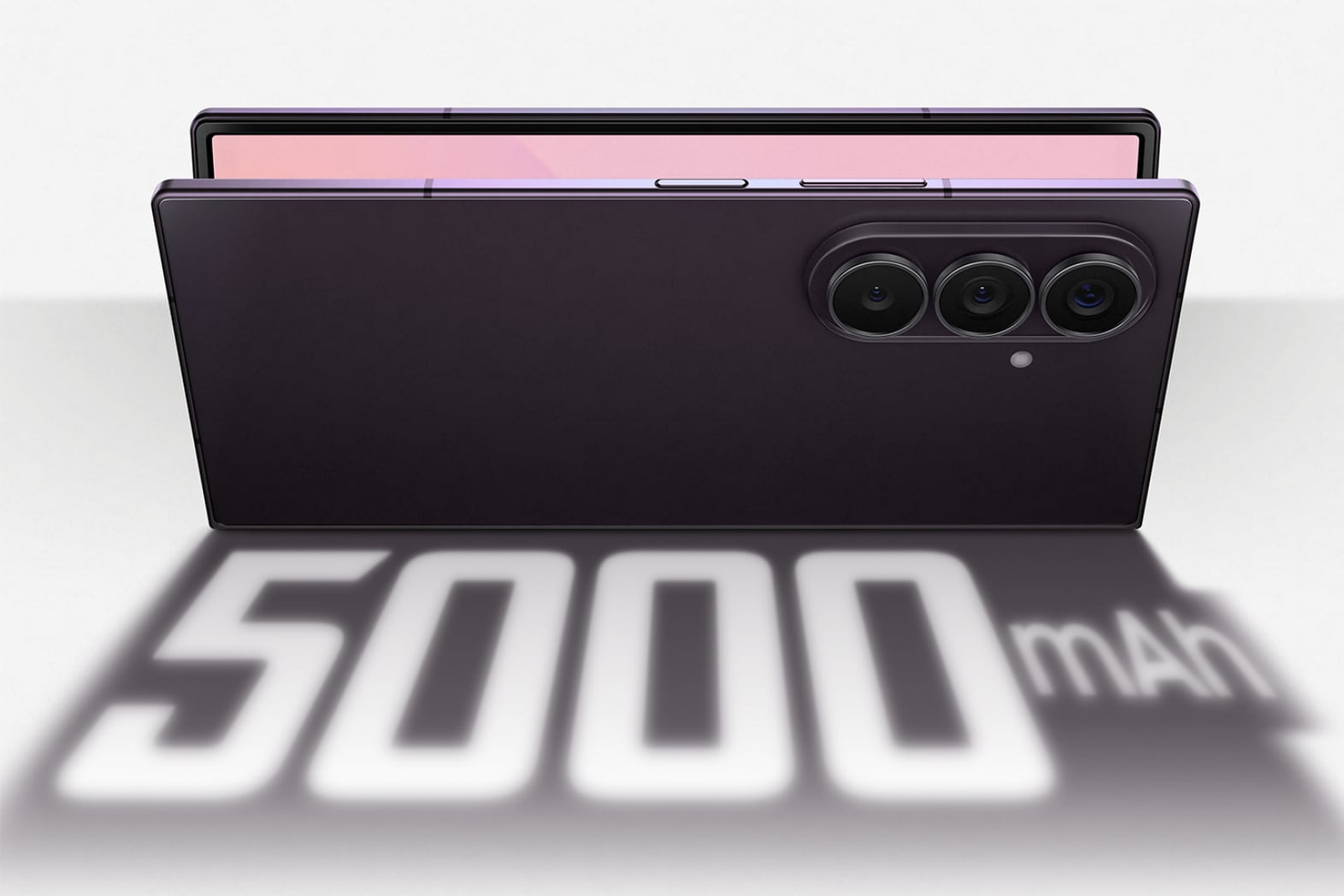
What they and, actually, everyone will notice is that the Z Fold8 Ultra might last longer than the previous generation, thanks to 13% more battery capacity. Samsung’s latest foldable will also charge faster, now supporting 45W wired charging.
Software: Smarter, not necessarily newer
Samsung has also brought the latest Galaxy AI features from the Galaxy S26 series to the Z Fold8 Ultra. These include Now Brief, Now Nudge, Gemini Intelligence, and Gemini Notebook.
Now Brief delivers personalised updates based on a user's routine, while Now Nudge suggests relevant actions from ongoing conversations. Samsung has also expanded Gemini Intelligence to work across more than 40 apps and services. Gemini Notebook, meanwhile, combines notes, images, recordings, and documents into a single AI-powered workspace.
The catch is that none of these features appears to require significantly more processing power. They rely largely on software and cloud-based AI models. I feel the Galaxy Z Fold7 is just as capable as the latest variant of running them too. But Samsung appears to keep them exclusive to the Z Fold8 Ultra for now.

You may be interested in