
 E-Paper



Yuval Noah Harari on the economic and political perils of AI
Humanity must not entrust its lot to clever machines, the bestselling historian warns


 Prefer HTon Google


YUVAL NOAH HARARI describes himself as a historian who studies not the past but change. His first blockbuster book, “Sapiens”, applied that lens to the broad span of human history. The second, “Homo Deus”, looked at religion’s role in building humanity. His most recent work, “Nexus”, examined how the control of information has changed the course of history—and how artificial intelligence could shape the future.
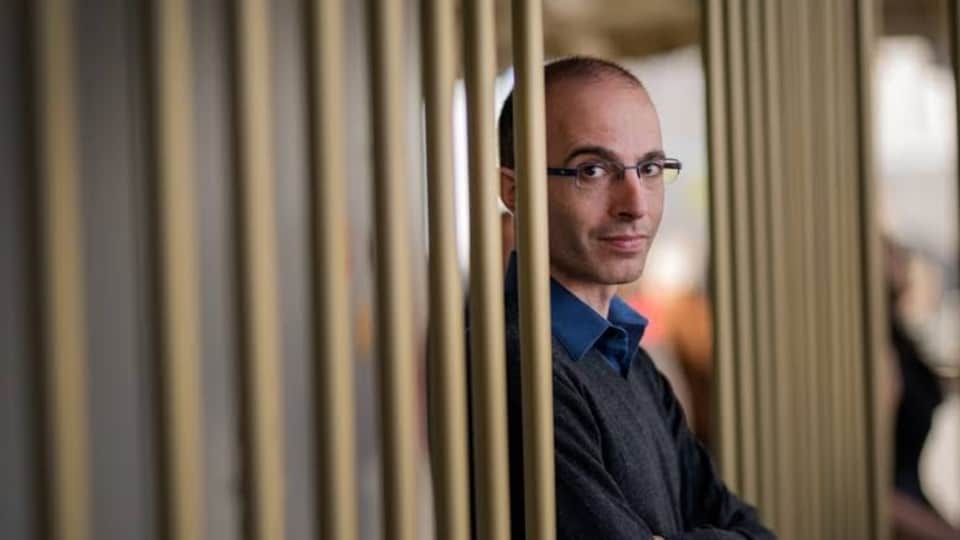
In a wide-ranging interview for The Economist’s Insider show, Mr Harari warns that AI’s biggest impact may be the way it reshapes trust, “the most important asset in the world”. Much of modernity is underpinned by systems that allow trust to operate at scales unimaginable in the prehistoric world. Money is a “very creative, imaginative way to build trust between strangers”: people happily hand over valuable goods in exchange for nothing more than a promise that someone else will do the same in turn. “Bankers, if they are good bankers doing their job, they build trust.”
Handing powerful AI control of the financial system looks almost inevitable, Mr Harari reckons. AI systems will soon be capable of understanding the totality of the global economy in far greater detail than a human ever could. The pressure for humans to place more trust in AIs will thus grow over the next few years, Mr Harari expects. He points to the rise of cryptocurrencies—“AI money”, as he puts it. Many people have more faith in the bitcoin algorithm than even in those good bankers. As people lose faith in the media, he adds, they happily consume algorithmically curated feeds on digital platforms (think TikTok or Instagram).
The paradox is that individual humans’ growing trust in their personal interactions with AIs could eventually lead to distrust of the techno-financial system to which those interactions ultimately lead. That is because people will have no way of inferring how and why AIs make decisions. “The human financial system controls the lives of cows and chickens, but the cows and chickens have no idea that finance even exists,” he says. “This is likely to be our position in ten years.”


