E-Paper



90s nostalgia: When childhood meant outdoor games, dusty evenings and real friendships
In the 90s and early 2000s, childhood evenings were spent on streets and grounds where outdoor games shaped friendships, habits and memories.

 Prefer HTon Google


Imagine it is the 90s or the early 2000s. School bags are thrown into a corner, uniforms changed in a hurry and the only deadline that matters is reaching the ground before sunset. Streets echo with laughter, arguments and the thud of a rubber ball hitting the wall. Childhood, back then, lived outdoors.
Evenings belonged to the streets
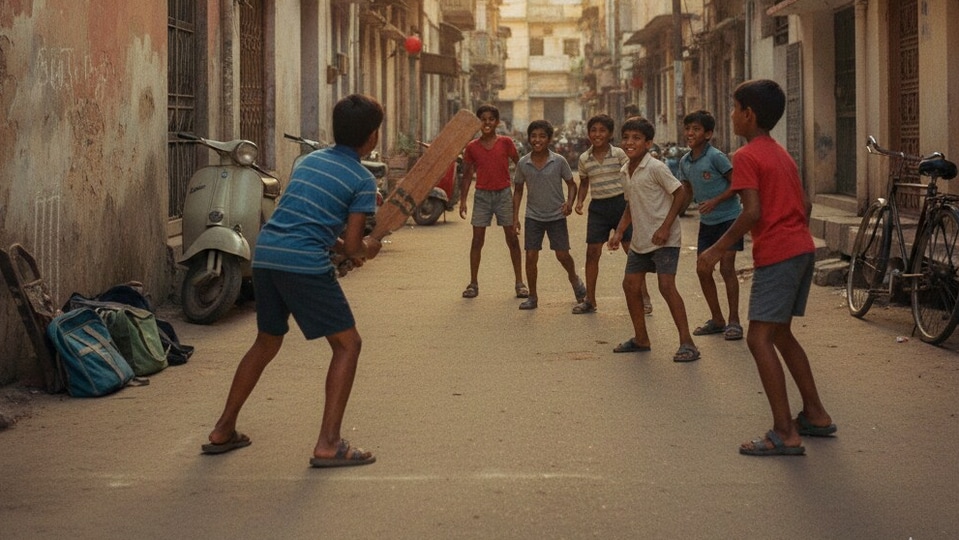
For many children of that era, evenings were not planned around screens but around play. Gully cricket matches stretched endlessly until a broken window or an angry neighbour ended the game. Hopscotch squares drawn with chalk marked permanent territories on the street. Hide and seek turned entire neighbourhoods into playgrounds where every staircase and parked scooter became a hiding spot.
Winning or losing mattered, but what mattered more was being part of the group. Friendships were forged through scraped knees, shared water bottles and debates over rules that were often invented on the spot.
Games that shaped a generation
Each region had its favourites, yet the spirit was universal. Lagori taught teamwork and quick thinking. Kho kho sharpened speed and focus. Kabaddi matches in dusty grounds tested stamina and courage. Even simple games like marbles or spinning tops came with their own codes of honour and pride.
These games required no equipment beyond imagination and energy. A stick could become a bat, stones could mark wickets and boundaries were decided by mutual consent. Play was creative, flexible and deeply social.
Learning beyond classrooms
Outdoor games quietly taught life lessons. Children learnt how to negotiate, accept defeat and stand up for themselves. Conflicts were resolved face to face, not behind a screen.
Parents rarely worried about where their children were because everyone knew everyone. The entire neighbourhood became a shared space of trust and watchfulness.
From grounds to screens
Today, childhood looks different. Free time is often spent scrolling, tapping and swiping. Playgrounds exist, but they are quieter. Conversations have shifted from who is batting next to which game was downloaded last night.
As nostalgia takes over, those outdoor games remain more than memories. They are reminders of a slower, more connected childhood that many still wish could make a comeback.