E-Paper



Chinese zoo dresses up baby chimp in clothes and braids to look like a little girl, faces backlash
A Chinese zoo faced backlash after dressing a baby chimp in a dress and braids, raising concerns about the animal’s well-being.

 Prefer HTon Google


A zoo in central China has become the centre of online controversy after it was revealed that a baby chimpanzee was dressed in a dress and had its hair braided to make it appear like a little girl, according to a report by South China Morning Post.
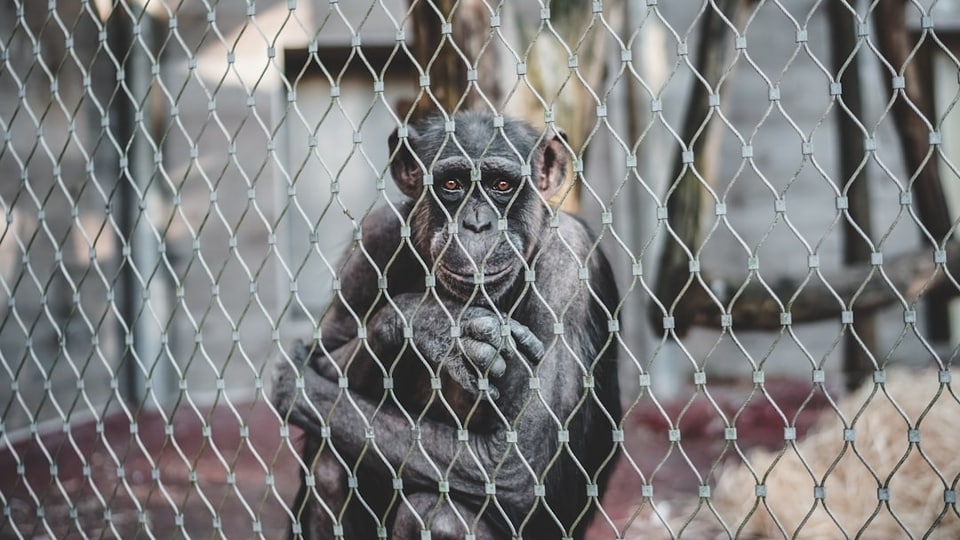
Qixi: The baby chimp who captured hearts
The eight-month-old chimpanzee, nicknamed Qixi, was born and raised at the Hesheng Forest Zoo in Qinyang, Henan province. The adorable chimp has become an online celebrity, winning the hearts of many visitors who treat her like a human baby, interacting with her in ways typical of human infants.
(Also read: China zoo hosts adorable birthday bash for walrus; animal blows out candle and melts hearts online)
Qixi has been the subject of viral video clips, which show her dressed in girls’ clothing with her hair braided. In these clips, she is often seen in a cot surrounded by toys or sitting in a stroller, holding a rubber dummy in her mouth. Visitors are seen shaking hands with the young chimp or even carrying her around for photos.
Zoo’s explanation
An animal keeper from the zoo explained the decision to dress Qixi, stating that the clothes were meant to keep the chimp warm, while the braids were intended to enhance her appearance. “Besides, the hair is so long that it covers its eyes,” the keeper was quoted as saying.
The keeper also reassured the public about the chimp’s care, noting that Qixi is regularly bathed and taken out for sunbathing. The zoo claims to disinfect visitors after their interactions with the chimp to maintain cleanliness and safety.
Concerns over dressing up a chimp
However, not everyone agrees with the zoo’s approach. Sun Quanhui, a scientist from the animal charity World Animal Protection China, raised concerns over the practice. He pointed out that orangutans, like Qixi, have dense hair which helps regulate their body temperature, and dressing them in clothes could interfere with this natural process.
(Also read: Tiger pee for rheumatoid arthritis? China zoo sells animal urine for ₹600, claims medicinal use)
Sun further expressed concerns over Qixi’s living conditions, saying that orangutans are social animals and live in groups in the wild. He warned that the zoo’s practices, such as dressing Qixi in clothes and allowing constant interaction with visitors, could harm the chimp’s mental well-being. "It is the zoo’s mission to respect the desires of animals and to build a diversified and nature-like environment," Sun stated.
He also criticised the zoo’s actions, suggesting that such practices send a harmful message, portraying animals as mere sources of entertainment.