E-Paper



Founder refuses to give up India passport despite 9 years in Germany: ‘I am Indian’
An entrepreneur and researcher has explained why he refuses to give up his Indian passport in spite of living in Germany for nearly a decade.

 Prefer HTon Google


An entrepreneur and researcher has explained why he refuses to give up his Indian passport despite not having stayed in the country for the last nine years. Mayukh Panja has spent nearly a decade in Germany – first as a doctoral researcher, then as an employee, and now as the founder of AI firm Populations.
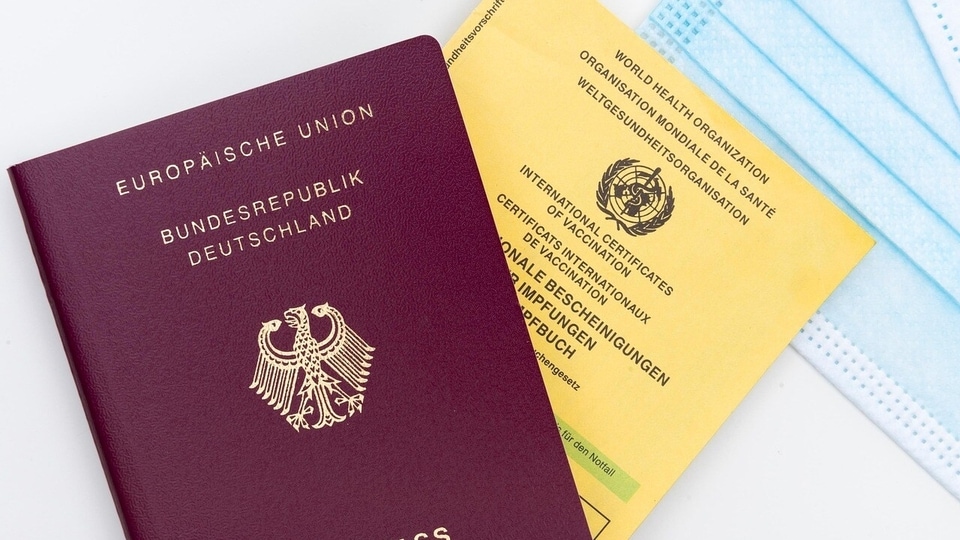
In a post shared on the social media platform X, Panja revealed that he is eligible to apply for a German passport. However, he prefers to hang on to his Indian citizenship.
“I don’t feel German”
Panja’s reasons for refusing to give up his Indian passport are multifold. At its core, however, it boils down to the fact that he does not feel German.
“I have been here 9 + years and I became eligible for the German passport a year back. I could have applied for citizenship a year ago, but I did not,” Panja said.
“I have thought about this a lot and I am increasingly coming to the conclusion that I can’t do this. Because I don’t feel German. (Also read: Indian man quits high-paying job in Germany to sell dosa. Now runs restaurants in Paris, London, Pune)
“I know it is only a document, but at the end of the day I am Indian and it would feel odd to become German.”
A friend of Germany, but not German
Panja said that while he can understand German stories, history, language and culture, he can’t genuinely relate to them. He blends in well in international, culturally mixed spaces in Berlin and in tech or scientific circles, but beyond that he struggles to integrate.
As a small example, he said that when Germany wins or loses a football game, he is indifferent. On the other hand, India winning the world cup makes him euphoric.
“I see myself as a friend of Germany but never truly one of Germany. It is a subtle but important distinction,” he explained.
The core issue
Panja said that if he became a German citizen, he would be expected to align his ideals, values and ethos with those of Germany — and rightly so. He himself wouldn’t feel comfortable becoming a new citizen and then expecting a culture built over centuries to adapt to his preferences.
In India, however, even if his views differ from the majority, he feels entitled to hold his ground and push for what he believes in. He is a part of India, and by definition his opinions are Indian opinions — people may not like them, but they are his right to have.
“In India, even if my opinions do not resonate with the overwhelming majority I feel entitled to stand my ground and try to nudge things towards what I feel. I am a part of India. My opinions are by definition Indian opinions,” he wrote. “An Indian passport lets me have that entitlement.”
(Also read: NRI shares challenges after moving back to India: ‘4–5 hours of power cuts a day’)