
 E-Paper



Investment banker explains why ₹70 LPA 'feels middle-class' in India: 'International costs but broken infrastructure'
In his post, Ahuja stated that even an annual package of ₹70 lakh may not guarantee dignity or comfort for middle-class families.

 Prefer HTon Google


A LinkedIn post by investment banker and financial advisor Sarthak Ahuja has sparked an online discussion after he stated that living in India’s top metros is as costly as San Francisco and Dubai, and that even an annual package of ₹70 lakh may not guarantee dignity or comfort for middle-class families.
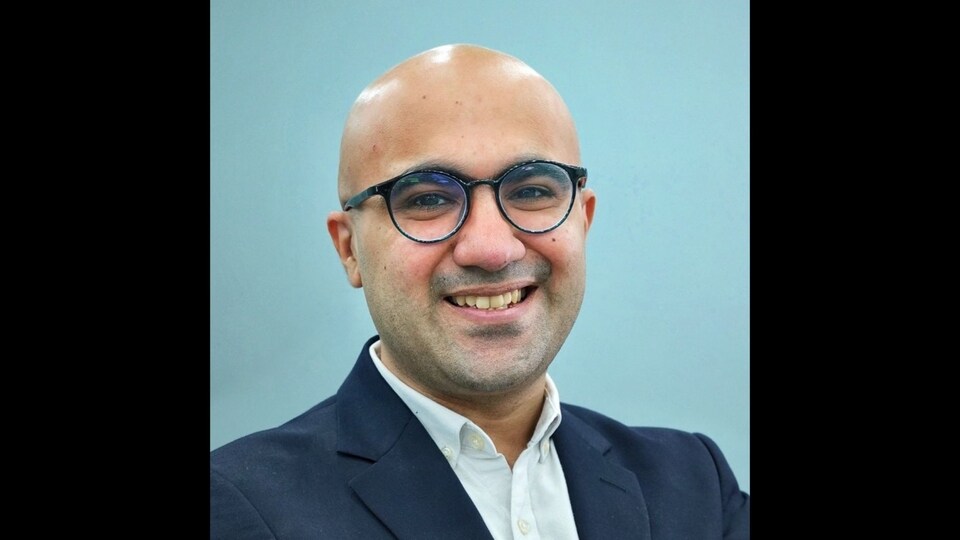
Taking to LinkedIn, Ahuja wrote that many of his friends visiting from San Francisco, Hong Kong, Dubai and Switzerland are often stunned to discover that their spending on eating out, deliveries, grooming or day-to-day conveniences in India is nearly the same as what they pay abroad. At first, he says, the comparison seemed exaggerated, until he began breaking down why the cost of living in Indian metros feels completely detached from the country’s inflation numbers.
Ahuja explained that despite India recording 0.25% CPI inflation in October 2025, possibly one of its lowest in years, the headline numbers are “masking the reality” of urban inflation.
“Almost 79 crore people in India (over 55% of the population) receive subsidised food grains, at almost ₹2-3 per kg... which is possibly below the cost price for the government. 56% of the enrollment in education in India is in government schools, where education is free...And 86% people in India have a house of their own and don't need to pay rent, thus, housing inflation doesn't hit them... (95% of the rural have their own house, while only about 70% of the urban population),” he wrote.
“These figures keep national inflation low,” Ahuja said, adding, “but the lived experience of an urban middle-class household is nowhere represented”.
(Also Read: American woman living in India compares everyday prices, says life is ‘far more affordable here’ than in US)
Why does ₹70 LPA ‘feel middle-class’?
For metro-city residents without inherited homes or subsidised services, Ahuja said that inflation feels closer to 10–15% annually. He pointed to rapid price escalation across key sectors, including private schools, quick commerce platforms and healthcare.
“In the past one year, private schools have increased their fees by 10-20%, and by 169% over the past decade...Quick commerce has led to price increment in groceries by over 20% to account for deliveries, warehousing, convenience expenses. healthcare inflation is easily upwards of 10% in hospital expenses and tests at private institutions,” he said.
Ahuja argued that social media-driven lifestyle pressures and the lack of affordable urban infrastructure exacerbate the squeeze. “If you live in Gurgaon or Mumbai today, you live in a city with international costs and deplorable infrastructure and air to breathe. Which is why, I continue to believe, that even at ₹70L annual package in a metro city of India, your life experience and happiness levels continue to be middle class,” he wrote.


