
 E-Paper



Man discovers ₹1.6 lakh worth of gold particles in duck’s stomach in central China village
The unusual incident happened in February in Longhui County in Hunan province.

 Prefer HTon Google


A man in central China was left surprised after he found gold worth about 1.6 lakh rupees inside a duck’s stomach while slaughtering the bird.
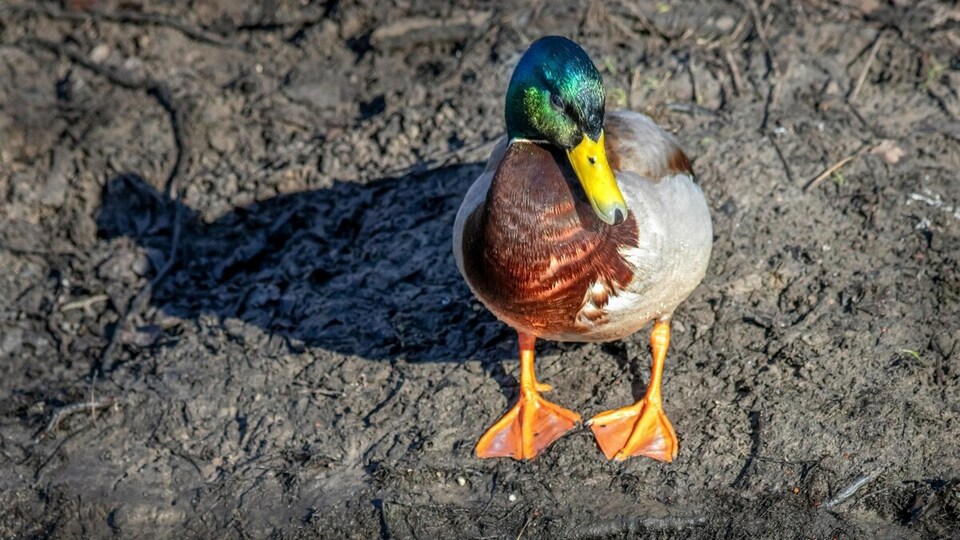
According to a report by the South China Morning Post, the unusual incident happened in February in Longhui County in Hunan province. A villager surnamed Liu said he noticed several small particles in the duck’s stomach.
Curious about the strange pieces, Liu carried out a burning test. The particles were later confirmed to be genuine gold.
Mainland media outlet Xinwenfang reported that the gold weighed about 10 grams and was valued at nearly 12,000 yuan, which is about 1.6 lakh rupees.
Liu’s father considered the discovery a sign of good luck for the coming year.
Gold likely swallowed while feeding:
According to Liu, the duck likely swallowed the gold while feeding near a river close to the village. The family raises ducks free range, and the birds often search for food in mud and soil along the riverbank.
The river was once known for gold mining, which could explain how small particles of the metal ended up in the environment.
Experts say the body cannot digest or absorb gold. Instead, it usually passes through the digestive system without causing harm. However, larger pieces or impure gold could still lead to problems such as intestinal blockages or poisoning in both animals and humans.
Liu said his discovery is rare but not entirely unheard of in the area. He added that other villagers had previously found gold particles in ducks, although none had discovered as much as he did.
Officials seek verification of gold:
Some internet users questioned whether the story is real. In response, the Longhui County Natural Resources Bureau told Jiupai News that further verification by a professional institution is needed to confirm whether the particles are indeed gold.
Officials also said such discoveries are possible because gold has been found in the area before. Villagers reportedly collected more than 10 grams of gold while washing sand from the same river last year.
The Chenshui River, which flows from north to south through the county, was once known for its gold deposits. From the 1970s to the 1990s, the river attracted many people hoping to find gold, leading to a local gold rush. Authorities later banned private gold mining in the area.
Under Chinese law, all underground resources, including minerals and cultural relics, belong to the state. Authorities said determining ownership of the gold found in the duck could be difficult.
Interestingly, the discovery also echoes a practice from the Tang dynasty between 618 and 907, when farmers sometimes collected gold particles from the faeces of ducks and geese.


