E-Paper



'Most difficult decision of my life': Typhoon Yagi compels Thai crocodile farmer to kill 125 reptiles
A Thai crocodile farmer killed over 100 Siamese crocodiles to prevent escape after Typhoon Yagi damaged their enclosure, prioritising community safety.

 Prefer HTon Google


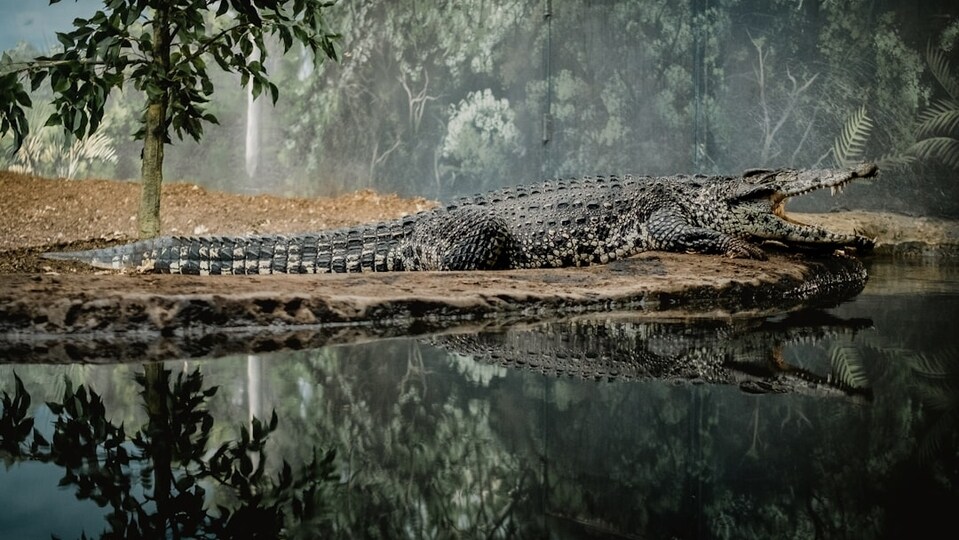
In a tragic turn of events, a crocodile farmer in northern Thailand, known as Natthapak Khumkad or “Crocodile X,” has made the agonising decision to euthanise over 100 critically endangered Siamese crocodiles. The drastic measure was taken to prevent the reptiles from escaping into the surrounding community after Typhoon Yagi severely damaged their enclosure. The typhoon brought heavy rainfall, resulting in rising waters and eroding walls, posing a significant threat to public safety.
(Also read: Man's hair-raising encounter with Henry, world's oldest crocodile, terrifies internet. Watch)
“I had to make the most difficult decision of my life to kill them all,” Natthapak, 37, told CNN. “My family and I discussed if the wall collapsed, the damage to people’s lives would be far bigger than we can control. It would involve people’s lives and public safety.”
Typhoon Yagi causes chaos
On September 22, as the storm battered the region, Natthapak took swift action, euthanising 125 crocodiles within 24 hours. Typhoon Yagi, deemed the most powerful storm in Asia this year, has already claimed at least nine lives in Thailand alone. Experts attribute the increasing severity of such storms to climate change.
“Storms like Yagi are getting stronger due to climate change, primarily because warmer ocean waters provide more energy to fuel the storms, leading to increased wind speeds and heavier rainfall,” explained Benjamin Horton, director of the Earth Observatory of Singapore.
The growing threat of climate change
The impact of climate-induced disasters on wildlife is profound, with flooding capable of separating animals from their families, drowning them, or destroying their habitats. This year’s unprecedented downpours have underscored the risks, as seen recently in Gujarat, where dozens of crocodiles were spotted in urban areas, prompting rescues to return them to their natural habitats.
Natthapak’s farm, operational for 17 years, had weathered numerous rainy seasons until this year’s relentless rains eroded the walls of the crocodile enclosure. “I had to make a decision in less than 24 hours when I saw the erosion progress rapidly,” he recounted, revealing that he resorted to electrocution to euthanise the crocodiles.
(Also read: Cars protect bikers from super typhoon Yagi's fury in Vietnam. Heartwarming video)
Community safety comes first
Pornthip Nualanong, chief of Lamphun’s fishery office, praised Natthapak’s actions as “brave and responsible,” stressing the potential danger if adult crocodiles escaped into nearby paddy fields. Among those euthanised was Ai Harn, the oldest male crocodile and pack leader, renowned for his size and breeding prowess.
Despite their commercial value, the wild population of Siamese crocodiles has plummeted due to hunting and large-scale farming practices, with estimates suggesting only a few hundred remain in their natural habitat. In Thailand, crocodile farming generates an estimated 6 to 7 billion Thai baht (over ₹18,000 crore) annually, highlighting the complex relationship between conservation and commerce.