
 E-Paper



Realistic reborn baby doll craze grips Brazil, sparking heated debate: 'Real children are more...'
The rise of lifelike “reborn” baby dolls in Brazil has triggered emotional reactions, viral videos, and even political disputes.

 Prefer HTon Google


Brazil is witnessing a unique cultural and political moment as hyper-realistic “reborn” baby dolls gain massive online popularity and stir heated discussions in legislative halls, according to a report by the New York Post.
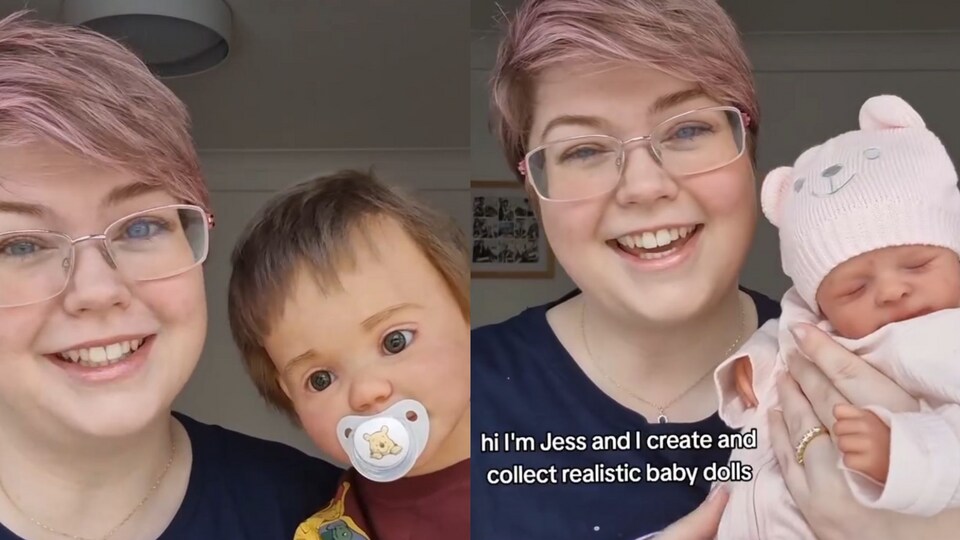
These hand-crafted dolls, often used for grief therapy or parenting practice, have become a social media trend. Influencers are staging dramatic scenes like simulated births and casual outings in shopping malls with the dolls, drawing millions of views.
Sparks political debate
In Rio de Janeiro, the city council has passed a bill to honour the artists who create these dolls. It awaits approval from Mayor Eduardo Paes. Meanwhile, in other parts of the country, lawmakers are proposing fines for individuals who attempt to seek medical treatment for the dolls. The move follows a viral video that allegedly showed a woman bringing one to a hospital.
Politicians have even brought the dolls into legislative chambers. In Amazonas, state lawmaker Joao Luiz appeared with a reborn doll in the State House this week to push for a ban on offering public healthcare services to them. However, local media clarified that no such incidents have ever been officially recorded by health authorities.
The issue has sparked criticism among politicians as well. Congresswoman Talíria Petrone voiced her frustration with the attention the matter is receiving. “Can we focus on what really matters? If someone wants to have a doll, let them. I have two real children and they’re more than enough work,” she said.
Despite the political debate, the community around these dolls remains strong. Over the weekend, dozens of reborn doll enthusiasts gathered for the 10th annual meet-up in Villa Lobos Park, Sao Paulo. Many attendees defended the practice, saying criticism should be directed at attention-seeking influencers, not the broader community of collectors and caregivers.
Berenice Maria, a nursing assistant and longtime reborn doll owner, finds emotional solace in them. “I love reborns, despite the hate we see out there,” she said. “I want the right to go out with them … go to the mall, go to the park.”
Daniela Baccan, who co-owns a reborn doll shop in Campinas, said the dolls range in price from 700 reais (approx. ₹11,800) to nearly 10,000 reais (approx. ₹1.7 lakh). While controversy has led to increased security concerns, it has also boosted business.
“We’re locking up the store more, adding cameras,” said Baccan. “But at the same time, online demand has increased, and the store is seeing a much higher flow of people.”
Also read: Trump biographer's bombshell claim on why US President hates Harvard: 'He didn't get...'


