
 E-Paper



Spot spotted on the spot!
No this is not some tongue twister game, rather a celebration of a milestone achieved in aerospace; for India launched commercial imaging satellite Spot-6 that enables precise imaging of different locations on the earth.


Happened on 9th September 2012
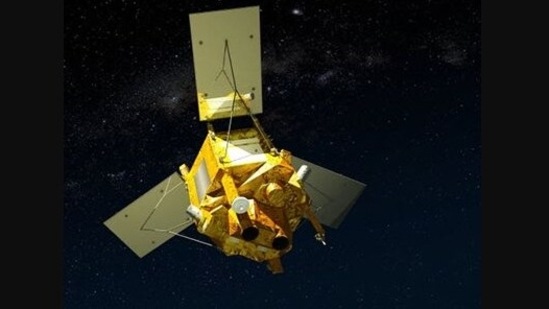
To date, this has been the top space technology in terms of resolutions offering continuity of earth optical imaging service. This satellite, launched with a microsatellite, carries two identical Korch telescopes at an orbital height of 694 km. It weighs about 800kg.
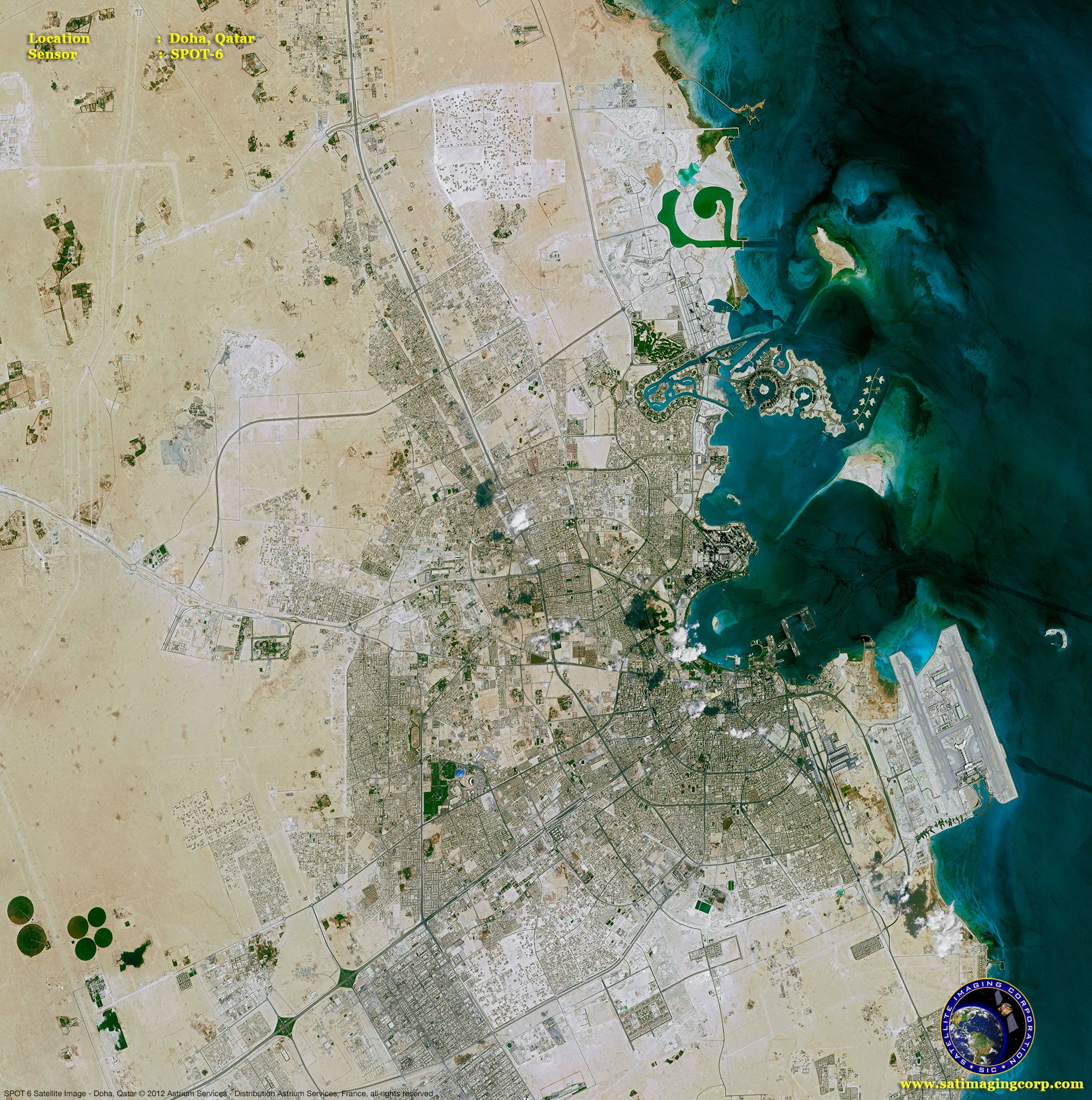
The scope of this imaging product is 1.5 meters in panchromatic resolution and 6 meters in multispectral resolution, with applications in defence, agriculture, deforestation, environmental monitoring, coastal surveillance, engineering, oil, gas, and mining.
For regularity and accuracy, it primarily looks for the earth's surface and surroundings over a wider area with simple data handling and high-resolution images. Using the 60 km swath already acquired on old satellites, this new satellite extends up to the large strips of 600 km in its nominal acquisition.
Furthermore, both the ground and space segments have been designed to give improved results, especially in terms of tracking, collection, and delivery of results. The SPOT-6 satellite designed by ASTRIUM SAS and operated by Airbus Defence and Space is of such structural significance.
With a service life of 10 years, SPOT-6 will be able to cover three million square kilometres of the Earth per day.
Having taken off on the 100th mission, this is how India accomplished a century in aerospace. Certainly, it had to be a resolute move.
It was with fingers crossed and high hopes that the spacecraft was launched into space on 9th September 2012 from a 14-story India's Polar Satellite Launch Vehicle-C21. PSLV-C21 delivered two satellites to their intended polar orbits within 18 minutes of their launch from the first launch pad. One was the great SPOT- 6 and the other was Proiteres, a Japanese auxiliary payload with a 15km lift-off mass.
In the control room, scientists cheered as the rocket with a flame at its tail shot into the skies amid lush green trees. There were many media personnel present at Satish Dhawan Space Center to witness the golden moment and cover the journey.
At the mission control room, the then Prime Minister Manmohan Singh along with V. Narayanaswamy cheered up as aerospace technology of India marked itself to a new level of development worldwide
Upon delivering the satellite to space, the scientist breathed a sigh of relief after months of hard work, while the entire nation was proud as the rocket infused into the oblivious sky with two foreign satellites.
In September 2008, ANTRIX and ASTRIUM signed a Long Term Agreement that included a Launch Services Agreement. A deal was made through, in which India's ISRO agreed to launch the Spot 6 satellite for Astrium Services.
Additionally, SPOT 6 was the heaviest satellite ever launched by PSLV, scheduled to operate until at least 2024, and was designed to provide high-quality, wide-ranging data to an international customer. The limitlessness of the space encompassed the nation that day as we delivered the spot to its original location.
This was story was first published on This Day.app.


