E-Paper



100+ killed in Iran school strike, attack on US embassy in Riyadh triggers more tensions: 10 points
US-Israel attack Iran: Benjamin Netanyahu has asserted that the war against Iran may be lengthy but aims for a quick resolution.

 Prefer HTon Google


The conflict in the Middle East has entered a volatile new phase, with the United States and Israel intensifying their military campaign against Iran and Tehran striking back across the region. What began as a targeted operation has rapidly expanded, drawing in Gulf states and threatening infrastructure vital to global energy supplies.
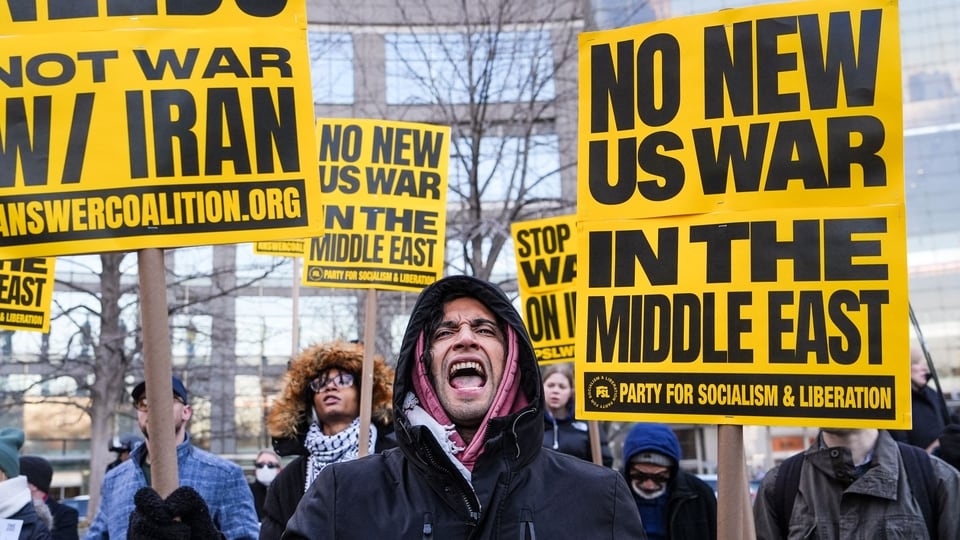
US President Donald Trump said Washington has “the capability to go far longer” than the initially projected four-to-five-week timeline for operations against Iran, signaling that the confrontation may not end quickly.
The remarks came as US and Israeli forces continued strikes following the killing of Iran’s Supreme Leader Ayatollah Ali Khamenei, while Iran and its regional allies launched retaliatory attacks targeting Israel and neighboring Gulf countries.
The scale of the exchanges, and the absence of a clearly articulated endgame from either side, have raised fears that the crisis could evolve into a prolonged and destabilizing regional war with far-reaching global consequences.
1. Netanyahu on war
Israeli Prime Minister Benjamin Netanyahu said that the US and Israel’s war against Iran may take some time but will not stretch on for years. Speaking on Fox News’ Hannity, Netanyahu said the conflict could be quick and decisive, but added that it is not going to be an endless war. He described the military campaign as a potential opportunity to reshape the Middle East and said he sees a possible path toward lasting peace in the region, including between Israel and Saudi Arabia.
2. US embassy in Riyadh attacked
The US embassy in the Saudi capital Riyadh came under attack by two drones as Iran intensified strikes against the kingdom as part of its retaliation against the US and Israel. Saudi Arabia’s Ministry of Defense said the incident caused a limited fire and minor material damage to the building. The US issued fresh shelter-in-place orders for Riyadh and Jeddah, while maintaining one for Dhahran. The State Department has also urged American citizens to leave several countries across the Middle East, including Saudi Arabia.
3. 100 people killed in Iran’s school
Iran said more than 100 people were killed after strikes hit a school in the southern town of Minab. Iranian authorities blamed the country’s enemies for the attack. However, neither the United States nor Israel has confirmed carrying out any such strike. Israel said it was not aware of a US or Israeli attack on a school in Iran, while Washington said it was looking into the reports.
4. Travellers stranded, but some flights resumed now
Travellers stranded by the widening war began departing the United Arab Emirates aboard a limited number of evacuation flights, even as most commercial air traffic across the Middle East remained suspended. Limited flights resumed out of Dubai and Abu Dhabi, but sweeping airspace closures and cancellations across the region continue to disrupt travel plans for thousands.
Also Read | Flight status today as UAE resumes ops: Check schedule in India, Dubai, Abu Dhabi, other airports
5. US has asked Americans to depart these countries
The US has urged Americans to immediately depart more than a dozen Middle Eastern countries, including the UAE, Jordan, Saudi Arabia, Egypt, Lebanon and Oman, citing serious safety risks. The advisory comes amid expanding missile and drone strikes across the region. The UAE condemned Iranian missile attacks as a dangerous escalation and announced the closure of its embassy in Tehran, withdrawing its ambassador and diplomatic staff.
6. Blast in Abu Dhabi, Dubai, Doha, Manama and Kuwait City
Fresh blasts were reportedly heard in Abu Dhabi, Dubai, Doha, Manama and Kuwait City as Iran continued its third day of retaliation against US-Israeli air raids. Loud explosions across multiple Gulf cities underscored the widening geographic footprint of the conflict.
7. UAE dials Kuwait
The UAE Ministry of Defence said the Crown Prince of Dubai, who also serves as Deputy Prime Minister and Minister of Defence, held phone calls with Kuwait’s Ministry of Defence to discuss regional developments. Both sides exchanged views on the evolving situation and affirmed the importance of continued coordination and security cooperation.
8. India’s stance
Prime Minister Narendra Modi described the escalating US-Iran-Israel conflict as a matter of grave concern for India. Speaking at a joint press conference with Canadian Prime Minister Mark Carney, Modi said India supports resolution of all conflicts through dialogue and diplomacy. He also spoke to Israeli Prime Minister Benjamin Netanyahu and pressed for an early cessation of hostilities, reiterating India’s consistent position in favour of peace and stability.
9. US on war
US Defense Secretary Pete Hegseth said the strikes would not spiral into an endless conflict, stating, “This is not Iraq. This is not endless.” However, he warned that more American casualties are likely in the weeks ahead. President Donald Trump defended the campaign, arguing that Iran’s rapidly expanding missile program posed a clear threat to US forces stationed overseas.
10. Wider regional escalation
The US and Israeli air campaign against Iran widened further, with Israel striking Lebanon in response to attacks by Hezbollah. Iran continued targeting Gulf states that host US military bases, raising fears that the confrontation could develop into a broader regional war with no immediate end in sight.