
 E-Paper



A 1,155-feet tall Sri Lankan tower and its China connection: Explained
Sri Lanka's Lotus Tower: The controversial tower has become a potent symbol of the ousted Rajapaksa clan's closeness to Beijing.

 Prefer HTon Google


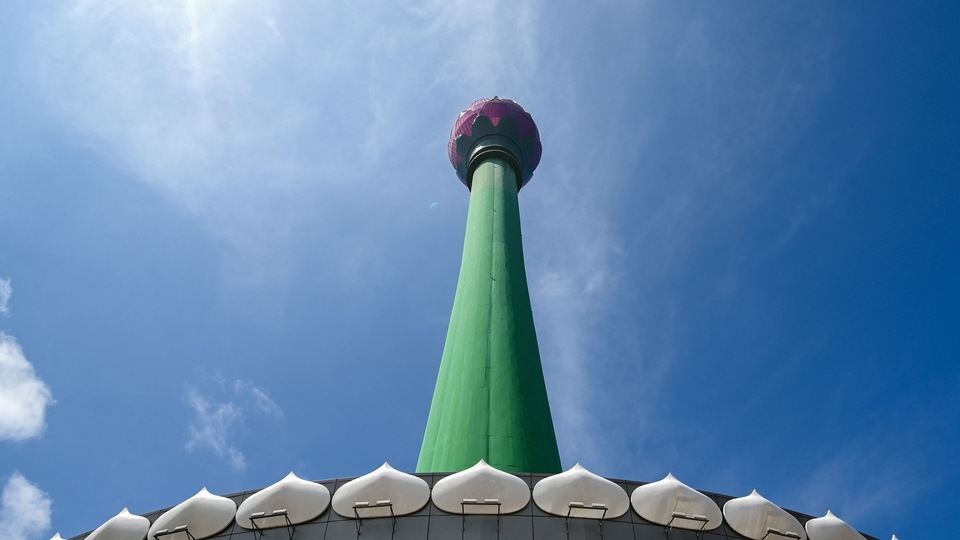
The 350-metre (1,155-feet) Lotus Tower, green and purple in colour, visible from all over Sri Lanka's capital Colombo and built for an estimated $113 million will open this week. The controversial tower has become a potent symbol of the ousted Rajapaksa clan's closeness to Beijing as the tower is one of the several “white elephant” projects built with Chinese loans under former Sri Lanka president Gotabaya Rajapaksa who was ousted from office in July following months of protests over the island country's severe economic crisis.
Read more: On UN Afghan women report, Taliban's clarification. Then, vehement rejection
Why the controversy over the Lotus Tower
The tower construction has been plagued by corruption claims since Sri Lanka's Mahinda Rajapaksa government began building the structure in 2012. Mahinda Rajapaksa borrowed heavily from China for infrastructure projects which failed including the Lotus tower which the state-owned Colombo Lotus Tower Management Company has decided to open in order to minimize losses. "We can't keep this closed. The maintenance costs are huge," chief executive Prasad Samarasinghe told AFP.
Read more: On Harry, Meghan Markle, Oprah Winfrey's about-face from 2019 tell-all interview
“We want to earn the upkeep of the building and turn this into an entertainment centre,” he added.
How is the opening of the Lotus Tower being perceived in Sri Lanka
Local media criticized the structure as the communication tower cannot cover nor improve current transmissions in Sri Lanka. Calling it a "towering story of pride and waste," and a vanity project of Rajapaksa, Sri Lankan media claimed that Rajapaksa wanted to make a copy of Beijing's 405-metre Central Radio and TV tower but failed miserably.
Read more: Queen Elizabeth II's coffin was made over 3 decades ago. Here's how it is unique
Lotus Tower's China connection
Sri Lanka's current economic crisis which led to widespread protests in the country this year has been partly blamed on Chinese debt. Borrowings from Beijing account for over 10 per cent of Sri Lanka's $51 billion in external borrowings that the country declared it would default on in April.


