
 E-Paper



Balochistan movement in Pakistan a symbol of freedom, says Himanta Biswa Sarma
The Assam chief minister said that Balochistan was "forcibly annexed" by Pakistan in March 1948 despite initial negotiations for autonomy.

 Prefer HTon Google


Assam chief minister Himanta Biswa Sarma said on Sunday that the Balochistan movement in Pakistan is a symbol of native people's aspiration for freedom.
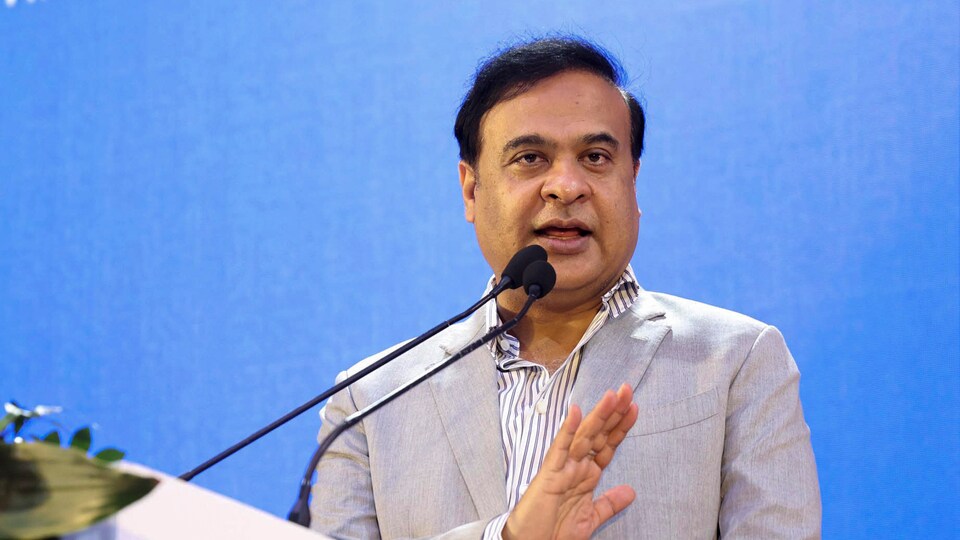
In a post on X, Sarma noted that the Balochistan freedom movement traces its roots to the events of 1947-48, when the princely state of Kalat, representing what is today's Balochistan, sought to maintain its sovereignty after the end of British colonial rule.
"Today, the Balochistan movement stands as a symbol of an indigenous people’s enduring aspiration for dignity, rights, and control over their own destiny — a struggle marked by immense sacrifice, resilience, and an unbroken spirit for freedom," Sarma added.
He said that despite initial negotiations for autonomy, Balochistan was "forcibly annexed" by Pakistan in March 1948, invoking deep resentment among the native people of the region.
ALSO READ | The Free Balochistan Movement's vision
He said that over the decades, feelings of political disenfranchisement, economic marginalisation, and cultural suppression have repeatedly fueled rebellion, especially in 1958, 1962, 1973, and the early 2000s.
Despite inhabiting a province rich in natural resources, the Assam CM said, the Baloch people "have long struggled with underdevelopment and allegations of systematic exploitation by the central government".
Recalling the 2006 murder of "respected tribal leader" Nawab Akbar Bugti, Sarma said that it marked a "particularly painful chapter, reigniting demands for self-determination and justice".
Earlier this month, former Pakistan prime minister Nawaz Sharif called for a "political solution" for the troubled province of Balochistan.
“I will visit Balochistan to meet the angry people there. The issue of Balochistan is political and must be resolved through political means,” he said, adding that he takes an interest in finding a solution to the problems of the region.
with PTI inputs


