
 E-Paper


Bangladesh scraps quota system in government jobs amid mounting protests
Prime Minister Hasina has suggested abolishing the quota system for government jobs altogether

 Prefer HTon Google


Bangladesh Prime Minister Sheikh Hasina on Tuesday said she has decided to scrap the quota system in government services after thousands of students marched across the country in protest against a controversial policy of setting aside jobs for special groups.
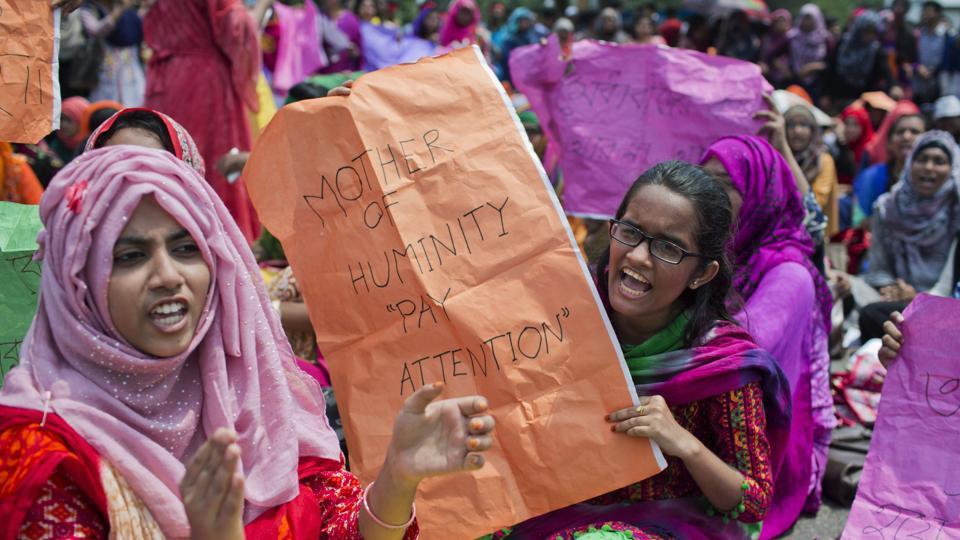
In Dhaka, mobs of students blockaded major roads, bringing traffic to a standstill. Police were deployed to the Dhaka University where clashes in recent days left more than 100 students injured by tear gas and rubber bullets.
Prime Minister Hasina has suggested abolishing the quota system for government jobs altogether.
“The quota system will be abolished as the students do not want it,” she said in a statement in parliament.
An apparently annoyed premier added that, “they have demonstrated enough protests, now let them return home”.
She said classes and examinations were suspended at all universities while the protests exposed ordinary people to worst sufferings which “they don’t deserve”.
The premier, however, said the government could make special arrangements for jobs for the people with disabilities and the backward ethnic minority ones.
The students began the protests on Sunday against discriminatory quotas for government jobs, leaving scores of people injured at the Dhaka University.
A group of protestors broke into the vice-chancellor’s campus residence, forcing his panicked family to go into hiding.
The premier, however, said those who attacked the vice-chancellor’s house were not “eligible to be students” and promised to punish the guilty.
Media reports suggested the protests saw several government websites including those of the Bangabhaban presidential palace and the premier’s office temporarily hacked.
The pages were replaced with a page that showed messages related to the quota reform along with a picture of the ongoing protest.
The protectors grew in numbers today with chanting mobs of students’ blocking major roads turning buses and private cars to a standstill throughout the day in Dhaka while police in riot gears kept a vigil from distance.
Thousands of people were seen walking down miles, leaving the buses and cars in the capital.
The students in the southeastern port city of Chittagong blocked a railway track while they also caused disruptions in the major cities of Khulna, Barisal, Kushtia, Comilla and Mymensingh demanding the share of top government positions set aside for minority groups and the disabled be reduced significantly.
According to police, more than 5,000 protesters rallied at the Dhaka University campus alone while the private universities joined the public ones across the country to mount pressure on the government to abolish the system, meant for freedom fighters decedents, ethnic minority groups and women.
But the protests also drew a number of girl students demanding they be made eligible to compete for the public services on merit basis.
“They (girls) said that they will get job through (appearing) examinations . . . it’s a good word and I’m very happy . . . as they don’t want quota, what is the necessity of it,” Hasina said.
The protests continued despite earlier government pledges to review the quota system as a section of students rejected the proposal demanding an instant government announcement.


