
 E-Paper



Blair or Bliar? Iraq war report to focus on ‘dodgy dossier’
Former premier Tony Blair is likely to face calls for impeachment following the publication on Wednesday of the Chilcot inquiry report into the circumstances leading to Britain’s involvement in the 2003 Iraq war, which is expected to damage the reputation of many leading lights.


Former premier Tony Blair is likely to face calls for impeachment following the publication on Wednesday of the Chilcot inquiry report into the circumstances leading to Britain’s involvement in the 2003 Iraq war, which is expected to damage the reputation of many leading lights.
Pilloried for taking Britain into the war on the basis of a “dodgy dossier” that claimed the existence of weapons of mass destruction in Saddam Hussain’s Iraq, Blair has often been called a “war criminal” and “Bliar”. However, he has consistently defended his decision.
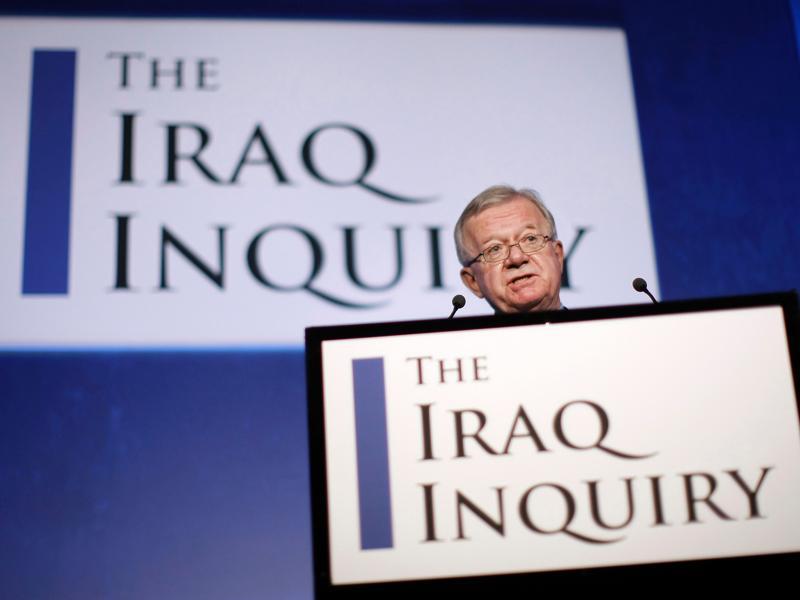
Announced by former prime minister Gordon Brown in June 2009, the inquiry headed by John Chilcot cost millions of pounds and examined thousands of people over seven years. The 12-volume report keenly awaited by family members of British soldiers who died in the war, and by others, is reported to be 2.6 million words long.
Some Labour leaders believe the current turmoil in the party is intended to prevent leader Jeremy Corbyn from seeking Blair’s impeachment after the report’s publication. Corbyn has been facing growing calls to resign, including from most of his parliamentary party.
According to Scottish National Party leader Alex Salmond, “By many indications there is going to be a damning indictment of Tony Blair and his warmongering. Most of the people that are currently gunning for Corbyn were among Blair’s keenest supporters.
“So I’m wondering whether this is a pre-emptive strike about the Chilcot report because obviously Corbyn has indicated he supports Tony Blair being held to account, as he should be. So I think there’s a bit more to this than meets the eye. Never seen anything quite like it in a parliamentary party.”
Blair, who was prime minister from 1997 to 2007, has insisted the decision to join the Iraq war along with the US was the right one, since the risks of not acting at the time were greater. The world is safer without Saddam Hussein, he has said.
Jamie Gaskarth, a politics expert at the University of Birmingham, told Hindustan Times: “You can’t impeach a leader for bad judgment - but that is where Tony Blair made his mistakes and the basis on which he should be held accountable.
“Instead of seeing the Blair government as criminal or nefarious, they should be criticised for being negligent. Assumptions were not revisited as new evidence emerged, the occupation of Iraq was conducted with weak political and military will and was dangerously under-resourced, and lessons were not learned before troops were committed to Afghanistan.”
He added, “It is Blair’s incompetence that should be criticised, not the legality or morality of his actions.”
The inquiry was mandated to “consider the period from the summer of 2001 to the end of July 2009, embracing the run-up to the conflict in Iraq, the military action and its aftermath”.
Chilcot said at the inquiry’s launch: “We will therefore be considering the UK's involvement in Iraq, including the way decisions were made and actions taken, to establish, as accurately as possible, what happened and to identify the lessons that can be learned.”


