
 E-Paper



Canadian think-tank defends report linking Pakistan to Khalistani separatists
Pro-Khalistan elements in Canada have held protests against the report titled Khalistan: A Project of Pakistan, written by veteran Canadian broadcaster Terry Milewski. The MacDonald-Laurier Institute (MLI) was criticised in an open letter written by over 50 Sikh scholars.


A Canadian think-tank that recently published an explosive report, which argued that the Khalistan separatist movement is a project of Pakistan, has said it stood by the author and his findings despite a sustained campaign against both.
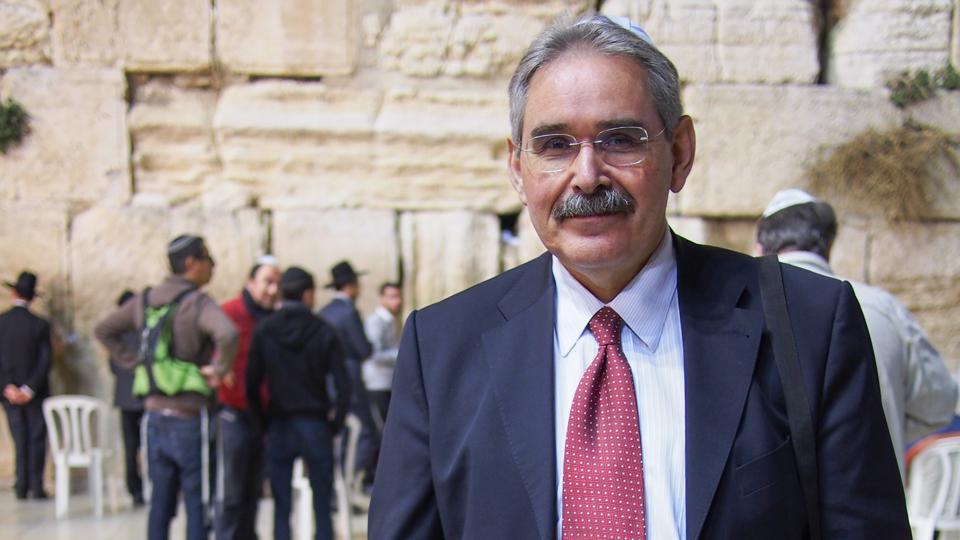
Pro-Khalistan elements in Canada have held protests against the report titled Khalistan: A Project of Pakistan, written by veteran Canadian broadcaster Terry Milewski. The MacDonald-Laurier Institute (MLI) was criticised in an open letter written by over 50 Sikh scholars, as well as by the World Sikh Organisation (WSO).
“We reject attempts to bully the Institute or its authors into silence,” the Ottawa-based think tank said in a statement.
The letter sent by the Sikh scholars had said, “We hope that you carefully consider our concerns and re-evaluate your decision to publish such vitriolic content under your institute’s name, particularly considering the lack of academic integrity and the gravity of the accusations being levelled against a highly visible, racialised community.”
MLI said it is simply false to argue that the report somehow criticises or marginalises the Sikh community or Sikh political activism.
“The paper in no way maligns or criticises Sikhs or Sikhism as a community or religion. It instead criticises pro-Khalistani extremism, detailing how such extremism is catalysed by Pakistan, and rightly rejected by the vast majority of Sikhs.”
The WSO, in a statement, had said that the report released earlier this month was “poorly researched”, made “unfounded claims”, failed “to engage in a contextually based analysis”, made “no attempt to present a balanced analysis on the issue” and “uncritically” parroted “a narrative” that is “pushed by India with respect to Sikhs in Canada.”
This argument was also countered by MLI, saying the “report does not suggest or insinuate what the letter signatories and other critics have come to conclude without evidence, nor have the actual claims made in the report been refuted.”
In the report, Milewski had connected the WSO to the separatist Khalistan movement, citing its Constitution.
In an emailed response to the criticism, Milewski said, “it does not dispute the whole thesis of the article. It does not dispute the Pakistani role in the Khalistan movement, and it does not dispute that support in India is very weak, or even that the movement is fulfilling Pakistan’s purpose in bleeding India without doing anything to create a Sikh state.
“In that sense, it’s hard to see how I could ask for more. Still, I think the Khalistani reaction reveals a degree of desperation that I had not expected.”


