
 E-Paper



China rolls out childcare subsidy to boost birth rate after a recent drop
China has previously offered tax breaks and has been working to offer more affordable daycare services

 Prefer HTon Google


China announced that it will start handing out childcare subsidies across the nation, in its latest push to boost birthrates after a worrying drop in recent years.
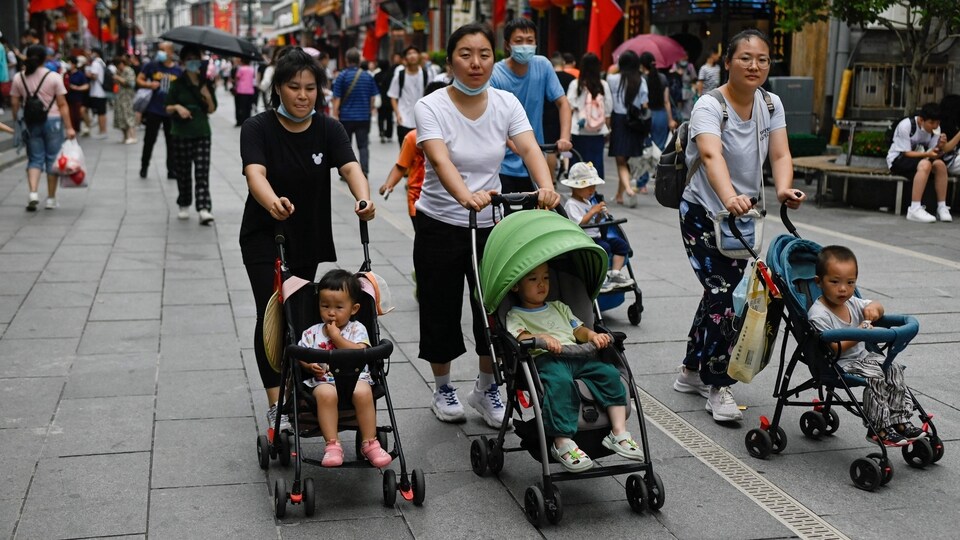
The government will spend 3,600 yuan ($502) a year per child under age three, according to the official Xinhua News Agency. The assistance, effective retrospectively from Jan. 1 this year and available regardless of the first-, second- or third-child, is meant as an incentive for young couples wary of rising costs of child-rearing.
The policy is expected to benefit more than 20 million families each year, Xinuha reported. China has previously offered tax breaks and has been working to offer more affordable daycare services, it said.
The latest measure follows China’s population shrinking for a third straight year in 2024. New births at 9.54 million last year was only half of the 18.8 million registered in 2016 when China lifted its one-child policy.
Diminishing birthrate is a worry for the world’s second-largest economy, where the working-age population has been declining in a threat to labor supply and productivity. The country, which lost its title as the most-populous nation to India in 2023, may see its population drop further to 1.3 billion by 2050 and below 800 million by 2100, according to the UN’s demographic modeling.
That outlook stems from the alarming drop in marriage rates. Last year, the country recorded the lowest marriage rate in almost half a century, down 20% from a year before. In a decade, marriages plummeted from 13.47 million couples in 2013 to 6.11 million in 2024.
Chinese are also marrying older, with the average age of first marriage rising from 24.9 in 2010 to 28.7 in 2020. In a country where most births occur within marriages, the declining marriage rate could mean a significant drop in births this year.
The childcare subsidies can be availed online or offline, Xinuha reported, adding that each province will determine the specific disbursement schedule based on local circumstances.
Regional Measures
Many cities have rolled out their own subsidies in recent years, especially aimed at encouraging couples to have more than one child. While there are no national surveys on families preference for having more children, a 2023 poll in Guangdong province found half of the people surveyed would like to have more than one child, and 6.5% wanted three.
Hohhot, the regional capital of Inner Mongolia, made national headlines in March for its generous subsidies of 50,000 yuan to couples who have a second child and 100,000 yuan for a third or more. Some cities also provide subsidies for buying homes.
Some of these incentives have paid off. In 2023, Tianmen in central China’s Hubei province started to offer couples with second child more than 90,000 yuan subsidy and even more for a third child — cash payments, childcare subsidies, and housing support. The city saw a 17% increase in births in 2024 compared to the previous year, according to the city’s officials.
So far, subsidies have been arbitrary and made available by lower-tier cities. At this year’s National People’s Congress, China said in its government reports that it will provide childcare subsidies and services and provide more assistance to pregnant women, without giving details. Several lawmakers and political advisers also proposed extending maternity leave, offering subsidies and building so-called “fertility-friendly society.”
--With assistance from Josh Xiao.


