
 E-Paper



Covid-19 and the $90tn question: How to get people to return to work?
The juggling act for policy makers will be to reopen without triggering a second wave of the deadly coronavirus infections.


Officials from Rome to Washington are mapping out plans to loosen lockdowns and reboot their economies. Trouble is, there’s no master plan.
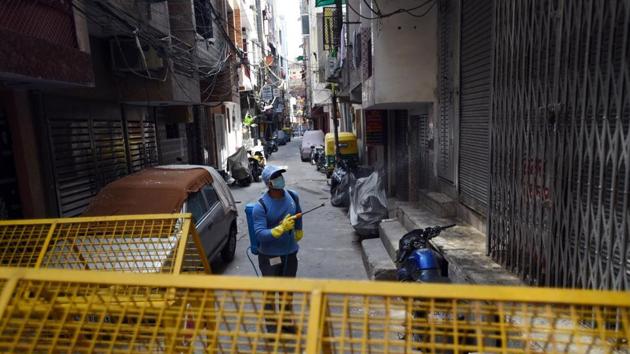
The juggling act for policy makers will be to reopen without triggering a second wave of infections. History serves as a warning. The 1918 Spanish Flu pandemic hit in three waves before finally being contained.
Wuhan, the original epicentre of the outbreak, provides a test case after China lifted its quarantine. Austria, Denmark and Norway are on course to open up.
Even Italy, which has the highest death toll from the disease, has been weighing its exit strategy after a moderating trend in infections. And in the US, Donald Trump is talking about getting people back to work.
As leaders prepare to tackle phase two of the pandemic - the gradual reopening of the world’s shattered economy - the stakes could scarcely be higher. With planes grounded, supply chains ruptured and factories idled, the $90 trillion global economy is enduring one of its worst shocks since the Great Depression.
Unfortunately, there’s no off-the-shelf plan for governments to decide when to rev up the economic engines.
“We have to reopen somehow. We can’t go in shutdown mode for 20 months,” said Michael Osterholm, director of the Center for Infectious Disease Research and Policy and professor at the University of Minnesota in Minneapolis. “If we shut down like Wuhan, we destroy society as we know it. If we allow the virus to run willy nilly, we will destroy our health-care system and the economy with it.”


