
 E-Paper



Debt ceiling dilemma enters 11th hour phase as deadline of June 1 approaches. All you need to know about looming crisis
Negotiations should have started earlier, and the recent hiccups in talks have cost valuable days

 Prefer HTon Google


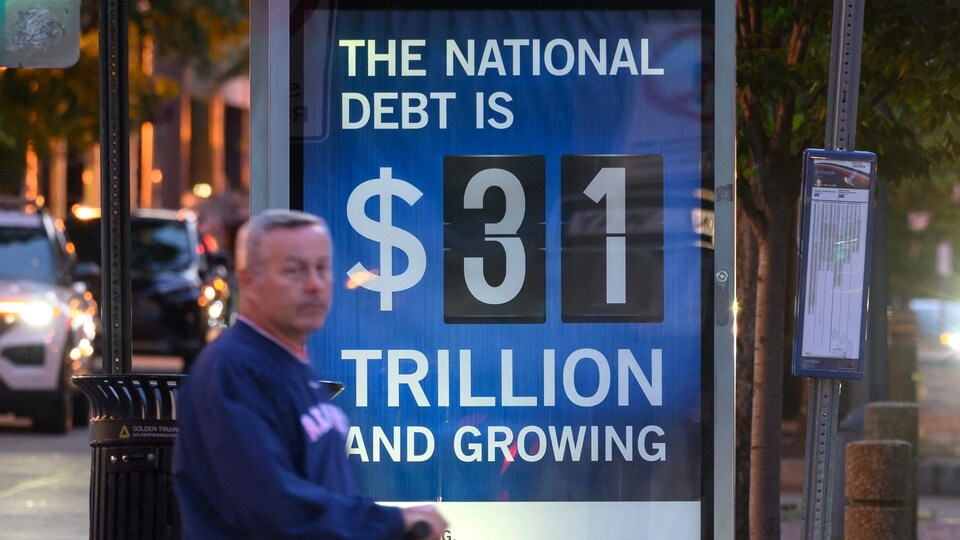
With the debt ceiling deadline looming, the United States finds itself on the edge of a fiscal cliff. Treasury Secretary Janet Yellen has warned that without action from Congress, the government may struggle to pay its bills beyond June 15. The urgency is real, and time is running out.
A Crisis in Motion
As talks continue, some lawmakers believe that the government is careening towards the debt limit with no way to avert a crisis. Despite the gravity of the situation, finding a resolution remains elusive. The question now is how President Biden and House Speaker Kevin McCarthy can bridge this divide before it's too late.
A Race Against Time
Negotiations should have started earlier, and the recent hiccups in talks have cost valuable days. Even if a deal is reached by Tuesday, the process of drafting the legislation, adhering to the "72 hour rule," and allowing for proper debate and voting in both the House and Senate could push the timeline dangerously close to the June 1 deadline. The path to resolution is fraught with challenges.
The Delicate Balance of Votes
Passing a debt ceiling bill requires delicate political maneuvering. House Republicans aim to secure "a majority of the majority" in support of any package. However, differing opinions within the party and the potential influence of conservative Republicans who favor replicating the previous debt ceiling bill create a complex equation. House Minority Leader Hakeem Jeffries must also navigate the demands of his Democratic colleagues, who urge President Biden to invoke the 14th Amendment to resolve the issue.
The McCarthy Conundrum
House Speaker Kevin McCarthy faces a delicate balancing act. Accepting a deal that may jeopardize his own political career or finding a way to secure a win for everyone involved poses a significant challenge. The passage of the House's debt ceiling bill becomes both a strength and potential constraint in negotiations, further complicating McCarthy's position.
The Mathematics of Compromise
The heart of the matter lies in the vote count. How many Republicans remain unwavering in their support of the House GOP's April debt ceiling bill, and how many can accept a less stringent solution? The answer to this question will shape the course of the debate in the days ahead.
The Time Ticking Away
While the expectation is for lawmakers to stay in Washington until a solution is found, the reality is that many are scheduled for a recess next week. Keeping everyone in the capital could aid in vote counting and negotiations, but it risks disgruntlement and dissent among members. Balancing the need for resolution with lawmakers' personal commitments adds another layer of complexity to an already challenging situation.
Trouble on the Horizon
As the debt ceiling deadline of June 1 approaches, the absence of a viable solution becomes increasingly concerning. The nation stands at the precipice, and the stakes could not be higher. The next few days will be critical in determining whether the U.S. can navigate its way out of this fiscal quagmire.


