
 E-Paper



Why are Republicans and Democrats fighting over the US debt ceiling, and what could happen if they don't reach a deal?
US President Biden is in a high-stakes standoff over the country's debt ceiling, with the Treasury warning of a catastrophic default as early as June 1.

 Prefer HTon Google


The US President, Joe Biden, is currently engaged in a high-stakes standoff with top Republicans and Democrats from Congress over the country's debt ceiling. With the deadline approaching fast, the Treasury Department has warned that a default could occur as soon as June 1, which could have catastrophic consequences for the US economy, including soaring unemployment rates and a deep recession.
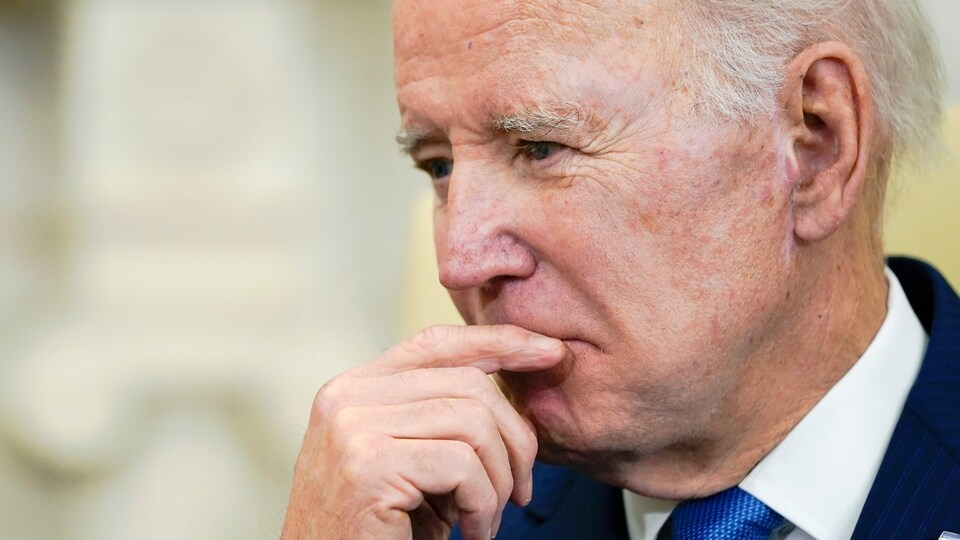
The debt-ceiling standoff is not a new phenomenon in the US, but the stakes are much higher this time around. The last time the country faced such a crisis was in 2011, and although Congress eventually averted default, the economy suffered significant shocks. The current standoff is further complicated by the divided government, with Democrats controlling the Senate and Republicans holding a thin House of Representatives majority.
The Republicans are pushing for spending cuts to address the growing budget deficit, while Biden is urging lawmakers to raise the federal government's borrowing limit without conditions. The Democrats have proposed a budget plan that includes cutting deficits by $3 trillion over the next decade by raising taxes on high-earning individuals and corporations. However, Republicans have refused to support the plan unless it includes significant spending cuts.
Also Read | US on the brink of financial crisis? Treasury warns of total cash crunch as early as June 1
Despite the uncertainty surrounding the deadline, there are potential compromises on the table. Analysts suggest that extending the debt ceiling past the 2024 presidential elections while freezing spending could be a possible solution. Starting talks could also help calm the nerves of investors, who are already concerned about the impact of a potential default on the financial markets.
For average Americans, a default could have far-reaching consequences, including declines in retirement savings and increases in interest rates that could affect monthly payments for cars or houses. The most vulnerable members of society, including low- and middle-income earners, would likely suffer the most.
Biden has insisted that raising the debt ceiling should not be linked to budget talks and should be treated separately. However, Republicans are demanding significant spending cuts before agreeing to raise the borrowing limit. The President is due to meet with top Republicans and Democrats from Congress, including Senate Majority Leader Chuck Schumer, Senate Republican Mitch McConnell, and House Democrat Hakeem Jeffries, to discuss the issue further. Although analysts do not expect an immediate deal to be reached, starting talks could be a step in the right direction toward avoiding a historic default.


