
 E-Paper



After ‘massive reserves’ oil trade deal, Donald Trump slaps 19% tariffs on Pakistan
US President Trump imposed a 19% tariffs on Pakistani goods following a trade deal focused on energy partnership.

 Prefer HTon Google


A day after announcing a "landmark energy partnership" with Pakistan, US President Donald Trump imposed a 19% tariff on Pakistani goods on Friday. The move comes as part of the expansion plan of Trump's sweeping "Liberation Day" tariff, announced via an executive order on Thursday.
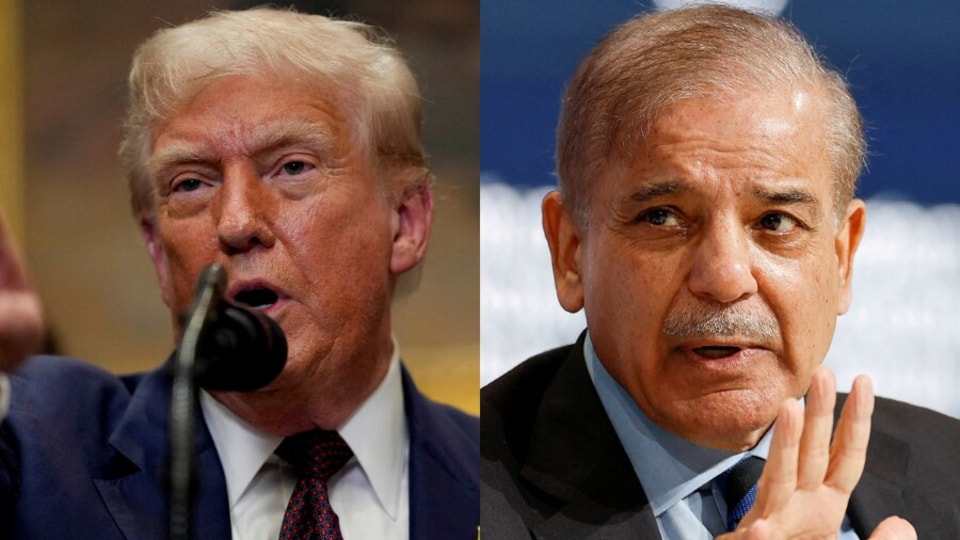
The updated tariffs, which cover dozens of countries, are scheduled to take effect in seven days, on August 7, at 12:01am Washington time.
Also Read | Top Trump adviser to visit India for IMEC meeting
While Pakistan had previously been subject to a steep 29% duty, the final list released Thursday shows the South Asian nation's tariff rate lowered to 19% after striking a last-minute trade deal with Washington.
US-Pakistan energy trade deal
On Tuesday, Trump touted a preliminary deal with Pakistan focused on the joint development of what he called the country's "massive oil reserves."
He shared the news on his platform, Truth Social, calling the agreement "a significant beginning" to what he envisioned as a long-term US-Pakistan energy partnership.
It is not immediately clear what massive oil reserves Trump was referring to in Pakistan. Trump also made no mention of tariffs in his announcement.
While details remain scarce, Trump said both countries would cooperate to tap unexplored reserves and floated the idea of Pakistan eventually exporting oil to India.
Also Read | India's state refiners halt Russian oil purchases: Report
"We are in the process of choosing the oil company that will lead this partnership," Trump added, without naming any specific firms or timelines.
As part of the deal, Pakistan agreed to import US crude oil, marking a major shift in its long-standing dependence on Middle Eastern energy suppliers.
Pakistan's largest refiner, Cnergyico, will import 1 million barrels of oil from American West Texas Intermediate (WTI) crude from global commodity trader Vitol in October, its vice chairman, Usama Qureshi, told Reuters on Friday.
US new tariffs
The White House on Thursday released adjusted reciprocal tariff rates covering imports from a range of trading partners, a move intended to narrow trade deficits and raise revenues.
The minimum tariff rate for imports from most countries not listed below was set at 10%.
Also Read | Trump tariffs: Who’s hit the hardest? Top 10 countries impacted by US duties
Some of those were expected, such as a 25% levy on Indian exports that Trump announced this week on social media. Others included charges of 20% on Taiwanese products and 30% on South African goods. Thailand and Cambodia, two countries that were said to have struck a last-minute deal, received a 19% duty, matching rates imposed on regional neighbors including Indonesia and the Philippines. Vietnam's goods will be tariffed at 20%.
Goods determined to be transshipped to evade higher rates would be subject to additional levies. Some economies, including China, Canada and Mexico, are on different trade tracks and covered under different orders.


