
 E-Paper



Durham's Report on FBI's Russia-Trump probe. A witch hunt or a missed connection? | Key takeaways
Here are key takeaways from John Durham's report investigating connections between Donald Trump’s campaign and Russia during the 2016 election

 Prefer HTon Google


Special counsel John Durham has released his final report on the FBI's investigation into connections between Donald Trump's campaign and Russia during the 2016 election. The report, spanning over 300 pages, heavily criticizes the FBI and the Justice Department but does not recommend new charges or "wholesale changes" to how politically sensitive investigations are handled.
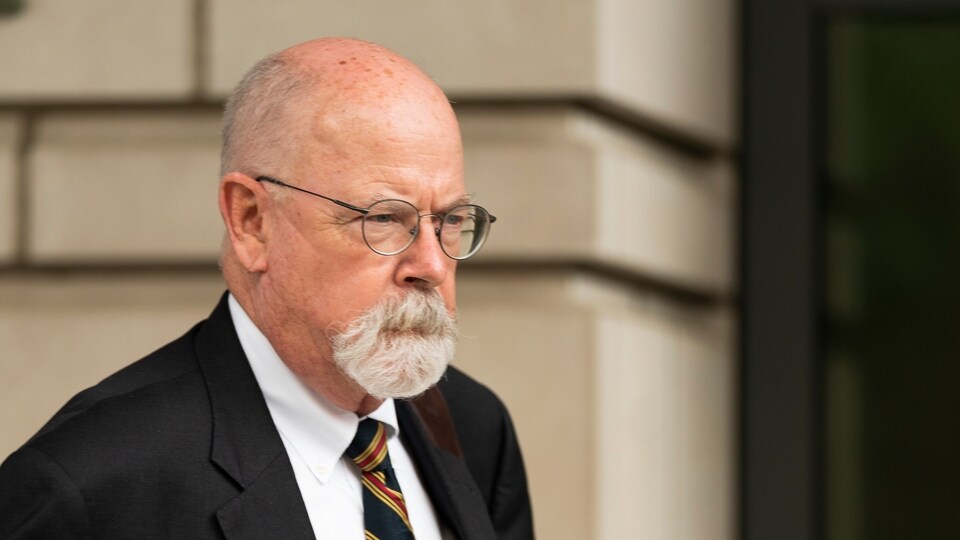
Despite not meeting the expectations of former President Trump and his allies, who anticipated it would expose the investigation as a political witch hunt, the report offers several significant takeaways.
1] Durham questions the FBI's rush to investigate Trump
The report highlights that the special counsel's office conducted over 480 interviews, reviewed more than one million documents, and issued 190 grand jury subpoenas. However, Durham raises concerns about the FBI's decision to launch a full investigation, criticizing the bureau for failing to uphold its commitment to strict fidelity to the law.
He suggests that while a preliminary investigation was justified, the FBI did not take necessary steps such as interviewing relevant witnesses or using standard analytical tools.
2] Lack of evidence of collusion before launching the probe
Durham concludes that federal investigators did not possess any "actual evidence of collusion" between Trump's campaign and Russia before initiating the years-long probe. This finding forms the core of his criticism against the FBI's decision to open a full investigation.
The report suggests that if the FBI had taken additional steps, such as reviewing its intelligence databases or employing standard analytical tools, it would have found no evidence linking Trump to Russian officials.
Read the full report here
3] Claims of FBI personnel bias
The report states that certain personnel involved in the investigation exhibited a predisposition to open an investigation into Trump. Durham specifically highlights former FBI Deputy Director Andrew McCabe and Peter Strzok, the former deputy director of the counter-intelligence division, who displayed hostility towards Trump.
However, it should be noted that a previous report by DOJ Inspector General Michael Horowitz concluded that Strzok and Lisa Page, an FBI attorney, did not act out of political bias in initiating the investigation.
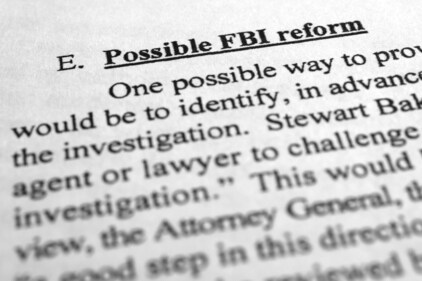
4] Different standards for Trump and Clinton
Durham's report suggests that the FBI used raw, unanalyzed, and uncorroborated intelligence to launch the "Crossfire Hurricane" investigation into Trump and Russia. In contrast, when concerns arose about alleged election interference related to Hillary Clinton's campaign, the FBI employed a different standard.
The report points out that the FBI never opened any inquiry or issued any taskings in response to the intelligence it received about a purported Clinton campaign plan.
What's next
Durham's report is likely to intensify the debate surrounding Russia, Trump, the FBI, and the 2016 presidential election. House Judiciary Chairman Jim Jordan has requested that Durham testify, indicating that Trump's Republican allies will seek to leverage the report for their political objectives. The impact of the report may be blunted due to Durham's prosecution record and the prior scrutiny of the episodes by the Justice Department's inspector general.
Trump himself has already used the report's release as an opportunity to claim vindication and reinforce his narrative of being a victim of a politically motivated investigation.
(With inputs from AP)


